Garage Door Cover: Install, Measure & Maintain
A practical, step-by-step guide to selecting, installing, and maintaining a garage door cover for protection and curb appeal. Learn measuring, mounting, safety tips, and troubleshooting with GarageDoorAdjust insights.


By the end of this guide, you'll be able to install a garage door cover that protects the door surface, improves insulation, and enhances curb appeal. You'll learn how to measure correctly, select a compatible cover, and secure it safely without damaging the door or hardware. Basic tools and safe practices are covered to keep you on track.
Understanding what a garage door cover is and why you might install one
A garage door cover is an exterior enhancement or protective layer that mounts to the outer face of a standard residential door. It can be decorative, insulating, weatherproofing, or a combination of these purposes. Covers can be rigid panels, vinyl wraps, aluminum skins, or composite sheets that attach to the door or frame. Homeowners install covers to reduce surface wear from weather, impact, and daily use; to refresh aging doors without replacing the entire assembly; or to improve energy efficiency in uninsulated garages. When properly installed, a cover can shield the door from UV sun damage, moisture, and salt spray in coastal climates. It also offers you the opportunity to change the look of the door without a full replacement.
From a maintenance perspective, a cover creates a sacrificial surface: minor scratches and dings tend to occur on the cover rather than on the door skin. This is especially helpful on garage doors with large flat panels that catch dirt and grime. However, not all doors are equally suited to covers. Tilt-up doors and some sectional models may require a specific mounting method to avoid interference with tracks, rollers, or weather seals. Always check compatibility with your door type, opener, and existing weatherstripping before purchasing. If in doubt, consult the manufacturer guidelines or ask a professional installer. The GarageDoorAdjust team notes that compatibility and proper fit are more important than the cover appearance alone. A poorly fitted cover can rub against moving parts, reduce insulation, or trap moisture, causing warping over time.
Materials and compatibility: choosing the right cover for your door
To select the right garage door cover, start by measuring your door width, height, and the profile of the surface. Use a robust tape measure, and take two measurements at the top, middle, and bottom, noting any bowing or curvature. Compare those measurements against the cover's listed size, plus the manufacturer guidelines for fit. Look for covers designed to be compatible with your specific door style (sectional vs tilt), and check how the cover attaches - some use external tracks, others rely on adhesive-backed skins or screw-mounted panels. Weather resistance matters: choose UV-stable materials with a rated service life appropriate for your climate. If you live in freeze-thaw regions, verify that the cover will not trap moisture against metal or wood components. Finally, consider aesthetics: color, texture, and any branding should complement the home front. If possible, request a sample or test-fit on a spare panel before committing. Proper fit minimizes air leaks and wind load on the door during storms, which can save energy and extend door life per GarageDoorAdjust analysis.
Before you buy, confirm that the cover does not obstruct safety sensors or the emergency release on the door opener. Some covers extend into space used by the hinge area or roll ers, so review the installation diagram carefully. If your door has insulation in the core, a cover that is too thick could create clearance issues. The best approach is to test fit and ensure you can operate the door smoothly with the cover installed. GarageDoorAdjust emphasizes that proper fit is crucial for performance and longevity.
Installation considerations: mounting surfaces, weather, and aesthetics
Mounting a garage door cover requires a clean, dry surface and secure anchoring. Start by inspecting the mounting area for loose trim, softened wood, or rusted hardware, and repair or replace as needed. Use a level to ensure the cover sits flush and centered; even a small tilt will create gaps that invite moisture and dirt. If you are mounting on a metal or concrete exterior, select fasteners designed for those substrates and pre-drill pilot holes to avoid cracking. Adhesive-backed skins must have a clean, dry surface, so wipe with alcohol and let dry before application. If the cover is a rigid panel system, ensure the screws engage solid backing and are not threaded into weak material. Weather sealing is essential: touch up gaps with the appropriate sealant or foam to keep drafts out and moisture away from hinges and rollers.
Aesthetics matter too. A cover should complement your home color palette and architectural style. Always dry-fit the components before final attachment so you can adjust alignment without leaving holes. Do not cover the door's weather seal at the bottom, since this would disrupt a proper seal and potentially cause moisture intrusion. If you live in a high-wind zone, secure the cover with additional fasteners or brackets per the manufacturer recommendations. Finally, ensure that any cables or wiring remain untwisted and free from pinch points. The GarageDoorAdjust guidance is clear: take your time with alignment to prevent misfit that could compromise function.
Maintenance and troubleshooting: keeping your cover in top condition
Maintaining a garage door cover is straightforward with a simple routine. Inspect the cover monthly for cracks, fading, or warping, and wipe down surfaces with a mild detergent and water. Avoid harsh solvents that could degrade plastics or coatings. Tighten mounting screws if you notice looseness from wind or vibration, and recheck alignment after heavy storms or seasonal changes. If you see condensation between layers, remove the cover and dry the surface before reinstalling—moisture trapped under a skin can promote mold and material degradation. For vinyl or PVC skins, apply a UV-protectant spray every six to twelve months to prolong color and reduce cracking. If the cover is damaged beyond a light repair, replace the affected panel rather than attempting a patch that could fail later.
Troubleshooting common issues:
- Loose fit: re-check the mounting hardware and confirm you used the correct screw length.
- Warping: heavy vinyl under heat or long sun exposure may warp; replace rather than bend back into shape.
- Interference with sensors: ensure the cover does not block the photo-eye or safety edge.
- Peeling or delamination: replace with a manufacturer-approved skin or panel. The goal is consistent protection without compromising door operation or safety.
Safety, warranty, and long-term care
Always follow the manufacturer’s installation instructions and wear eye protection during drilling or cutting. If your home is under a building or HOA guideline, verify that a garage door cover complies with local rules before purchase. A well-installed cover should not affect opener timing, sensor alignment, or track movement; if you notice any difference, re-check the mounting depth and clearance. Many manufacturers offer limited warranties on covers that are installed by a licensed professional; DIY installation could void parts of the warranty if the product is damaged or installed incorrectly. Keep receipts and record model numbers for future service. Regular cleaning and upkeep will extend the life of the cover and protect your investment in an updated exterior look.
Discuss your plan with a professional if you are unsure about structural integrity, or if your door has a unique track or sensor configuration. The GarageDoorAdjust team finds that homeowners who invest in proper measurements and mounting methods report better results and fewer follow-up problems. When in doubt, contact the manufacturer or a qualified installer to confirm compatibility with your particular door and opener.
Common mistakes and quick fixes
Even experienced DIYers can trip over the same issues. The most frequent mistakes include choosing a cover that is too large or too thick for the door, failing to account for bottom weather seals, and not leaving space for the door to move. Quick fixes: reposition the cover to ensure it is centered, trim excess with the manufacturer’s recommended tools, and reseat with new fasteners if screws become loose. If you discover that the cover interferes with the door senses, temporarily remove it and test the door safety features; if the door opens unexpectedly, stop and revert to a prior setup. Finally, store extra screws and mounting brackets in a labeled container to avoid mix-ups. The right approach minimizes maintenance and extends the life of both the cover and your door system.
Tools & Materials
- Tape measure(Minimum 6-8 ft for full-door wide measurement; measure width at three points)
- Level(To ensure flush fit and proper alignment)
- Cordless drill(With appropriate bit set for screws and anchors)
- Screwdriver set(Phillips and flat head for various fasteners)
- Ladder(Stable, tall enough to reach the top of the door)
- Safety glasses(Eye protection during drilling or cutting)
- Weather-resistant screws/anchors(Stainless steel or galvanised for exterior use)
- Utility knife(For trimming skins or excess material (where allowed by the kit))
Steps
Estimated time: 60-90 minutes
- 1
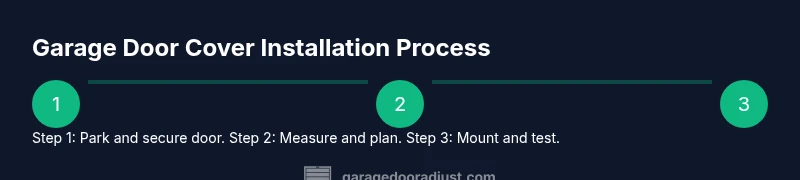
Park and secure the door
Close the garage door and disconnect the opener to prevent movement during installation. Confirm that the door cannot be raised by the opener, and chock the wheels if necessary for stability.
Tip: Have a helper hold the cover steady while you verify the door is fully closed. - 2
Measure and confirm fit
Measure the door width at three points and note any curvature. Compare measurements with the cover size and the manufacturer fit guidelines to confirm compatibility before cutting or mounting.
Tip: Double-check measurements in both inches and millimeters if the kit uses metric specs. - 3
Gather mounting hardware and plan method
Lay out screws, anchors, brackets, and any adhesive skins on a soft surface. Decide whether you will mount externally with brackets or apply a skin that adheres to the door face. Ensure the chosen method does not interfere with tracks or sensors.
Tip: Pre-organize hardware by type and length to speed up installation. - 4
Position the cover for center alignment
Hold the cover over the door and align the centerlines with the door edges. Use a level to confirm the top edge is perfectly horizontal and that the cover sits evenly from left to right.
Tip: Mark reference points on the door with painter's tape to maintain alignment during mounting. - 5
Mount the cover with appropriate fasteners
Drill pilot holes if required and drive screws or fasteners per the manufacturer. Avoid over-tightening which can distort material or strip anchors.
Tip: Start with mid-point screws first to lock in alignment before finishing corners. - 6
Reconnect power, test, and adjust
Reconnect the opener and test door operation with the cover in place. Check for rubbing, sensor obstruction, or abnormal noise. Make small adjustments as needed.
Tip: Test safety features by triggering the door from a short distance to ensure no interference. - 7
Finalize and clean up
Trim any excess material if the kit allows. Wipe surfaces, store extra hardware, and record model numbers for warranty or future replacements.
Tip: Keep a photo log of the installation for future reference and warranty claims.
Got Questions?
Will a garage door cover fit all door types?
Most covers are designed for common residential doors, but always check compatibility with your door style and track configuration before buying. Some non-standard doors may require a custom kit or professional installation.
Most covers fit standard doors, but check compatibility with your door style before buying.
Does installing a cover affect the door opener or sensors?
If installed correctly, a cover should not affect opener timing or safety sensors. Ensure sensors and emergency release remain unobstructed and that there is no contact with moving parts.
When installed correctly, it should not affect the opener or sensors; keep sensors clear.
Can I install a cover myself or should I hire a pro?
DIY installation is feasible for many homeowners with basic tools. If your door has complex tracks, unusual hardware, or uncertain clearance, consider a professional installer to avoid damage or warranty issues.
DIY is possible for many; hire a pro if your door is complex or you are unsure.
How should I maintain a garage door cover?
Regular cleaning with mild soap and water, periodic tightening of mounting screws, and inspection for warping or fading extend the life of the cover. Avoid harsh solvents that can degrade coatings.
Clean regularly and tighten screws; check for wear and fade.
What is the expected cost range?
Costs vary by material and size. Look for affordable vinyl skins or mid-range panels for a balanced option. Higher-end solid panels or custom kits will cost more.
Costs vary by material and size from lightweight to premium kits.
How long does installation take?
DIY installation typically takes about one hour to a couple of hours depending on door type and kit complexity. Allow extra time for measuring and alignment.
Most installations take about 1 to 2 hours.
Watch Video
Quick Summary
- Measure carefully to ensure a clean fit.
- Mount hardware securely with appropriate anchors.
- Do not obstruct safety sensors or tracks.
- Test the door after installation and adjust as needed.