Garage Door and Automation: Step-by-Step Troubleshooting and Maintenance
Learn to diagnose and fix common garage door and automation issues with safe, practical steps. This guide covers sensors, tracks, opener programming, lubrication, and when to call a pro for repairs.


Goal: Safely troubleshoot and repair your garage door and automation system, from opener programming to sensor alignment. This step-by-step guide covers common issues, essential safety checks, and practical fixes you can perform before calling a pro. According to GarageDoorAdjust, starting with track alignment and lubrication reduces failures and extends opener life.
Why diagnosing garage door and automation matters
A garage door and automation system is a combination of mechanical parts, sensors, and smart controls. When one piece fails, the entire system can stall or behave unpredictably, leaving you stuck or compromising safety. A methodical diagnostic approach, taught by GarageDoorAdjust Team, helps you distinguish between a simple lubrication issue and a misaligned sensor or faulty opener setting. By building a routine for inspection and maintenance, you reduce downtime, prevent costly repairs, and extend the life of the door and opener. In this guide, you will learn how to identify symptoms, verify the root cause, and implement fixes that are safe for homeowners while maintaining door balance and sensor safety. The keyword garage door and automation will surface frequently as you follow the steps and checklists, ensuring you address both the mechanical and digital aspects of the system.
Understanding the core components of a garage door system
The essential components of a garage door and automation setup include the door itself, tracks and rollers, springs or balance system, the operator (opener), safety sensors, and the control interface (remotes, keypad, or app). Each element has a role: the door provides the physical barrier; tracks guide motion; springs balance weight; the opener supplies power and control; sensors ensure safe operation to prevent pinch injuries; and the control interface enables convenient operation. When troubleshooting, start by evaluating each component for wear, misalignment, or damage. For homeowners, common issues include off-track doors, dirty or misaligned safety sensors, worn rollers, and outdated programming. Regular maintenance—such as cleaning sensor eyes, lubricating moving parts, and confirming that the opener is correctly adjusted—can prevent many faults. The GarageDoorAdjust team emphasizes that understanding how these parts interact helps you pinpoint problems faster and choose the right fix without guessing.
Safety fundamentals before you begin
Safety should come first when working with garage door systems. Always disconnect power to the opener before touching any moving parts. Keep hands, clothing, and tools clear of tracks and hinges, and never stand under a door while testing manual operation. If you notice frayed cables, corroded hardware, or a door that feels heavier on one side, stop and plan to call a professional. This section lays the groundwork for safer DIY work and reduces the risk of injury. Remember that many components, such as springs and torsion systems, can be dangerous to adjust without proper training. If you feel unsure at any point, move to the next safe step and seek professional help.
Common failure modes and quick fixes
Door not opening or reversing properly? Start with the safety reversal sensor. Clean the sensor eyes with a soft cloth, verify there is no obstruction, and realign them so they face each other directly. If the door travels inconsistently or stalls partway, check the tracks for dents, obstructions, or loose bolts. Tighten mounting screws and ensure tracks are plumb with a level. Lubricate the rollers and hinges with a silicone-based lubricant to reduce friction, but avoid oil-based products that can attract dust. If the opener beeps or the remotes refuse to operate, re-pair the remote and inspect the control panel for stuck buttons. These quick fixes address the most frequent culprits and buy you time before professional repair if needed.
Step-by-step diagnosis overview
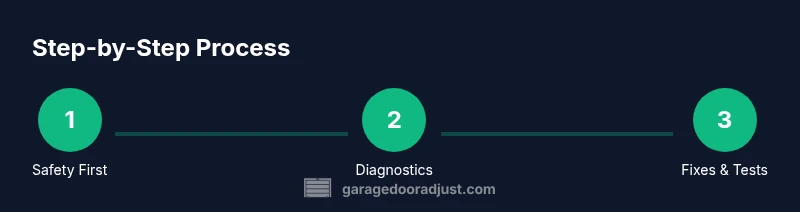
Diagnosing a garage door and automation issue requires a repeatable method. Start with power and safety checks, then visually inspect mechanical parts, test movement manually, and finally verify sensor alignment and opener programming. In parallel, assess whether the door is balanced and whether the springs appear worn. Document each finding so you can communicate clearly with a technician if you decide to escalate. This section frames the approach you will apply throughout the step-by-step guide, ensuring you aren’t guessing but following evidence-based checks.
Maintenance and smart upgrades for longevity
Preventive maintenance is cheaper than repeated repairs. Schedule monthly quick checks and biannual deep cleanings: wipe tracks and sensors, test safety features, lubricate moving parts, and tighten hardware. Upgrading older remotes or adding a smart garage hub can improve reliability and integration with home automation platforms. When selecting upgrades, consider compatibility with your existing opener and door type. Energy efficiency considerations matter if your garage is heated or cooling, as well-insulated doors reduce heat transfer and improve comfort. GarageDoorAdjust recommends pairing durable hardware with a simple maintenance routine to keep the system dependable year-round.
DIY vs professional help: making the right call
Some tasks are well within a homeowner's skill set, such as cleaning sensors or reprogramming the opener. Others, like torsion-spring work or structural adjustments, carry serious injury risk and should be performed by trained technicians. If you encounter persistent misalignment, unusual noises, irregular travel, or a door that is not balanced, schedule a professional inspection. When selecting a pro, ask about licensing, warranty, and a written assessment with transparent pricing. A cautious, well-informed approach reduces downtime and ensures safety first.
Practical troubleshooting log and next steps
Keep a simple log of issues, dates, and fixes. Record sensor readings, travel distance, and remote pairing outcomes. If issues recur, compare notes from different visits and consider scheduling a maintenance plan that includes annual checkups and priority service windows. This approach helps you move from reactive repairs to proactive maintenance, supported by a clear record that you can share with technicians or online support resources. As you build experience, you will become faster at diagnosing common faults and choosing the appropriate course of action.
Tools & Materials
- Flat-head screwdriver(for interior screws on panel covers)
- Phillips screwdriver set(for hinges and motor cover screws)
- Adjustable wrench(for bolts on hinges and brackets)
- Level(to verify track plumb and door balance)
- Tape measure(for track spacing checks)
- Silicone-based lubricant(avoid oil or graphite on nylon parts)
- Cleaning cloths(for sensor eyes and tracks)
- Replacement batteries for remotes(check each remote’s type (AA/AAA))
- Step ladder(to reach the opener and tracks safely)
- Safety glasses(protect eyes during maintenance)
Steps
Estimated time: 1-2 hours
- 1
Power down and secure the area
Begin by turning off the garage door opener at the wall control and unplugging the unit if accessible. This prevents accidental movement while you inspect. Make sure pets and children are away from the working area.
Tip: Always verify power is off with a quick check of the opener’s motion when you’re ready to proceed. - 2
Do a visual inspection of the tracks and hardware
Look for dents, gaps, or loose bolts in the tracks, brackets, and rollers. Push the door manually halfway down; it should stay in place if balanced. Note any resistance or sticking points.
Tip: Use a level to ensure the tracks run true; misalignment can cause binding and uneven wear. - 3
Test door balance manually
Disconnect the opener from the door by pulling the release cord. Lift the door smoothly to chest height and release. The door should stay put; if it rises or falls, there is a balance issue typically related to springs or track alignment.
Tip: Do not test with the door fully open or fully closed; test in the middle to gauge balance safely. - 4
Check and adjust track alignment
If the door drifts or sticks, tighten mounting brackets and re-check the track plumb with a level. A slight misalignment can cause binding noise and uneven wear.
Tip: Only adjust bracket screws a little at a time and re-test after each small adjustment. - 5
Inspect safety sensors and clean eyes
Wipe sensor eyes with a soft cloth and verify they face each other with a clear line of sight. Misalignment or dirt can cause the opener to reverse unexpectedly or fail to detect an obstacle.
Tip: Place a spacer or tape as a temporary alignment aid if you must test after cleaning. - 6
Lubricate moving parts
Apply silicone-based lubricant to rollers, hinges, and track gaps where metal slides. Wipe away excess to prevent dust buildup and avoid getting lubricant on the belt or pulley.
Tip: Lubricate only moving metal parts; avoid plastic bushings that can attract dust. - 7
Test opener settings and re-pair remotes
Access the opener’s menu to verify travel limits and force settings. Re-pair any remotes or keypads if they fail to activate the door. Test after each change to confirm proper operation.
Tip: Keep the keypad and remotes within the set range and avoid exposing the device to moisture. - 8
Test safety reversing mechanism
With the door closed, place a piece of cardboard on the floor under the door and run the door in reverse. The door should reverse upon contact with the test object. If not, discontinue use and seek professional inspection.
Tip: Never bypass safety features; a working reverse mechanism is essential for household safety. - 9
Decide on next steps
If issues persist after these checks, note symptoms and consider scheduling a professional inspection. Prepare the documentation from your tests to share with the technician for faster diagnosis.
Tip: Keep a maintenance log and photograph any obvious wear or damage for reference.
Got Questions?
Why won't my garage door open even though the opener is powered?
There are several possibilities, including misaligned safety sensors, a tripped breaker, or a loose drive belt. Start with the safety sensors, then check the power source and the remote programming. If the problem persists, consult the service manual or a professional.
If your door won't open, check sensors first, then power and programming. If it still won't move, contact a technician for a safe inspection.
How do I reprogram my garage door opener remote?
Access the opener’s learn button, press it, and then press and hold the remote button until the light blinks. This pairs the remote with the opener. Repeat for any additional remotes.
Open the opener settings, press learn, then press the remote button until it blinks. Repeat for other remotes.
How often should I lubricate tracks and hinges?
Lubricate moving parts twice a year or after heavy use in extreme weather. Avoid lubricating nylon rollers or belts with oil-based products.
Lubricate twice a year and avoid oil on nylon parts. Wipe away excess.
Can I replace springs myself?
Spring replacement is hazardous and should be done by a qualified technician. Incorrect tension can cause the door to fail catastrophically.
Spring work is dangerous; hire a pro for safety and correct tension.
What safety features should a garage door have?
A garage door should have an auto-reverse mechanism and photoelectric safety sensors. Regular testing ensures these features work correctly and reduce injury risk.
Make sure the auto-reverse and sensors work and test them regularly.
Watch Video
Quick Summary
- Start with a safety-first diagnostic routine
- Balance and sensor alignment are common failure points
- Lubrication reduces friction and extends life
- Know when to call a professional for springs or structural issues