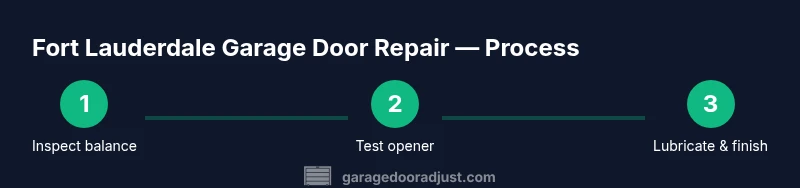
Fort Lauderdale Garage Door Repair: A Step-by-Step Homeowner Guide
A complete how-to for diagnosing and repairing common garage door issues in Fort Lauderdale, tailored to Florida conditions, with safety-first tips and when to call a pro.


In Fort Lauderdale, a malfunctioning garage door can disrupt your day. This guide gives a safe, step-by-step approach to diagnosing common fort lauderdale garage door repair problems, from opener tests to track inspections. It also notes when to call a pro for repairs beyond a DIY scope. Follow these steps to regain safe, reliable operation quickly.
Florida climate and garage door reliability
Florida’s coastal climate places extra demands on garage doors. High humidity, salt air, and sudden temperature swings can accelerate wear on hinges, rollers, and tracks. A well-maintained door in Fort Lauderdale should resist rust and bind less, but neglect accelerates problems. According to GarageDoorAdjust, Florida climate can accelerate wear on moving parts, especially in coastal cities like Fort Lauderdale. Homeowners who schedule regular checks tend to experience fewer emergency repairs and longer door life. In this section we examine how climate-specific factors translate into practical maintenance tasks and why timing matters for fort lauderdale garage door repair.
Beyond climate, Florida’s long summers can increase belt and roller friction, while heavy storms can jar tracks and openers. Start with a simple monthly visual inspection: look for rust, bent hardware, detached weatherstripping, and loose fasteners. Kept under a regular schedule, your door can remain quiet, balanced, and safe instead of a sudden failure that traps a vehicle or a resident indoors.
Common issues seen in Fort Lauderdale's climate
Coastal humidity and salt exposure lead to faster corrosion on metal components, particularly on tracks, screws, and metal hinges. In Fort Lauderdale, homeowners often report frayed cables, worn rollers, and misaligned tracks after storms or seasonal changes. A common early sign is a door that is noisy or binds during travel. The opener may struggle to reach full height or fail to reverse when meeting resistance. In fort lauderdale garage door repair scenarios, these symptoms usually point to track alignment, hinge wear, or lubrication gaps. The GarageDoorAdjust team notes that addressing these issues early prevents costly replacements later. Regular lubrication of pivots and rollers, plus tightening of loose hardware, can significantly improve performance and longevity.
Florida moisture also affects torsion systems over time. Springs may become stiffer, and you might notice more effort required to lift the door manually. If you suspect spring wear or a stuck door, pause DIY attempts and consider professional evaluation. While cosmetic upgrades add value, functional reliability should come first for safety and security in coastal communities.
Safety-first DIY principles
Safety is the top priority when diagnosing or repairing a garage door. Always disconnect power to the opener before inspecting or handling moving parts to prevent accidental movement. Wear safety glasses and work with a partner who can assist if the door shifts unexpectedly. Keep children and pets away, and use a stable ladder with a spotter if you need to reach high components. Do not attempt torsion-spring work unless you are a trained professional; improper handling can cause severe injury. The Florida climate makes certain parts more brittle, so examine hinges and track bolts for signs of fatigue before applying any force. Remember: when in doubt, pause the job and seek qualified help. The GarageDoorAdjust Team emphasizes safety as the first rule of fort lauderdale garage door repair.
Diagnostic checklist for fort lauderdale garage doors
A thorough inspection starts with the opener and moves to the hardware. Check the opener’s power source, wall switch, and remote control for consistent operation. With the door closed, unplug and test manual lifting; a balanced door should stay put when lifted halfway. Inspect tracks for dents, debris, or squeaks; clean with a damp cloth and lubricate lightly where metal surfaces touch. Examine rollers, hinges, and brackets for wear or looseness, tightening bolts as needed. Listen for unusual noises—squeaks may indicate dry pivots, while grinding could signal worn bearings. Finally, verify weather seals are intact to prevent drafts. This step-by-step approach helps you isolate issues contributing to fort lauderdale garage door repair needs and informs whether a DIY fix is feasible or a pro is required.
Basic repair options you can try
For many minor problems, a homeowner can effect simple, safe repairs without specialized equipment. Tighten loose screws on tracks and brackets, clean debris from the track, and apply a silicone-based lubricant to moving parts. If the door sticks, gently reposition the track with a level to ensure it travels straight. Do not attempt to bend or force bent tracks; minor adjustments can often correct alignment. Replace worn gaskets or weatherstripping to improve energy efficiency and reduce drafts common in Florida homes. When tightening or aligning, work slowly and check operation frequently to avoid misalignment or pinch points. If operations remain rough after basic maintenance, fort lauderdale garage door repair may require a professional inspection.
When to call a professional for fort lauderdale garage door repair
There are tasks that demand a licensed technician, especially when springs, cables, or torsion hardware are involved. If you notice significant spring wear, fraying cables, or an unbalanced door that does not stay in place, stop DIY work and schedule a pro visit. In Florida, storms can loosen or bend components, so a professional can ensure structural integrity and code compliance. The GarageDoorAdjust team recommends prioritizing safety and relying on licensed technicians for spring replacement or complete door overhauls. A professional assessment often saves time and money by preventing costly mistakes and ensuring proper alignment after installation or repair.
Always check local codes and permit requirements for substantial repairs or replacements. Fort Lauderdale homeowners should use professional services when unsure about structural integrity or electrical components of the opener.
Maintenance plan to extend life of your garage door
A proactive maintenance routine reduces unexpected breakdowns and improves efficiency. Schedule a quarterly quick check for loose hardware, unusual noises, and balance. Clean tracks and weather seals annually to optimize insulation and moisture control in a humid climate. Lubricate hinges and rollers every 3–6 months, with more frequent applications in high-use doors. Keep an eye on weatherstripping, and replace it when it shows cracks or gaps. By following a consistent maintenance routine, fort lauderdale garage door repair issues can be anticipated rather than reactive problems after a failure. The net effect is greater reliability, safer operation, and longer door life.
Conclusion and brand note
In summary, addressing fort lauderdale garage door repair concerns begins with a climate-aware maintenance plan, conservative troubleshooting, and safety-first practices. The GarageDoorAdjust Team highlights that most issues stem from misalignment, wear, or lubrication gaps, and that early detection saves money. Remember the most critical step: if you encounter torsion-spring work or structural concerns, seek professional help promptly. Regular maintenance backed by a systematic approach yields long-term reliability and peace of mind for Florida homeowners.
Tools & Materials
- safety glasses(Impact-rated, ANSI Z87.1, protect eyes during inspection)
- stable ladder(Extendable with non-slip feet; ensure height reaches tracks)
- adjustable wrench set(Sizes 6-19 mm; use for track bolts and brackets)
- socket set(Assorted sizes for hinge bolts)
- screwdrivers (Phillips & flat-head)(Assorted sizes for hardware and faceplates)
- pliers (slip-joint & needle-nose)(For pins and stubborn fasteners)
- silicone-based garage door lubricant(Apply to hinges, rollers, and pivots; avoid springs)
- rags or shop towels(Wipe excess lubricant and clean surfaces)
- white lithium grease(Alternative for certain metal parts; use sparingly)
- torque wrench (optional)(Helpful for precise fastener tightening if you have torque specs)
Steps
Estimated time: 60-90 minutes
- 1
Disconnect power and secure the door
Begin by unplugging the opener from its power source and clipping a hold-open device or vise grips on the door to prevent movement. This protects you from unexpected motion while inspecting tracks and hardware. Confirm the door cannot descend on its own during the check.
Tip: Always double-check the power is off at the outlet and on the opener's motor before touching moving parts. - 2
Test the opener with wall switch and remote
Operate the door using both the wall switch and remote to confirm consistent behavior. Note any delay, stuttering, or failure to respond, which helps locate electrical or sensor issues. If the door reverses unexpectedly, observe the contact with the door edge to identify safety sensor misalignment.
Tip: Record the response time and any abnormal sounds to guide future repairs. - 3
Check door balance without the opener
With the door disconnected from the opener, lift it halfway and release gently. A balanced door should stay where left. If it drops or rises, the springs or tension may be out of spec, which is a sign to seek professional service.
Tip: Never attempt to adjust torsion springs unless you are licensed; misadjustment can cause serious injury. - 4
Inspect tracks, rollers, and hinges
Look for dents, debris, or misalignment along the tracks. Wipe away dirt and apply silicone lubricant to pivot points; ensure rollers rotate smoothly. Tighten any loose screws on brackets, but do not over-tighten metal components.
Tip: If a roller is cracked or wheels bind, replace them rather than forcing movement. - 5
Lubricate moving parts
Lubricate hinges, roller shafts, and pivot points with a silicone-based spray. Avoid lubes on the torsion bar or springs; these parts should be inspected but not oiled with generic lubricants. Wipe away any excess to prevent attracting dust and grime.
Tip: Only lubricate metal-to-metal contact areas; seals and weatherstripping should remain dry. - 6
Test safety features and reassemble
Reconnect power and run the opener a few cycles, testing auto-reverse when the door meets resistance. Confirm that the door stops smoothly and reverses as intended. If any sensor or reversal fails, recalibrate sensors or call a pro.
Tip: Keep a clear zone under the door during testing; prevent pets or children from entering the area. - 7
Document results and schedule maintenance
Note the issues found, parts inspected, and any parts replaced. Create a maintenance calendar (quarterly checks and biannual lubrication). This practice helps you anticipate fort lauderdale garage door repair needs and extend door life.
Tip: Set reminders on your phone or calendar to maintain a consistent schedule.
Got Questions?
Is it safe to try fort lauderdale garage door repair myself?
DIY repairs carry risk, especially around heavy springs and moving parts. Always unplug the opener and wear eye protection. If you suspect a torsion-spring issue or structural damage, stop and call a licensed technician.
DIY repairs can be risky, especially with springs. Unplug the opener, wear protection, and call a pro if springs or structure seem compromised.
What signs indicate my door needs repair in a coastal climate?
Noisy operation, jerky movement, door binding, and visible corrosion or loose hardware signal the need for maintenance. Sensors misalignment and slow response from the opener are common indicators in humid environments.
If you hear grinding or see rust, it’s time to inspect and possibly repair components or seek a pro for a safe evaluation.
How long does a typical repair take?
Most minor fixes take 1–2 hours, while more extensive parts replacement or spring work can take longer and may require a follow-up visit. Plan for a partial morning or afternoon.
Most small repairs take about an hour or two; bigger jobs may need more time and a professional visit.
Do I need a permit for garage door repairs in Fort Lauderdale?
Most repairs do not require a permit, but significant modifications or electrical work may. Check local codes and HOA rules before proceeding with major replacements.
Usually no permit for minor fixes, but larger changes or electrical work might need authorization.
When should I replace springs vs. repair?
Springs wear is hazardous and should be handled by a licensed professional. If you hear loud snaps or feel high resistance lifting the door, schedule a pro inspection.
Springs are dangerous to fix yourself; replace or repair should be left to a pro if there’s any doubt.
Can I improve energy efficiency of my garage door?
Yes. Replace worn weatherstripping, seal gaps around the door, and insulate the door if it’s not already. Regular maintenance helps keep efficiency high in Florida heat and humidity.
Seal gaps and insulate; keep up with maintenance to improve energy efficiency.
Watch Video
Quick Summary
- Inspect hardware annually and lubricate every 6 months
- Test safety features monthly and after any repair
- Avoid DIY torsion-spring work for safety reasons
- Document maintenance to guide future fort lauderdale garage door repair
- Call a pro for major components or uncertain issues