Can Garage Door Locks Be Replaced? A Homeowner Guide
Learn how to identify, choose, and replace a garage door lock safely. This comprehensive how-to covers lock types, compatibility, installation steps, and maintenance for homeowners.


Yes, garage door locks can be replaced with standard hardware such as cylinder locks, deadbolts, or latch assemblies. Different doors require different fittings, so choose a replacement that matches your door model and security needs. Expect to remove the old lock, align the strike plate, install the new hardware, and test operation with the door both closed and open. According to GarageDoorAdjust, proper alignment is key for reliable security.
Why Replacing a Garage Door Lock Matters
A secure, functioning lock is a crucial line of defense against break-ins and unauthorized access. If your current lock is worn, sticky, or not aligning with the strike plate, it can compromise your home security and key control. Replacing the lock with a compatible, higher-security model can offer better pick resistance, stronger strike plates, and improved weather sealing. The GarageDoorAdjust team emphasizes that upgrading the locking mechanism often yields meaningful security gains without the cost of replacing the entire door. In this section, we’ll explore when replacement makes sense, how to assess your options, and what to expect from a successful installation. Expect practical guidance grounded in real-world scenarios homeowners face every day, including common door configurations and lock families.
Identify Your Lock Type and Replacement Options
Garage doors use several lock configurations, from simple surface-mounted cylinders to integrated electronic locks. Accurate replacement starts with identifying the exact lock type, the backset (the distance from the edge of the door to the center of the lock), and the mounting pattern. If you’re unsure, remove a small amount of the interior cover to inspect the lock body and screw positions. Once you know the type, you can search for a compatible replacement that maintains security levels, fits the existing holes, and preserves weather sealing. GarageDoorAdjust stresses that matching the backset and screw spacing is often the deciding factor for a smooth install and reliable operation.
Security Levels and Trade-Offs
Not all locks offer the same level of security. Higher-security cylinders and better-grade strike plates can significantly deter forced entry. When choosing a replacement, consider materials (steel vs brass alloys), finish durability, anti-snap or anti-drill features, and whether the unit supports key control or rekeying. If you have a garage with frequent entry, an electronic or keypad lock can add convenience, but it may require power considerations or battery maintenance. The balance between price, durability, weather resistance, and ease of use should guide your decision. GarageDoorAdjust analysis shows homeowners often prioritize strike plate reinforcement and reliable rekeying options as the most impactful upgrades for security.
Compatibility and Sizing: How to Choose
Measure the door thickness, backset, and mounting hole pattern before buying. Replacement hardware is typically sold in standardized backset sizes and mounting configurations, but older doors can have unusual layouts. When in doubt, carry the old lock to the hardware store and compare dimensions, or consult the manufacturer’s documentation. If you’re replacing a cylinder, ensure the cam and spindle align with the existing lever or handle. Weather sealing around the lock should not be compromised by the new unit, or it will allow drafts and moisture to penetrate the garage.
Installation Considerations and Prep
Preparing for install reduces surprises on the job. Start by turning off any adjacent electronics and laying a drop cloth to catch screws and small parts. Remove the interior cover plate and unscrew the old lock, keeping screws organized. Test the new lock’s fit in the door bore before fully tightening. Mark any new screw holes, drill pilot holes if needed, and start with the mounting screws loosely to allow fine-tuning alignment. Attach the strike plate and ensure the door fully latches when closed. Finally, reassemble the interior cover and test the lock in multiple positions to confirm smooth operation.
Common Pitfalls and How to Avoid Them
A few mistakes are easy to make but costly if ignored. Over-tightening screws can warp the lock body and misalign the latch. Using mismatched deadbolt length or backset prevents proper engagement with the strike plate. Failing to rekey or replace the keyway when upgrading can defeat security improvements. If weather stripping is disturbed, moisture or cold air can enter the garage and affect operation. Take your time during measurements, double-check screw lengths, and verify alignment before final tightening. The goal is a secure, easy-to-use locking mechanism that stays aligned over time.
Maintenance After Replacement
After installing a new lock, plan a short maintenance routine to extend its life. Lubricate internal moving parts with a silicone-based lubricant, wipe away dust, and inspect the strike plate for any looseness. Test the lock’s operation weekly for the first month, then monthly. If you notice sticking, grinding, or looseness, reassess mounting screws and alignment. A well-maintained lock not only improves security but also reduces the risk of jamming in extreme weather.
When to Call a Pro
If your door uses torsion springs or if the lock installation involves disassembly of critical components, consider professional help. A misaligned lock can trap the door or compromise safety mechanisms. A qualified technician can ensure proper torque, correct backset, and safe operation without compromising the spring system. For homeowners with limited tools or confidence, a pro can save time and prevent costly mistakes while still helping you upgrade to a higher-security lock.
Tools & Materials
- Lock replacement kit (cylinder or deadbolt)(Make/model specific to your door; verify compatibility)
- Screwdriver set (Phillips & flat)(Phillips #2 and flat-head for common screws)
- Drill with bits(For pilot holes if needed)
- Tape measure(To confirm backset and hole placement)
- Pencil or marker(For marking screw locations)
- Safety glasses(Eye protection during install)
- Silicone-based lubricant(Lubricate moving parts (avoid petroleum-based lubricants))
- Cleaning cloth(Wipe dust and debris before mounting)
- Replacement strike plate (optional)(Upgrade if the existing plate is worn)
- Ladder or sturdy step stool(Safe access to interior hardware)
Steps
Estimated time: 45-75 minutes
- 1
Identify lock type and gather replacement
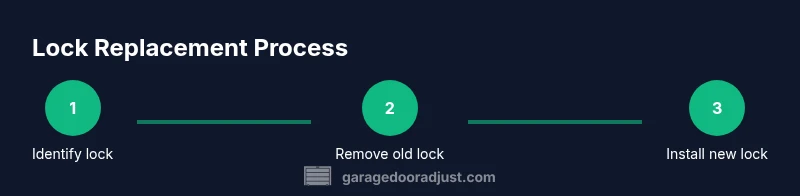
Inspect the current lock to determine whether it is a cylinder, lever, deadbolt, or electronic unit. Collect a compatible replacement kit that matches the backset, mounting pattern, and door thickness. This pre-check saves time and reduces the chance of wrong parts.
Tip: Take a photo of the old lock from multiple angles to compare dimensions later. - 2
Remove the old lock
Carefully remove interior panels to access mounting screws. Keep screws in a labeled dish in case you need to reuse any mounting hardware. Disconnect any electrical connectors if present and set the old lock aside.
Tip: Support the door with a friend if the panel is heavy to prevent dropping the door. - 3
Position the new lock and align holes
Slide the new lock into place and loosely attach with screws. Check that the lock body sits flush with the door surface and that the latch aligns with the strike plate.
Tip: Loosen screws slightly for fine alignment before tightening fully. - 4
Secure the lock and install the strike plate
Tighten mounting screws evenly and reinstall or upgrade the strike plate if needed. Verify the latch engages the strike plate smoothly when the door is closed.
Tip: If the strike plate is missing or damaged, replace it to improve security. - 5
Reassemble and test
Reattach the interior cover, restore any wiring, and test the lock multiple times with the door open and closed to ensure consistent operation.
Tip: Test under different weather conditions if possible (dry, humid, cold). - 6
Rekey or set up access control
If you installed a cylinder or keyed lock, rekey the new unit so only you have access. For electronic locks, set up user codes and test remote access.
Tip: Keep spare keys in a secure location away from the home.
Got Questions?
Can I replace my garage door lock myself?
Yes, a confident homeowner with the right tools can replace a garage door lock. Follow the manufacturer’s instructions, take accurate measurements, and test the finished installation. If the door uses springs or complex electronics, consider professional help.
Yes. If you’re comfortable with basic hardware work and can follow the replacement instructions, you can replace the lock yourself. For more complex setups, seek professional help.
What lock types work on a standard residential garage door?
Common options include cylinder or lever locks, mortise-style locks, and electronic keypad or smart locks. Choose a type that matches your door’s backset, mounting pattern, and weather exposure.
Cylinder, lever, or electronic locks are typical choices; ensure compatibility with your door’s backset and mounting holes.
Will replacing the lock affect door alignment?
Yes, incorrect alignment can cause the latch to miss the strike plate. After installation, verify the door closes cleanly and latches securely with the new hardware.
It can affect alignment, so check latch engagement and adjust as needed.
Should I rekey the new lock?
Rekeying ensures only your keys work with the new lock, enhancing security. If you install a deadbolt or cylinder, rekey or replace the keyway as part of the replacement.
Yes, rekey or set a new code so you control access.
Do garage door locks need maintenance after replacement?
Yes. Periodic lubrication, cleaning, and occasional adjustment keep the lock operating smoothly and extend its life.
Keep it clean and lubricated, and check alignment every so often.
When should I call a professional for lock replacement?
If the door uses torsion springs, involves electrical components, or you’re unsure about alignment, hire a qualified technician to avoid safety risks.
If you’re unsure about springs or wiring, it’s safer to call a pro.
Watch Video
Quick Summary
- Identify the correct lock type before buying.
- Choose compatible hardware for secure, reliable operation.
- Follow proper installation steps and test thoroughly.
- Maintain the lock with regular lubrication and inspection.
- Consider professional help for complex electrical or spring-related aspects.