LiftMaster 8500W: Step-by-Step Guide for Homeowners
Learn how to install, program, and troubleshoot the LiftMaster 8500W wall-mount garage door opener. This step-by-step guide covers safety, wiring, sensor alignment, remote pairing, and maintenance for homeowners.


This guide helps homeowners install or troubleshoot the LiftMaster 8500W garage door opener safely and efficiently. You’ll confirm compatibility, gather tools, and follow a clear, step-by-step process to mount, wire, program remotes, and test safety sensors. The LiftMaster 8500W is a wall-mount opener that saves space and reduces noise when correctly installed.
What is the LiftMaster 8500W and why choose it?
The LiftMaster 8500W is a wall-mount garage door opener designed to sit beside the garage ceiling rather than overhead. This configuration saves ceiling space, reduces noise, and makes room for insulation and storage overhead. When paired with a modern belt drive and smart connectivity, the 8500W delivers reliable performance for most standard residential doors. In this guide, we’ll explain how it works, what to watch for during installation, and how to troubleshoot common issues. The LiftMaster 8500W supports MyQ remote connectivity, battery backup, and robust safety features, making it a popular choice for homeowners seeking long-term convenience.
Space-saving design and installation prerequisites
A key benefit of the LiftMaster 8500W is its compact footprint, which frees ceiling space for lighting, storage, or ceiling insulation. Before beginning, verify your door is within the weight and width ranges recommended by the manufacturer and confirm your existing track type is compatible with a wall-mount system. You should also inspect the torsion spring balance and track alignment so the door moves smoothly when the opener is engaged, and you have unobstructed access to the mounting area. In short, a properly prepared workspace reduces installation risk and improves long-term reliability.
Safety foundations before you start
Working with garage door openers involves potential hazards from moving parts and electrical components. Start by turning off the circuit at the main breaker and using a non-contact tester to confirm no power is present in the wiring you will touch. Clear the area, wear eye protection, and remove any clutter that could interfere with mounting. Understanding these basics lowers the chance of pinch injuries and miswiring during setup.
Step-by-step overview to install or troubleshoot
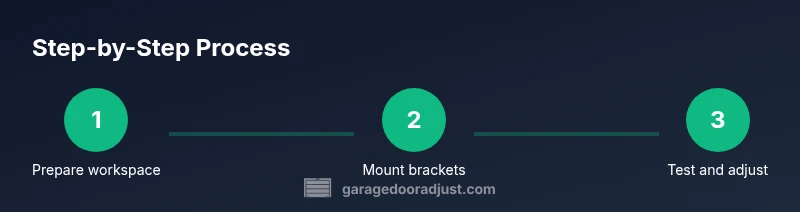
This overview describes the high-level sequence for the LiftMaster 8500W installation or troubleshooting. Begin with preparing space, mounting the wall bracket, attaching the rail, wiring the unit, and then configuring safety sensors and remote access. Even if you are upgrading an existing system, the same logical flow applies: secure mounting, verify movement, and test safety features before final use. This approach helps keep you organized and reduces surprises during the process.
Wiring, sensors, and safety checks
Wiring the 8500W involves connecting the garage door to the motor unit, power supply, and control wiring for remotes or keypads. Safety sensors are essential and must be aligned so the infrared beams cross the doorway unobstructed. After connections are made, test the sensors by blocking the beam and confirming the door reverses on contact. If the beam is misaligned, adjust the sensor brackets slightly and re-test until the beam remains clear and responsive.
Programming remotes and keyless entry
Programming remotes with the LiftMaster 8500W typically uses the learn button on the opener. With the door in a closed or open position, press the learn button and then activate the remote control to pair. For keyless entry, follow the manufacturer instructions to set a personal code and ensure the keypad works from a comfortable distance. If pairing fails, check the remote battery and retry within the recommended time window.
Common issues and quick fixes
If the door refuses to move, start with a balance check and verify the door is not off track or binding in its tracks. Misaligned safety sensors, loose wiring, or an improper travel limit can also prevent operation. In many cases, reseating wires, re-aligning sensors, and re-setting limits resolves the problem without replacing components. For persistent issues, consult the manual or seek professional service.
Maintenance, lubrication, belt care, and seasonal checks
Regular maintenance keeps the LiftMaster 8500W performing smoothly. Lubricate moving parts with manufacturer-approved lubricants and keep the track free of debris. Check the belt or drive system for wear and confirm that all screws remain tight. Seasonal checks, especially after extreme weather, help prevent gradual misalignment and extend the life of the opener.
Final checks and next steps
Before putting the opener to daily use, perform a full safety and function test: test auto-reverse with a blocking object, verify force and travel limits, and confirm remote and keypad access works. Document the dates of service and any changes made during installation. If any doubt remains about structural integrity or wiring, contact a licensed installer for a thorough inspection.
Authority sources for garage door safety (factual references)
- https://www.cpsc.gov
- https://www.osha.gov
- https://www.energy.gov
These sources provide safety guidelines relevant to DIY garage door projects and electrical work. Always verify compliance with local code requirements and manufacturer instructions when installing or servicing your LiftMaster 8500W.
Tools & Materials
- Power drill(With 3/32" and 1/8" bits)
- Socket/wrench set(Metric and SAE sizes)
- Level and square(Ensure bracket alignment)
- Ladder(Stable and tall enough to reach the mounting height)
- Safety gear(Gloves and safety glasses)
- Mounting hardware included with kit(If not included, purchase compatible brackets)
- Electrical tester (non-contact)(Optional to verify live wires)
Steps
Estimated time: 3-6 hours
- 1
Prepare workspace and safety review
Power off the circuit at the main breaker. Remove any objects from the work area and protect the floor. Read the LiftMaster 8500W installation manual to understand required clearances and safety warnings.
Tip: Double-check the manual for torque specs and do not skip the safety instructions. - 2
Disconnect power and verify source
Confirm the garage door opener circuit is de-energized using a non-contact tester. If you are replacing an existing opener, disconnect its wiring to prevent backfeed.
Tip: Test the tester on a known live circuit to ensure accuracy. - 3
Remove old hardware or clear space
If replacing, detach the old unit by removing mounting screws and disconnecting wires one by one. Clear space around the mounting area to ensure unobstructed access and safe mounting.
Tip: Keep screws in labeled containers to match them to new brackets. - 4
Attach wall-mount bracket and confirm location
Locally locate wall studs and mark the bracket mounting points. Use a level to ensure correct orientation so the opener will hang plumb and the drive belt will run true.
Tip: Avoid mounting over existing electrical wires; use a stud finder for accuracy. - 5
Mount the 8500W unit to the bracket
Lift the motor unit and align with the bracket. Secure using the provided hardware, ensuring the unit sits firmly without wobble.
Tip: Support the unit during mounting to prevent unexpected shifts. - 6
Install rail, belt, and drive mechanism
Connect the drive rail to the mounted unit and route the belt according to the manual. Ensure the belt is tensioned correctly and sits within the track guides.
Tip: Do not overtighten the belt; improper tension can cause premature wear. - 7
Wire the opener and connect safety features
Connect power wiring and control wires for remotes or keypad. Install safety sensors across the doorway and verify unobstructed clearance between them.
Tip: Label all wires to simplify future maintenance. - 8
Program remotes and keypad
Use the learn button on the unit to pair each remote. For keyless entry, enter a personal code on the keypad following the manufacturer steps.
Tip: Test all remotes from different positions in the garage. - 9
Test, calibrate, and adjust
Test auto-reverse with a small obstruction and adjust the travel limits and force as needed. Repeat tests to confirm consistent operation and safety.
Tip: Document the final settings and include a quick reference in the manual for future service. - 10
Final safety check and handoff
Do a final walk-through to ensure all fasteners are tight, sensors align, and there are no exposed wires. Provide the homeowner with safety notes and maintenance tips.
Tip: If in doubt, stop and consult a professional installer.
Got Questions?
Is the LiftMaster 8500W compatible with my existing garage door and track system?
The LiftMaster 8500W is designed for standard sectional doors and compatible tracks, but you should verify weight and rail configuration before installation. If your setup differs significantly, consult the manual or a professional installer.
The 8500W works with standard sectional doors, but verify weight and rail type before starting.
Do I need a professional installer for the 8500W?
Electrical work and correct alignment are critical for safety. If you are not comfortable with wiring, door balance, or ladder work, hire a licensed pro.
If you're unsure about wiring or alignment, hire a professional.
How do I program remotes for the 8500W?
Park the door in the open position, locate the learn button on the opener, press it, then press the remote control within a few seconds to pair.
Use the learn button and the remote control to pair it.
What safety features does the 8500W include?
The 8500W includes photo-eye sensors, auto-reverse, and travel limit controls. Ensure sensors are aligned and unobstructed for reliable operation.
It has sensors and auto-reverse to prevent injuries; make sure they’re aligned.
How long will the LiftMaster 8500W last?
With proper maintenance, the 8500W can provide many years of service. Durability depends on usage, environmental conditions, and regular servicing.
With good maintenance, it lasts for many years.
What maintenance is recommended?
Regularly lubricate moving parts, check balance, and test safety features monthly. Keep the rail clean and ensure weather seals remain intact.
Lubricate parts and test safety features monthly.
Watch Video
Quick Summary
- Plan the space and clear path before starting
- Follow safety protocols at every step
- Program remotes after wiring is complete
- Test sensors and safety features thoroughly
- Regular maintenance extends life
- Consult a professional if uncertain