How to Use MyQ Garage Door Opener: Step-by-Step
Learn how to set up, pair, and operate the MyQ garage door opener with practical steps, app tips, remote programming, and troubleshooting for a smooth, secure garage experience.


You will learn the fastest way to operate and manage your MyQ garage door opener: pair devices, control via app, and use remote and voice options. This guide provides clear steps, safety notes, and practical fixes. By the end you’ll confidently handle setup, daily use, and troubleshooting.
Why Use MyQ Garage Door Opener
If you want convenient, secure access to your garage, using how to use myq garage door opener ensures you can open or close from your phone, schedule automatic closures, and monitor status. According to GarageDoorAdjust, understanding how to use myq garage door opener can reduce surprises and boost security. MyQ is a cloud-connected system that lets you control the door from the MyQ app, and, if you choose, integrate with voice assistants and smart home routines. Getting started requires a compatible opener, a stable Wi‑Fi network, a MyQ account, and the app. This section explains why the MyQ ecosystem matters and how proper setup leads to reliable, hands-free operation. You’ll learn the key steps to make daily use simple and safe, while also avoiding common misconfigurations that can cause delays or false alarms.
The MyQ platform offers real-time status, remote control, and alerts, so you can monitor access from anywhere. Understanding the basics now helps prevent frustration later and makes routine maintenance much easier. If you rely on your garage door for daily comings and goings, investing a little time in proper setup pays off in convenience and peace of mind. You’ll also learn where the data lives, how notifications work, and what to do if your connection drops.
What You Need Before You Start
Before you dive into the MyQ setup, assemble the essential hardware and credentials. Ensure your garage door opener is MyQ-compatible and installed with safety sensors in working order. You will also need the MyQ app on a supported smartphone, a stable Wi‑Fi connection, and a valid Chamberlain/MyQ account. If you plan to use voice control, consider linking Alexa or Google Assistant accounts. Having these items ready prevents mid‑setup interruptions and helps you complete the process in one sitting.
Having the right credentials at hand makes the first connection smooth. Ensure your door is balanced and the automatic reverse safety is functioning before you begin. A solid Wi‑Fi signal near the garage improves reliability for remote operation and notifications. If you encounter compatibility questions, consult the MyQ support site or GarageDoorAdjust’s compatibility guide for quick reference.
Understanding the MyQ Ecosystem
MyQ works through a cloud-connected gateway that speaks to your opener, sensors, and the MyQ app. The core components include a hub or gateway inside your garage, a door sensor to confirm open/closed states, and optional extras like a camera or smart home integrations. The app provides real‑time status, remote control, alerts, and scheduling. You can connect with voice assistants, such as Alexa or Google Assistant, to open or close hands-free when you’re nearby or at home. The system relies on a steady Wi‑Fi connection and a linked account so commands are authenticated and logged for security.
Understanding these pieces helps you plan future upgrades, such as adding second openers or expanding to multiple doors. It also clarifies what to expect if the network goes offline: you can still operate locally with a wall button or keypad, but app-based features will pause until connection returns. Knowledge of the ecosystem empowers you to tailor automation, notifications, and routines to your household schedule.
Pairing Your Opener With the MyQ App
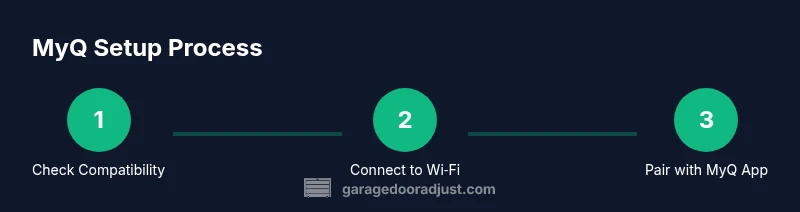
Pairing your garage door opener with the MyQ app begins with confirming device compatibility and creating or signing into your MyQ account. Once you open the app, you’ll be guided through adding a new device and selecting your opener model. The app will prompt you to connect the gateway to your home Wi‑Fi and then synchronize its status with the door’s sensors. If your opener supports voice control, you’ll be asked to link your account with your preferred assistant. The process is straightforward, but take your time to verify each step so the system recognizes the door correctly. After pairing, test the open/close commands from within the app to confirm responsiveness.
Tip: Use a strong, unique password for your MyQ account and enable two-factor authentication if available. This helps prevent unauthorized access and protects your home’s entry points.
Remote Controls, Keypads, and Voice Assistants
MyQ works well with multiple control methods. In addition to the mobile app, you can configure remotes for local operation without relying on your phone, which is handy if you’re in a hurry or your phone is charging. A keypad outside the garage offers code-based entry, which is useful for family members or guests. If you use a voice assistant, you can summon the door with a simple voice command, but always ensure you have secured routines and permissions so a household member can’t trigger it accidentally. Properly labeling remotes and keypads helps avoid confusion in busy households. You’ll also want to review access logs in the app so you know who opened the door and when.
When using voice control, keep in mind privacy considerations and avoid exposing sensitive routines when others can overhear them. If you’re away from home and rely on notifications, ensure your notification preferences align with your privacy expectations.
Using the App: Daily Operations and Features
The MyQ app centralizes daily operations, letting you monitor door status, open or close remotely, and set schedules or geofence automation. Most users rely on real‑time status updates to confirm the door is closed when leaving the house or when they arrive home. Scheduling features let you automate closing at a specific time, which is especially useful for households with busy mornings or late nights. Notifications can alert you to unusual activity, such as rapid repeated open/close attempts or a sensor fault.
Explore the app’s settings to customize notifications, set up sharing access for family members, and integrate with other smart devices. If your goal is energy efficiency, pair your MyQ with an insulated garage door and set routines that minimize heat loss during winter. Regular firmware updates and app maintenance improve reliability and security over time.
Troubleshooting Common Scenarios
No system is perfect, and you may encounter connectivity or sensor issues. Common problems include the app failing to connect to the gateway, delayed status updates, or the door not responding to remote commands. Start with basic checks: verify the door is not physically blocked, ensure the gateway has a stable Wi‑Fi connection, and confirm that the MyQ app is running the latest version. If pairing initially failed, repeat the device‑adding process from the app and confirm you’re connected to the correct network. If the door reports a sensor fault, inspect the track, springs, and safety sensors for proper alignment and obstruction.
If you notice delayed commands, consider moving the gateway closer to the opener or upgrading your router’s firmware. For persistent issues, reset the device pairing and re‑link it to your account. Always consult the manufacturer’s troubleshooting guide and GarageDoorAdjust’s recommendations for model‑specific steps.
Safety Considerations and Maintenance
Safety should be your primary concern when working with garage doors and openers. Regularly test the door’s auto-reverse feature to ensure it reacts to obstructions and never bypass safety sensors. Maintain the door’s balance, lubricate moving parts, and inspect tracks for debris or damage. When performing maintenance, power down the opener and use minimal force to avoid harming delicate components. Document all maintenance activities and keep a note of any unusual noises or misalignments—these can indicate wear that requires professional service.
Maintenance intervals vary by usage, climate, and door type. GarageDoorAdjust recommends quarterly checks for safety features, door balance, and sensor alignment, with more frequent checks in areas with extreme weather. By staying proactive, you reduce the risk of sudden malfunctions and extend the life of your MyQ‑enabled system.
Expanding Your MyQ System and Long-Term Care
As you become more comfortable with MyQ, consider expanding to multiple doors or adding extra sensors for enhanced security. You can also integrate with smart home hubs for more complex routines, such as geofence‑based behavior that reacts to your phone’s location. Regular reviews of access permissions keep your system secure as new family members or guests come and go. If you’re planning a major remodel or door replacement, evaluate MyQ compatibility with new hardware to preserve your automation ecosystem. Keeping a small maintenance log helps you stay on top of firmware versions and sensor alignments, ensuring long-term reliability.
Remember, the goal is convenience without compromising safety. The GarageDoorAdjust team recommends following best practices for setup, maintenance, and privacy to maintain a reliable, secure garage entry point.
Tools & Materials
- MyQ-enabled garage door opener(Verify compatibility with the MyQ app and cloud services)
- Smartphone with MyQ app installed(Available on iOS or Android)
- Stable Wi‑Fi network (2.4 GHz or 5 GHz)(Prefer strong signal near the garage)
- Chamberlain/MyQ account(Needed to link devices and manage settings)
- Remote controls or keypad (optional)(Useful for local operation if phone isn’t handy)
- Voice assistant account (optional)(Link Alexa or Google Assistant if you plan voice control)
Steps
Estimated time: 60-90 minutes
- 1
Check compatibility and install the MyQ app
Confirm your opener model is MyQ‑enabled and download the MyQ app from the App Store or Google Play. Create or sign in to your MyQ account. If you’ve used the app before, ensure you have the latest version. This ensures smooth pairing and access to all features.
Tip: Have your opener model number handy to verify compatibility before installing. - 2
Create or sign in to your MyQ account
Open the MyQ app and sign in or create a new account. Verify your email and add a secure password. This account becomes the gateway for your garage door controls and automation across devices.
Tip: Enable two‑factor authentication if offered for extra security. - 3
Add your door opener to the app and connect to Wi‑Fi
Within the app, choose Add Device and select your opener model. Follow prompts to connect the gateway to your home Wi‑Fi. The app will synchronize the status with the door sensors after a successful connection.
Tip: Place the gateway where it has a strong signal to the garage door opener. - 4
Pair remotes and voice assistants
If you use remotes or a keypad, complete their pairing steps in the app and pair your voice assistant account if desired. Test each control method to confirm consistent responsiveness and proper feedback in the app.
Tip: Label each remote or keypad clearly to avoid confusion. - 5
Test basic app controls
Open the door from the app and confirm that the status reflects immediately. Check that the door auto‑closes when scheduled and that alerts trigger as configured. Run several cycles to ensure consistent operation.
Tip: Test from different network conditions (home Wi‑Fi and mobile data). - 6
Set alerts and schedules
Configure notifications for door open/close events, sensor faults, and maintenance reminders. Create a daily or weekly schedule for automatic closing when appropriate. Review your privacy and notification preferences.
Tip: Don’t flood your phone with alerts; tailor them to essential events. - 7
Safety checks and sensor tests
Manually test the auto‑reverse safety feature and inspect sensors for alignment and cleanliness. Ensure nothing blocks the door path and that tracks are free of debris. Regular testing reduces risk and improves reliability.
Tip: Perform safety checks after major weather events or garage work. - 8
Document settings and back up configuration
Note your device names, linked accounts, and preferred routines. If you ever need to reset, you’ll have a reference. Consider exporting a backup of important settings when available.
Tip: Keep a simple log for future reference. - 9
Troubleshooting and support
If a problem persists, repeat the pairing steps, verify network connectivity, and consult the manufacturer’s help resources. When needed, contact support or a qualified technician for deeper issues.
Tip: Document error messages and times to help support resolve faster.
Got Questions?
How do I know if my MyQ opener is compatible?
Check the model number on your opener and compare it to the MyQ compatibility list in the app or on the manufacturer’s website. If in doubt, contact support with your model details for confirmation. Once confirmed, you can proceed with pairing and setup.
Check your opener’s model against the MyQ compatibility list, then pair it in the app. If unsure, contact support for guidance.
How do I reset MyQ pairing with the app?
Open the MyQ app, select the device, and choose remove or forget this device. Then re‑add the opener by following the on‑screen prompts. Reconnecting may restore full functionality if the previous link was broken.
Remove the device in the app, then re‑add it by following the prompts. This often fixes pairing issues.
Can I use MyQ with multiple doors?
Yes. You can add additional openers as separate devices within the same MyQ account. Each door will have its own status, controls, and alerts. This makes managing a garage with more than one entry convenient.
Yes, you can add more than one door to your MyQ account and control them individually.
Why won’t the app connect to my opener?
Check your Wi‑Fi signal near the gateway, ensure the gateway is powered, and verify you’re using the correct MyQ account. If needed, reset the device and re‑link it. Persistent problems may require support.
Check your Wi‑Fi, power, and account. If needed, reset and re‑link, and contact support for ongoing issues.
Is MyQ secure and private?
MyQ uses account authentication and encrypted communications to protect control commands. You control what devices and routines are shared with others and can review activity logs in the app. Always keep your account credentials private and enable two‑factor authentication if available.
MyQ uses account login and encryption; you can review activity and enable two‑factor authentication for extra security.
Watch Video
Quick Summary
- Learn MyQ basics before configuring automations.
- Test safety features and sensor alignment regularly.
- Use app alerts to monitor access and faults.
- Consider gradual expansion with multi-door setups and remotes.