Polystyrene Garage Door Insulation: Step-by-Step Guide
Learn how to insulate a garage door using polystyrene panels, cut precisely, seal gaps, and improve energy efficiency without compromising door function. This step-by-step guide helps homeowners achieve warmer winters and cooler summers.


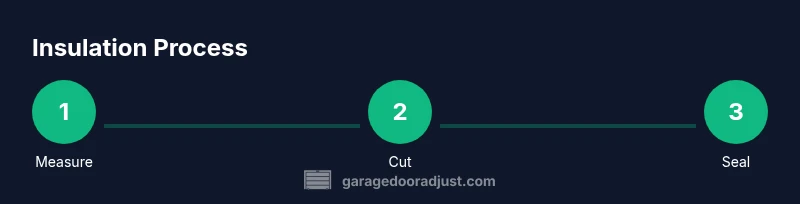
Install polystyrene garage door insulation by measuring each panel, cutting foam boards to size, attaching them to the interior surface, sealing all edges with aluminum tape, and adding weatherstripping at the door jamb. This improves energy efficiency and comfort without sacrificing door operation.
Why polystyrene insulation makes sense for garage doors
Polystyrene garage door insulation is a practical option for homeowners who want to boost energy efficiency without a heavy, expensive retrofit. Polystyrene foam boards are lightweight, easy to cut, and available in various thicknesses, making them a flexible choice for retrofits on both wooden and metal doors. According to GarageDoorAdjust, a well-executed interior insulation can reduce thermal bridging and help stabilize temperatures inside the garage, which is especially beneficial if the space doubles as a workshop or hobby area. This guide focuses on safe, homeowner-friendly applications that preserve door balance and opener compatibility while delivering steady, long-term gains in comfort.
Key benefits at a glance include reduced heat loss or gain through the door, quieter drafts near seams, and a relatively fast installation compared with full door replacement. For most detached or attached garages, polystyrene insulation works best when paired with proper sealing around the door edges and junctions. The GarageDoorAdjust Analysis, 2026, emphasizes that air leakage often dominates energy loss in attached garages, so focusing on gaps and edges yields the most noticeable results.
Thickness, density, and panel choice: how to pick what you need
Choosing the right thickness and density for polystyrene panels depends on your climate, door type, and existing weather seals. Thicker boards deliver more insulating value but take longer to cut and install, and they must still clear the door tracks during operation. In practice, most homeowners start with a mid-range thickness that balances ease of handling with thermal performance, then adjust based on seasonal needs and comfort.
Density affects rigidity: higher-density boards resist compression over time, which helps maintain a neat, flat surface under normal door operation. When selecting polystyrene, look for panels labeled for door or wall insulation and ensure they have a solid adhesive backing and edges that can be sealed. Always verify that the chosen thickness won’t interfere with the door’s clearance, sensors, or emergency release.
Safety and workspace setup: essential preparation before you begin
Before you touch any insulation, surface preparation is key. Start by turning off nearby power to avoid accidental activations if you’re working near the garage door opener, and tidy the workspace to prevent trips. Use eye protection and gloves to guard against sharp edges. Clear a generous working area on the interior side of the door, since you’ll be measuring, cutting, and applying panels in place. If your door has torsion springs or other high-tension components, do not attempt to adjust them yourself; insulation work should avoid interfering with mechanical safety features.
A well-lit, ventilated space helps ensure precise cuts and clean seams. Keep a scrap bin handy for offcuts and a ruler or straightedge for accurate measurements. The goal is to create a neat, flush interior surface that seals evenly without creating bulges that could rub on tracks or hardware.
The core installation flow: a high-level overview of the process
The typical workflow begins with careful measurement of each panel, followed by cutting the foam boards to exact sizes. Panels are then fixed to the interior surface using a compatible adhesive or fasteners specified by the panel manufacturer. After attachment, seams and edges are sealed with aluminum tape to reduce air leakage, and perimeter weatherstripping is installed to close gaps at the door jamb. Finally, you’ll test the door’s operation to ensure there’s no interference with sensors or the opener, and make minor adjustments as needed.
This approach minimizes thermal bridging and keeps the door functioning smoothly, preserving the lifespan of the opener and supporting hardware. The process is designed to be safe for DIY enthusiasts while still yielding professional-looking results.
Common pitfalls and how to avoid them
A few frequent mistakes can undermine insulation effectiveness. First, using panels that are too thick or rigid for interior space will cause binding against the tracks or hardware. Second, failing to seal joints thoroughly creates air leaks that quickly negate gains. Third, applying adhesive to damp surfaces or in cold conditions can reduce adhesion strength. Finally, ignoring safety features—like leaving sensors blocked or interfering with the emergency release—can create hazards. By pre-planning gaps, testing clearance, and following the manufacturer’s installation guidelines, you can avoid these issues and achieve a durable, insulated interior.
A note on maintenance and long-term performance
Polystyrene insulation is relatively low-maintenance, but periodic checks help ensure continued performance. Inspect for loose panels, peeling adhesive, or gaps around edges after seasonal temperature swings. If you notice condensation between the panel and door surface, address moisture management by improving ventilation or re-sealing. Over time, door movement or weather shifts can lead to small gaps; re-seal as needed. With proper care, polystyrene insulation provides a stable thermal barrier for years, contributing to a more comfortable garage environment and potential energy savings.
Tools & Materials
- Polystyrene foam boards (EPS or XPS)(Choose thickness based on space and climate; typical range for interior use is 1/2)
Steps
Estimated time: 90-150 minutes
- 1
Prepare the space and safety setup
Power down nearby equipment and clear the workspace on the interior side of the door. Wear eye protection and gloves, and ensure there is ample light. This step reduces the risk of accidental activation or injury during cutting and installation.
Tip: Keep a drop cloth to catch dust and foam fragments. - 2
Measure each panel for insulation fit
Carefully measure the height and width of every interior door panel. Record the measurements to avoid mismatched cuts and ensure a clean, flush installation across all panels.
Tip: Double-check measurements after you cut to prevent waste. - 3
Cut polystyrene sheets to panel sizes
Transfer measurements to polystyrene boards and cut with a sharp utility knife along a straightedge. Wear a mask to avoid foam dust and trim to fit without gaps.
Tip: Allow for small expansion gaps to prevent buckling. - 4
Attach insulation to panel interiors
Apply an adhesive recommended by the panel manufacturer to the back of each foam sheet and press firmly in place on the interior side of each door panel. Align edges carefully for a neat finish.
Tip: Work from top to bottom to avoid sagging before the adhesive cures. - 5
Seal seams and edges with foil tape
Cover all seams and rough edges with aluminum or foil tape to minimize air leakage. Ensure the tape adheres well and forms a continuous seal around each panel.
Tip: Press tape firmly to prevent air gaps, especially along panel seams. - 6
Install perimeter weatherstripping
Apply weatherstripping along the door jamb or threshold to seal the perimeter where the door meets the frame. This reduces drafts and prevents moisture intrusion.
Tip: Choose a stripping material compatible with your door surface for longevity. - 7
Test door operation and clearance
Carefully open and close the door to verify there is no binding and that sensors and the opener function normally. If interference occurs, trim or reposition insulation as needed.
Tip: Do not force the door; adjust insulation thickness if binding is detected. - 8
Inspect for gaps and rework as needed
Visually inspect seams, edges, and the interior surface for any missing seals. Patch any gaps with additional tape or trimming and re-seal to maintain performance.
Tip: Seasonal changes can alter fit; recheck after major weather shifts.
Got Questions?
Is polystyrene insulation effective for garage doors?
Polystyrene insulation helps reduce heat transfer through the door and lowers drafts when properly installed and sealed. Effectiveness depends on panel thickness, installation quality, and sealing of gaps. Always combine insulation with good weatherstripping for best results.
Polystyrene insulation can reduce drafts and heat transfer when installed correctly and sealed well.
Can I insulate a metal door with polystyrene?
Yes, polystyrene panels can be installed on many metal doors if interior clearance allows. Secure the panels with appropriate adhesive and ensure there is no obstruction to tracks or sensors. For very thick insulation, check for potential binding and adjust as needed.
You can insulate a metal door with polystyrene if there’s enough interior clearance and you don’t interfere with hardware.
Will insulation affect door balance or the opener?
Adding interior insulation changes the door’s weight distribution slightly. Keep thickness within practical limits and test after installation. If you notice binding or slower operation, reduce thickness or trim panels and reseal.
Add a modest amount of insulation and test; avoid overloading the door with too much material.
What thickness is recommended for polystyrene insulation?
Start with a mid-range thickness that balances ease of installation with performance, then adjust if needed. Thicker options exist but may require more careful trimming to maintain clearance and sensor operation.
Begin with a mid-thickness panel and adjust based on fit and performance.
Do I need to remove the door from the track to insulate?
In most DIY installations, you insulate while the door is in a controlled position and do not remove it from the track. If you’re unsure about safety, consult a professional before removing hardware or altering balance mechanisms.
Usually you don’t need to remove the door; follow safe guidelines and avoid hardware manipulation.
Is polystyrene fire-safe for garage doors?
Polystyrene panels come with fire safety ratings from their manufacturers. Always verify material ratings and ensure the insulation does not obstruct the door’s manual release or safety sensors.
Check the material's fire rating and ensure it doesn’t block safety features.
Watch Video
Quick Summary
- Measure accurately before cutting to avoid waste.
- Seal all seams and edges to maximize energy gains.
- Test door operation after installation to prevent binding.
- Maintain safety by not altering door hardware.