Garage Door Insulation in Florida: Is It Worth It? A Practical Guide
Explore whether insulating your garage door pays off in Florida's heat. An analytical guide covering climate impact, ROI, costs, and installation tips for homeowners.


Is garage door insulation worth it in florida? The short answer is yes for many Florida homeowners, especially when the garage is attached or used as living space. Insulated doors reduce heat gain, lower cooling loads, and help with humidity control, though ROI depends on door type, insulation level, and local energy costs. In the hot months, the benefits are most noticeable.
Why insulation matters for Florida homes
Is garage door insulation worth it in florida? The question is particularly relevant in warm, humid climates where summers push cooling loads high and humidity affects comfort. Insulating a garage door reduces heat transfer between the outdoors and the cooled or conditioned space inside the attached garage or adjacent living areas. According to GarageDoorAdjust, even modest insulation can noticeably improve comfort in hot climates, while not overburdening a homeowner with upfront costs. Effective insulation helps stabilize surface temperatures on doors and nearby walls, which can translate to lower demand on air conditioning systems and more consistent indoor humidity levels. This is especially true for garages that double as workshops, studios, or home gyms, where temperature stability can improve equipment longevity and occupant comfort.
Key takeaway: Florida homes that use an attached garage or convert space to living areas gain the most value from insulation upgrades, but you should still consider climate, use patterns, and building envelope quality when deciding.
Florida climate factors that influence insulation value
Florida’s climate combines high humidity with intense solar gain, particularly in coastal counties and southern exposures. The effectiveness of garage door insulation depends on multiple factors beyond the door itself. Sun exposure, door operation frequency, and the presence of gaps around the door frame can undermine insulation performance. In practice, higher R-values can yield greater payback in boxes with frequent HVAC cycling or in areas where air leakage is substantial. Florida homeowners should also consider dew point management; better insulation reduces interior surface temperatures, which can mitigate condensation and related moisture issues near the door. Weather patterns, such as afternoon storms and humid nights, influence how quickly heat penetrates a garage, making insulation more valuable in some neighborhoods than others.
Practical guidance: When evaluating options, assess your attached garage’s usage, door location, and existing sealing around the door header and jambs.
How insulation affects comfort, humidity, and cooling costs
Insulation does more than cut energy bills; it improves comfort by reducing hot air intrusions and stabilizing humidity near the door and adjacent living spaces. In Florida, humidity control is a real benefit because cooler indoor air can prevent excessive moisture buildup that would otherwise drive dehumidification needs and mold risk. The energy impact depends on the door’s current state and how well the rest of the envelope is sealed—gaps around the door, leaks through joints, and poor weatherstripping can erode insulation gains. For homes with modern, tightly sealed envelopes, insulation can meaningfully lower peak cooling loads and shorten runtimes for central AC systems, contributing to longer equipment life and more stable indoor comfort levels during peak heat. The ROI will hinge on local electricity prices and how often you rely on cooling during peak sun hours.
Insulation options for garage doors: materials and R-values
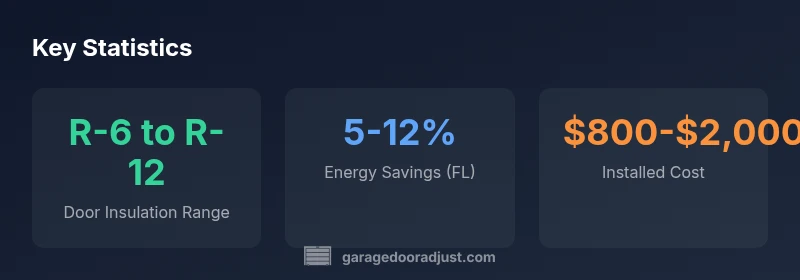
Several insulation options are common in residential garage doors, each with different R-values and price points. Foam-filled steel doors typically offer higher R-values than hollow-core designs; insulated sectional doors may range broadly from R-6 to R-12 or higher depending on panel composition and seal quality. Foam-core constructions often provide the strongest thermal resistance, yet the cost can be higher and installation more complex. When shopping, compare door assemblies based on U-factor (the inverse of R-value) and ensure that installation includes proper weather seals and jamb insulation. For Florida homes, the priority is reducing solar heat gain and blocking air infiltration rather than maximizing insulation in a cold climate. In practice, upgrading to a door with a foam core or adding a retrofit insulation kit can yield tangible comfort and energy benefits if the rest of the envelope is reasonably tight.
Cost, ROI, and installation considerations in Florida
Understanding the price-to-performance balance is essential here. Insulated garage doors and retrofit insulation kits come in a range of price points, typically from a few hundred dollars for basic retrofits to several thousand dollars for premium foam-core doors with robust seals. In Florida’s market, the most sensible approach is to balance upfront cost with expected energy savings, especially if the space is regularly heated and cooled. ROI generally improves for attached garages or spaces used as living areas because these scenarios maximize cooling load reductions. Always factor professional installation to ensure correct alignment, proper sealing, and weather stripping—these details have a meaningful impact on actual performance. If you’re cost-conscious, start with door seals and weatherstripping before upgrading the core panels.
Maintenance, seals, and long-term benefits
Long-term benefits of insulation depend on maintaining a tight envelope. Over time, seals can wear out, weatherstrips can become compressed, and hinges or tracks may require lubrication to prevent uneven gaps. Regular maintenance, including checking weatherstripping at the bottom seal and around the garage door frame, helps preserve insulation performance. Humidity fluctuations and solar exposure in Florida can accelerate seal aging, so plan periodic inspections and replacements as needed. Keeping a well-sealed, insulated door reduces HVAC cycling and can extend the life of your cooling equipment. Even if you don’t see dramatic year-to-year energy savings, the improved comfort and potential moisture control are worthwhile in many Florida homes.
Data sources and references for further reading
For readers who want to dive deeper, consider consulting authoritative sources on building insulation, thermal performance, and energy efficiency. Government and university resources provide guidance on envelope performance, weather sealing, and energy auditing best practices. In particular, look for information from national energy programs and extension services that cover insulation selection, installation quality, and climate-specific considerations. While specific Florida climate adjustments vary by locale, the principles of reducing heat gain, improving air sealing, and choosing appropriate insulation levels remain consistent across climates.
Practical buying steps and quick checklist
- Identify the primary use of the garage (storage, workshop, or living space) and whether it’s attached to the home.
- Evaluate current door condition, seals, and potential air leaks around the frame.
- Choose an insulation approach based on usage and budget (retrofit kit vs. insulated door).
- Compare R-values in the context of Florida’s heat and humidity, aiming for the best balance of comfort and cost.
- Plan for professional installation if door removal or frame sealing is needed; otherwise, confirm DIY compatibility with manufacturer guidelines.
- Schedule ongoing maintenance checks, especially around weatherstripping and door alignment.
mainTopicQueryTypeHint
Comparison of common garage door insulation options and their energy impact
| Door Type | Typical R-Value | Estimated Annual Energy Savings | Installed Cost Range |
|---|---|---|---|
| Insulated sectional steel | R-6 to R-10 | 5-12% | $800-$2,000 |
| Foam-filled steel | R-9 to R-14 | 8-15% | $1,200-$2,800 |
| Fiberglass panel | R-6 to R-8 | 3-9% | $700-$1,800 |
Got Questions?
Is insulation worth it for a detached garage in Florida?
Yes, insulation can improve comfort and reduce heat transfer in detached garages used as workspaces or living areas, though the energy impact may be smaller than for attached spaces. Consider how often you use the space and whether it’s conditioned. Pair insulation upgrades with sealing and weatherstripping for best results.
Yes—it's worth considering if you use the space often and want to reduce heat and humidity. Sealing helps even more.
What R-value should I look for in Florida?
Aim for higher insulation values where budgets allow, typically R-6 to R-12 for many residential doors, with foam-core doors offering stronger resistance (R-9 to R-14). In hot climates, prioritize minimizing heat gain and sealing gaps over ultra-high R-values.
For Florida, target higher R-values where you can, focusing on heat gain reduction and good seals.
Do I need professional installation?
Professional installation ensures proper door alignment, proper sealing, and correct weatherstripping, which significantly affect insulation performance. If you opt for a retrofit kit, follow manufacturer instructions closely and consider professional help for best results.
A pro installation helps ensure the insulation performs as intended.
How long before insulation pays back?
ROI timing varies with energy costs, cooling needs, and usage. In typical scenarios, payback may fall within several years, but Florida’s high cooling load can shorten that timeframe for attached spaces.
Payback depends on energy costs and how you use the space; attached garages tend to pay back sooner.
Are there cheaper upgrades besides insulation?
Yes—improve sealing with weatherstripping, add door sweeps, and ensure tracks and rollers are well-lubricated. These changes can reduce air leakage and enhance insulation performance without a full door replacement.
Weatherstripping and door sweeps are simple, affordable upgrades that help a lot.
“Insulation is a smart upgrade in Florida's climate for many homes, but ROI depends on usage and door type.”
Quick Summary
- Assess your garage usage and climate before deciding on insulation.
- Florida summers drive the greatest cooling savings when insulation is used in attached spaces.
- ROI depends on door cost, installation quality, and overall HVAC efficiency.
- Choose higher insulation values for spaces that are frequently heated or cooled.
- Professional installation helps ensure proper seals and best performance.