Glass Garage Door Insulated: A Homeowner Step-by-Step Guide
Learn how to insulate a glass garage door to reduce heat loss, improve comfort, and save energy with practical steps, tools, and safety tips. This guide covers options, installation, maintenance, and common mistakes for homeowners.


Why glass garage door insulated matters
Glass garage doors bring abundant natural light, but without proper insulation they can become energy liabilities. Insulating a glass garage door helps reduce heat loss, lower energy bills, and improve comfort inside your garage while preserving daylight transmission. This content outlines why insulation matters and what you should consider before starting. According to GarageDoorAdjust, an effective approach balances durability, transparency, and energy efficiency for everyday homeowners. You’ll learn how gaps, glazing, and frame details contribute to overall performance, and what a typical homeowner can expect in terms of effort and maintenance. The aim is to help you achieve a practical solution that maintains curb appeal while improving comfort and efficiency.
How glass doors differ from traditional panels
Glass doors are aesthetically appealing and let in light, but they pose unique insulation challenges. Tempered glass panels can conduct heat more readily than thick metal or wood panels, and large panes may require proper seal details to prevent drafts. Unlike solid doors, glass requires attention to glazing seals, frame thermal breaks, and UV protection. When considering glass door insulation, think about glare, solar gain, condensation, and the potential for fogging between panes. A well-insulated glass door should minimize heat transfer while preserving clarity and daylight. For homeowners, this means selecting options that blend with your home’s style without compromising safety or visibility. This section highlights how glass doors differ from traditional panels and what that means for insulation decisions.
Insulation options for glass garage doors
There are several viable paths to insulate a glass garage door, depending on climate, budget, and whether you want a temporary or more permanent solution. Common options include interior or exterior window films with low-emissivity coatings, removable insulation inserts, and laminated glass or secondary glazing that adds a thermal barrier without blocking light. In milder climates, high-quality weatherstripping and film can substantially reduce drafts, while in colder climates, upgrading to double-glazed or laminated insulated glass can offer stronger energy performance. Each method has tradeoffs: films are inexpensive and reversible but may reduce clarity slightly; inserts preserve light and can be removed seasonally but require careful fitting; enhanced glass units provide the best insulation but involve higher cost and professional handling. When choosing, consider installation effort, warranty implications, and how the option affects curb appeal.
Choosing the right approach for your climate
Your climate greatly influences insulation choices. In moderate regions, sealing gaps and adding interior film often delivers a good balance of cost and performance, while in harsher climates, double glazing or laminated insulated glass can deliver meaningful energy savings. GarageDoorAdjust analysis shows that climate-controlled comfort and glare management should guide your decision, not just upfront costs. Evaluate your garage uses (parking, workshop, or workout space), typical door opening frequency, and the hours you spend in the space. The right approach should reduce drafts, stabilize interior temperatures, and maintain daylight while keeping maintenance manageable. Always weigh energy savings against potential light loss and warranty terms.
Installation considerations and safety
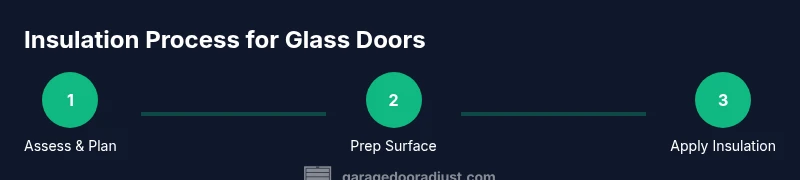
Glass is fragile and requires careful handling during insulation projects. Before you start, unplug the opener and ensure the door is securely supported. Use proper PPE: safety glasses, cut-resistant gloves, and a sturdy ladder. If you decide to alter the glass itself (for example, installing heavier laminated units or retrofitting with glass inserts), it’s wise to consult a professional to avoid voiding warranties or compromising safety. When applying films or inserts, follow manufacturer instructions for surface prep and curing times. Never rush or apply heat sources near glass, and verify the door’s balance after modifications to prevent strain on springs and tracks.
Maintenance and long-term care
Insulated glass doors require periodic inspection and care to maintain performance. Clean glass surfaces with non-abrasive cleaners to prevent scratches, and recheck seals and weatherstripping at least twice a year. If you notice condensation between panes, fogging, or reduced daylight, reassess the glazing integrity or consider professional glazing replacement. Keep tracks clean, lubricate moving parts sparingly, and ensure any inserted insulation remains securely fastened. Proper upkeep helps sustain energy efficiency and visual clarity over the door’s lifespan.
Common mistakes to avoid
Avoid common pitfalls that undermine insulation efforts: choosing non-compatible films, sealing too aggressively (which can trap moisture), or adding weight that strains the door balance. Do not apply thick insulation that reduces panel visibility or blocks the door’s hardware. Skipping surface prep can cause adhesion failures, and neglecting safety can lead to injuries. Finally, avoid DIY fixes that void warranties on glass components or opener systems when major glazing changes are needed. Careful planning and adherence to manufacturer guidelines are key to success.
Getting started: quick pre-checks before you begin
Before purchasing materials, inspect the door frame for gaps around the perimeter and note any condensation or fogging between panes. Measure panel dimensions accurately and identify whether your door uses standard, stock glazing or custom units. Check the opener compatibility and the door’s balance; a misbalanced door can complicate insulation work and cause premature wear. Once you have measurements and a climate-specific plan, you can choose the most appropriate insulation method and schedule the installation with confidence.