Garage Door Isolation: A Practical Insulation Guide
Learn how to evaluate, choose, and install insulation for your garage door. This guide covers materials, weather sealing, safety, and when to DIY versus hiring a pro to improve comfort and reduce energy loss.


Garage door isolation reduces drafts and heat loss, improving comfort and lowering energy bills in adjacent spaces. This quick guide helps homeowners assess door performance, pick insulation types, and safely install weather seals and insulation panels. Follow the steps, safety warnings, and a final check to ensure a tight, energy-efficient fit.
What garage door isolation means and why it matters
Garage door isolation is the process of reducing thermal exchange between your garage and the outdoors or adjacent living spaces. For many homes, a large portion of heat loss escapes through the garage door, especially when the door faces uninsulated space or unsealed gaps. By improving insulation, homeowners can create a more comfortable garage, reduce temperature swings in adjacent rooms, and lower energy bills over time. According to GarageDoorAdjust, proper isolation can improve overall door performance when combined with weather sealing and routine maintenance. Start by understanding your door's construction, then select materials that align with your climate and door type. This step sets the foundation for a durable, energy-efficient result.
You’ll encounter several common door designs, including sectional steel, aluminum, and wood, each with distinct insulation options. The goal is not only to fill gaps but also to reduce convection currents and heat transfer through the door’s panels. Keep in mind that insulation is most effective when paired with good seals around the door edges and a well-sealed garage ceiling or wall assembly.
Assessing current performance: air leaks and gaps
An honest assessment of your door’s current insulation performance is the first step. Start by performing a simple draft check: run a hand along the door edges and panels when the door is closed, and feel for cool air or drafts. Use a flashlight at night to spot gaps along the panel seams, bottom seal, and vertical jambs where daylight or cold air shows through. In many homes, gaps accumulate over time due to weathering, door sag, or missing weatherstripping. The GarageDoorAdjust analysis for 2026 recommends a baseline inspection of seals, panel joints, and mounting hardware, since a poor seal can undermine even the best insulation panels. Document trouble spots so you can plan targeted improvements rather than a full replacement.
Insulation materials and configurations for garage doors
Insulation options fall into several broad categories, each with strengths and trade-offs:
- Foam core panels (polyurethane or polystyrene) built into sectional doors offer integrated insulation and rigidity. They’re quiet, reduce heat transfer, and often provide a seamless look with the existing door.
- Insulation blankets or foam boards add a retrofit option for doors with non-insulated cores or for added thickness. They’re generally easier to cut to fit and can be attached with adhesives or mechanical fasteners.
- Reflective foil insulation reduces radiant transfer, especially useful in hot climates. It is most effective when combined with other forms of insulation and proper air sealing.
When selecting insulation, check the product’s compatibility with your door type (steel, wood, or aluminum) and your climate. The goal is to raise the door’s overall R-value in a way that does not hinder operation or void warranties. Accessories like edge seals, corner seals, and weatherstripping should be coordinated with insulation choices for a cohesive, airtight fit.
Weather seals and drafts: the frontline defense against energy loss
Weather seals play a crucial role in keeping cold air out and warm air in. The most common weak points are the bottom seal, vertical jambs, and hinge gaps. Replacing worn seals and installing weatherstripping can dramatically improve insulation outcomes, often with a fraction of the cost of full insulation panels. When sealing, ensure the seal compresses firmly against the door edge without preventing the door from sealing fully when closed. Use a compatible seal material (rubber or vinyl) that remains flexible in your climate and humidity conditions. Remember, a well-sealed door reduces air leakage and makes insulation work more effectively over the long term.
Planning, safety, and pre-installation checks
Before you begin any project, plan your approach and assess safety considerations. Disconnect or turn off the garage door opener to prevent accidental movement while you work, and secure the door in the open position with clamps or locking pliers if you’re installing on a partially opened section. Wear eye protection and work gloves, and keep children and pets away from the work area. If you encounter damaged panels, frayed cables, or a bent track, address these issues with a professional before adding insulation. Proper planning helps you choose the right materials and avoid costly mistakes.
How to measure for insulation and fit
Accurate measurements are essential for a clean, professional look. Measure the width and height of each door panel and note any irregularities around edges, handles, or hardware. For retrofit insulation, cut panels slightly smaller than panel dimensions to accommodate expansion and contraction, ensuring ventilation space where needed. When fastening insulation blankets, use adhesives or fasteners recommended by the manufacturer and avoid covering moving components such as hinges and rollers. A snug, secure fit reduces gaps and prevents insulation from shifting during opening and closing.
Installation considerations for different door types
Different door materials require different installation approaches. Steel doors with foam cores typically respond best to factory-insulated kits that match panel size. Wooden doors may benefit from thicker foam boards or blankets, ensuring that the added weight does not affect balance or operation. Aluminum doors require careful edge sealing to counteract condensation and potential temperature differentials. Always consult the door manufacturer’s guidance to avoid warranty voidance. If in doubt, a professional installer can tailor insulation solutions to your door’s design and climate.
Maintenance, troubleshooting, and long-term care
Regular maintenance extends insulation performance. Inspect seals and insulation for wear at least twice a year and after severe weather. Look for cracking, sagging, or moisture buildup that could indicate compromised insulation or seal integrity. Keep tracks clean and free of debris, which can cause misalignment and increase wear. If you notice a new draft or an unusual noise when the door operates, reevaluate seals and contact a pro if needed. A well-maintained installation preserves energy savings and extends the life of your door components.
Budgeting, cost expectations, and DIY vs professional help
Costs vary by door type, size, and insulation approach. DIY kits can be affordable and effective for homeowners with basic handiness, while more complex installations or warranty considerations may justify professional help. Always obtain a written estimate that covers materials, labor, and any potential structural work. Expect that a well-planned insulation project balances upfront costs with long-term energy savings and comfort. The GarageDoorAdjust team recommends weighing the complexity of the job against potential energy gains when deciding between DIY and professional installation.
Real-world tips from homeowners and pros
Below are practical tips to improve results: start with a complete seal around all edges, choose insulation sized to fit with minor trimming, and test the door’s operation after each major step to catch binding or binding issues early. Document your progress with photos and measurements to simplify any future upgrades or repairs. Seek guidance from local hardware stores or manufacturers for climate-specific recommendations.
Tools & Materials
- Measuring tape(at least 25 feet)
- Utility knife(sharp blade)
- Foam board insulation panels(door-panel sized pieces, R-value rated)
- Insulation blankets or rolls(optional retrofit, cut to fit)
- Weatherstripping kit(self-adhesive or push-on type)
- Silicone caulk(for sealing gaps around edges)
- Adhesive spray or contact adhesive(for securing insulation panels)
- Scissors(for trimming insulation material)
- Gloves and safety glasses(protect hands and eyes)
- Ladder or step stool(reach taller doors safely)
Steps
Estimated time: 2-4 hours
- 1
Prepare and gather tools
Review door type, remove power to the opener, and lay out insulation pieces. Gather all tools and protective gear, ensuring the workspace behind the door is clear.
Tip: Double-check that the door is in a stable, fully closed position before starting. - 2
Measure panels and cut insulation
Measure each door panel and cut insulation panels slightly smaller to fit within panel boundaries. Use a utility knife for clean, straight edges and avoid covering hardware.
Tip: Leave a small gap at panel seams to allow for expansion without buckling. - 3
Remove or prepare weather seals
If the existing bottom seal is worn, remove or trim it to avoid interference with insulation installation. Clean the surface where seals will adhere.
Tip: Keep a spare bottom seal for replacement if needed. - 4
Affix insulation to panels
Apply insulation panels or blankets to the inside of each door panel using manufacturer-recommended methods. Ensure full contact with the panel to prevent air gaps.
Tip: Work in sections to prevent panels from bending during application. - 5
Seal edges and seams
Apply silicone caulk along panel edges and around seams to seal any gaps between insulation and door surfaces. Smooth caulk for a clean finish.
Tip: Wipe away excess caulk promptly to avoid staining. - 6
Reinstall or adjust weather seals
Reattach bottom seals and side seals, ensuring a snug but not binding fit. Test the door’s movement to verify clearances.
Tip: If seals compress too much, trim or replace with a thinner profile. - 7
Test operation and safety checks
Reconnect power to the opener and operate the door slowly to ensure smooth function. Listen for rubbing or binding that indicates misalignment.
Tip: Keep hands clear of moving parts during testing. - 8
Final inspection and cleanup
Inspect all edges for gaps, clean up debris, and label areas needing future service. Take a final energy-efficiency check by noting comfort changes.
Tip: Take before-and-after photos for your records and future maintenance.
Got Questions?
Can I insulate a garage door myself or should I hire a pro?
Many homeowners can complete a residential insulation project with basic tools and careful planning. For complex doors, unusual tracks, or warranty concerns, consult a professional. Always follow manufacturer guidelines and safety practices.
Many homeowners can insulate themselves, but consult a pro for complex doors or warranty issues.
What insulation materials work best for metal vs wood doors?
Foam-core panels work well for metal doors and many composite doors, while blankets or boards can suit wooden doors. Material choice should consider door thickness, panel size, and climate.
Foam cores suit metal doors; blankets or boards suit wood, considering climate and size.
Will insulation affect garage door operation or balance?
When installed correctly, insulation should not hinder door operation. Ensure panels are not too thick for tracks and that hinges and rollers remain unobstructed. If you notice binding, reassess fit and clearance.
If installed correctly, insulation won’t affect operation. Check clearances if you notice any binding.
How can I test if my weather seals are working?
Close the door and inspect the bottom edge for uniform contact with the floor. Check for visible gaps along the sides and corners. A simple draft test at night can confirm effectiveness.
Close the door and look for gaps; a night draft check helps confirm seal effectiveness.
Is it safe to install insulation near torsion springs?
Do not attempt any work near torsion springs unless you are trained. Improper handling can be dangerous. If you suspect issues around springs, call a professional.
Avoid working near torsion springs unless trained; call a pro if unsure.
How much does insulating a garage door typically cost?
Costs vary based on door size and material, but expect a range depending on the approach chosen. Consider material costs and potential labor if hiring a pro, but remember that long-term energy savings can offset upfront costs.
Costs vary by door and method; consider long-term energy savings when deciding.
Watch Video
Quick Summary
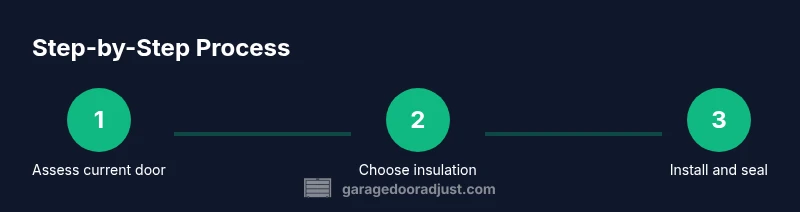
- Assess gaps and plan before buying insulation.
- Choose insulation compatible with your door type.
- Seal edges to prevent air leakage for best results.
- Regular maintenance extends insulation life.