Garage Door Insulation: A DIY Guide with Home Depot
A practical, step-by-step guide to insulating your garage door using Home Depot materials. Learn how to measure, choose the right insulation, install safely, seal gaps, and maintain energy efficiency.


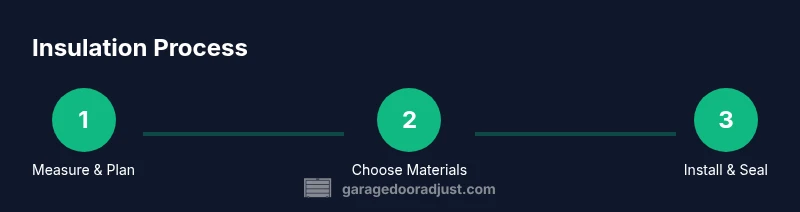
To insulate a garage door, you'll measure the door, choose a compatible insulation kit from Home Depot, and install weather seals. Start by checking for gaps, clean the surface, and cut insulation to fit each panel. Secure with adhesive or fasteners, then re-seal edges. This DIY approach reduces heat loss and improves comfort.
Why Garage Door Insulation Matters
According to GarageDoorAdjust, insulating a garage door helps reduce drafts, improves thermal comfort, and supports overall home energy efficiency. The gains you’ll see depend on climate, door type, and how well seams and edges are sealed. Proper insulation can also dampen noise from the outside and increase the door’s long-term durability by reducing temperature swings that stress materials. When homeowners plan a project around insulation, they typically evaluate door construction (single-panel vs. sectional), current seal integrity, and how much living space sits adjacent to the garage. A thoughtful approach—paired with the right materials from retailers like Home Depot—delivers the best balance of cost, ease, and performance.
Key takeaway: Prioritize a tight seal around the door perimeter and pick insulation rated for garage use to maximize energy savings and comfort.
Insulation Options You’ll Find at Home Depot
Home Depot stocks several insulation approaches that work well on garage doors, including rigid foam boards, fiberglass blankets, reflective foil wraps, and premade insulation kits designed for sectional doors. Rigid foam boards offer solid thermal resistance with minimal bulk, while fiberglass blankets provide flexibility for unusual geometries and can be trimmed to fit door panels. Reflective foils help reduce radiant heat transfer on sunny days, especially when used in combination with other insulating materials. When selecting, consider compatibility with your door type (sectional vs. single-panel), thickness, and the kit’s mounting system. Always inspect product labels for R-value guidance and installation notes. A thoughtful mix of materials can yield better results than a single product choice.
Tip: Look for products labeled for garage doors and check for UV resistance and moisture tolerance to prevent sagging or degradation over time.
How to Choose the Right R-Value and Fit
R-value communicates how well insulation resists heat flow. For garage doors, a higher R-value generally means better insulation, but it must fit the door without interfering with track movement or hardware. In milder climates, a modest R-value may suffice, while harsher climates benefit from higher resistance. Consider climate, door orientation, and whether the garage is attached to living spaces. Many homeowners opt for modular solutions that add thickness where needed without overburdening the door’s balance. Remember that installation quality matters as much as the material choice; gaps around edges can undermine even the best insulation.
Insight: Favor kits that provide precise panels or blankets sized for your door model and include easy-to-follow installation instructions. A proper fit minimizes cold spots and drafts.
Prep Your Door: Seal Gaps and Clean Surfaces
Before applying insulation, prepare the door surface to ensure strong adhesion and a clean finish. Wipe down panels to remove dust and oils, and repair any loose hardware or rust spots. Seal gaps around the door perimeter with weatherstripping or sealant to stop air leaks. If your door has irregularities (peaks, rivets, or raised sections), trim insulation carefully to maintain a smooth surface and uniform contact. A well-prepped surface helps insulation stay in place longer and reduces the need for touch-ups after installation. Always wear gloves and safety glasses during prep to protect against sharp edges and adhesives.
Note: If you see deep gaps around windows or panels, address those leaks first for maximum effectiveness.
Installation Scenarios: What to Expect at Home Depot
There isn’t a one-size-fits-all DIY solution for every garage door. Sectional doors benefit from kits designed to line each panel, while single-panel doors may use weather-stripping around the edges and a thinner insulation layer. For doors in humid or wet environments, moisture-resistant materials are essential to avoid mold growth and insulation degradation. Some kits include adhesive-backed foam or batt insulation that’s easy to cut with a utility knife. If you encounter heavy doors or bulky insulation, recruit a helper to maintain balance and prevent injuries. Always follow the manufacturer’s instructions regarding cutting, mounting, and curing times.
Warning: Do not over-thicken insulation if it interferes with door movement or creates interference with tracks. Balance and clearance are critical to safe operation.
Where to Buy Materials: Home Depot and Alternatives
Shopping for garage door insulation at Home Depot is common because of convenience and a wide selection of kits, boards, and weather-stripping options. Compare products by thickness, R-value, and compatibility with your door type. If a local store is missing a preferred kit, consider checking other retailers or online options that deliver to your home. When evaluating options, read customer reviews for real-world fit and performance, and verify the return policy in case the kit doesn’t match your door’s profile. GarageDoorAdjust emphasizes selecting materials that specifically advertise garage door use and easy installation.
Brand mention: The GarageDoorAdjust team recommends confirming product compatibility with your door model and using a kit that offers clear cutting guidelines and secure mounting hardware for a durable finish.
Authority Sources
For industry standards and best-practice guidance, refer to these reputable sources:
- https://www.energy.gov/energysaver/insulation
- https://www.epa.gov/indoor-air-quality-iaq
- https://www.nist.gov/topics/energy-efficiency
These resources provide foundational guidance on insulation performance, moisture management, and energy efficiency that informs homeowner decisions when insulating a garage door.
Tools & Materials
- Garage door insulation kit(Choose a kit compatible with your door type (sectional vs single panel).)
- Weatherstripping kit(Gaskets around the door perimeter to seal drafts.)
- Measuring tape(For door width, height, and panel dimensions.)
- Utility knife(To trim insulation to fit panel contours.)
- Adhesive or double-sided tape(Secure insulation to panels without sagging.)
- Caulk and exterior sealant(Seal visible seams after installation.)
- Gloves and safety glasses(Personal protective gear during cutting and mounting.)
Steps
Estimated time: 45-60 minutes
- 1
Measure and plan
Measure each door panel and surrounding area to determine cut sizes and total material needs. Plan for any obstructions like handles or tracks so you don’t cut too aggressively. A precise plan reduces waste and rework.
Tip: Double-check dimensions on a dry run using scrap paper before cutting insulation. - 2
Select insulation kit and prep door
Choose a kit designed for your door type and climate. Remove any loose hardware or debris from the surface and clean to ensure good adhesion. Inspect seals and replace damaged weatherstripping if needed.
Tip: Keep the insulation packaging handy for reference while cutting. - 3
Cut insulation to fit panels
Lay out insulation pieces and cut to panel shapes, leaving a small allowance for expansion. Use a straight edge to keep cuts clean and parallel to panel edges. Dry-fit each piece before mounting.
Tip: Trim in small increments to avoid overshoot. - 4
Attach insulation to panels
Apply adhesive or double-sided tape in a consistent pattern and press firmly to ensure full contact. Start at the top edge and work downward, smoothing out air pockets as you go.
Tip: Use clamps or helper hands when working on larger doors to maintain alignment. - 5
Seal edges and seams
Apply weatherstripping along door edges and seal visible seams with caulk. This step minimizes air leakage and prolongs insulation effectiveness.
Tip: Wipe away excess caulk before it cures for neater results. - 6
Test door operation and adjust
Reinstall any hardware, operate the door to check for binding or rubbing, and adjust as needed. If you notice binding, remove and reseat the affected insulation portion or trim more carefully.
Tip: Have a helper hold insulation steady while you test movement.
Got Questions?
What is the best insulation option for metal garage doors?
Rigid foam or insulated panel kits designed for sectional doors tend to perform well on metal doors. Ensure the kit fits your door profile and allows clearance for tracks and hardware.
Rigid foam or panel kits work well on metal doors; make sure it fits and doesn’t interfere with hardware.
Can I install insulation myself or should I hire a pro?
Most homeowners can complete a garage door insulation project with basic tools. Enlist a helper for heavy doors and meticulous alignment.
Most people can do this themselves with a helper for heavy doors.
Does Home Depot carry all insulation types?
Home Depot carries a range of garage door insulation options, including blankets, sheets, and reflective foils. Availability varies by store.
Home Depot has many options; call ahead to check stock.
Will insulating my garage door affect balance or operation?
Thicker, heavier insulation can affect balance. Choose a product with appropriate thickness and monitor door operation after installation.
Heavy insulation can affect balance; test operation after installing.
What maintenance is required after insulation?
Periodically inspect seals and edges for wear, reapply caulk as needed, and clean surfaces to maintain adhesion and performance.
Inspect seals periodically and refresh caulk as needed.
Watch Video
Quick Summary
- Measure accurately before buying materials.
- Choose insulation compatible with your door type and climate.
- Seal seams to prevent drafts and moisture ingress.
- Test door operation after installation and adjust as needed.