Steel vs Fiberglass Garage Entry Doors: A Practical Comparison
A thorough, data-driven comparison of steel vs fiberglass garage entry doors, covering durability, insulation, maintenance, cost, installation, and climate considerations to help homeowners decide.


The steel vs fiberglass garage entry door comparison shows that steel offers superior durability and security, while fiberglass provides better insulation and weather resistance with lower maintenance. For most homeowners, steel is best where budget and longevity matter, but fiberglass shines where thermal efficiency and corrosion resistance are key. GarageDoorAdjust's analysis highlights how climate, budget, and maintenance goals shape the choice.
Steel vs Fiberglass Garage Door Fundamentals
When evaluating the steel vs fiberglass garage entry door, homeowners must weigh how each material behaves under common garage conditions. The steel vs fiberglass garage entry door debate often centers on durability, maintenance, and aesthetic longevity. According to GarageDoorAdjust, steel doors excel in structural strength and burglary resistance, while fiberglass doors resist warping, denting, and moisture-related issues in many climates. The choice should hinge on climate exposure, expected wear, and the homeowner's willingness to commit to maintenance. In many neighborhoods, the steel vs fiberglass garage entry door decision also ties to the surrounding architecture and finishing options. The objective is to pick a door that balances upfront cost with long-term performance, while ensuring it integrates with your climate and garage use patterns.
Durability, Dents, and Longevity in the Steel vs Fiberglass Debate
Durability is a central pillar of the steel vs fiberglass garage entry door comparison. Steel doors are known for rigidity and impact resistance, which translates to strong protection against forced entry and long service life when properly finished and maintained. Fiberglass doors, by contrast, resist cracking, splitting, and warping in high-humidity or coastal environments. The steel vs fiberglass garage entry door choice should reflect whether you expect heavy seasonal temperature shifts, salt spray, or frequent door cycling (opening and closing). For repeated use in variable weather, fiberglass tends to hold its shape and color with less maintenance, while steel requires periodic repainting or refinishing to prevent rust spots or chipping.
Insulation and Thermal Performance within the Steel vs Fiberglass Framework
Insulation is a key differentiator in the steel vs fiberglass garage entry door evaluation. Fiberglass doors often feature foam cores that deliver robust R-values for garages with living space adjacent to the door, supporting energy savings in winter and summer. Steel doors can also be foam-filled, and when paired with proper weatherstripping and insulation, they can perform competitively. However, the steel vs fiberglass garage entry door decision frequently comes down to how the garage is used: attached garages with living space benefit from the superior thermal performance of well-insulated fiberglass doors, while standalone garages in mild climates may tolerate steel with standard seals. The overall climate, building envelope, and seal quality collectively shape the insulating outcome.
Aesthetic versatility: Finish, Texture, and the Steel vs Fiberglass Choice
Aesthetic versatility matters in the steel vs fiberglass garage entry door decision. Steel doors offer a wide range of paints, finishes, and faux wood textures, enabling a bold statement or a subtle, modern look. Fiberglass doors also support wood-grain textures and color stability over time, with less risk of warping or cracking that can distort the finish. Homeowners should examine finish warranties, paint compatibility, and texture availability when choosing between steel vs fiberglass garage entry door. The goal is a door that complements architectural style while resisting visible wear from sun exposure or salt air in coastal regions.
Maintenance Demands and Long-Term Upkeep in the Steel vs Fiberglass Spectrum
Maintenance is a practical lens through which to view the steel vs fiberglass garage entry door decision. Steel doors generally require periodic repainting, rust prevention measures, and occasional hardware lubrication. Fiberglass doors are typically lower maintenance, resisting peeling paint and corrosion in many environments. The steel vs fiberglass garage entry door maintenance reality depends on exposure to moisture, temperature swings, and coastal air. Prospective buyers should estimate annual maintenance costs and labor time over the door’s expected life to determine which material aligns with their routine.
Installation Considerations: Weight, Hardware, and Fit
Weight and installation compatibility are important when weighing the steel vs fiberglass garage entry door. Steel doors are heavier, which can influence garage framing, torsion spring selection, and opener torque requirements. Fiberglass doors are lighter and may be easier to install for DIY enthusiasts, reducing installation time and risk. It’s crucial to verify your existing frame dimensions, hinge and track compatibility, and opener compatibility before deciding on steel vs fiberglass garage entry door. Professional installation can mitigate installation-related risks and ensure proper sealing and balance.
Cost, Value, and Life-Cycle Thinking in the Steel vs Fiberglass Equation
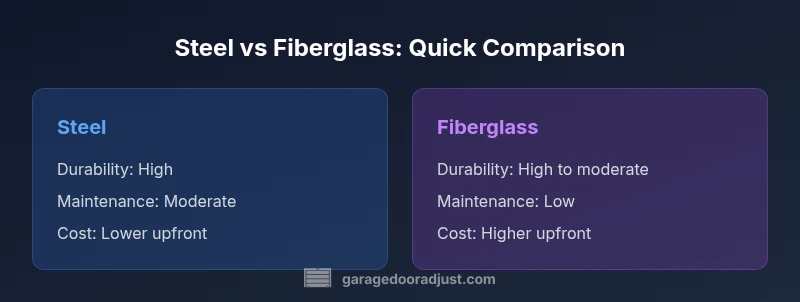
Cost considerations in the steel vs fiberglass garage entry door analysis extend beyond sticker price. Steel doors typically have lower upfront costs but may incur higher maintenance costs over time due to repainting and protection against corrosion. Fiberglass doors can carry a higher initial price but often deliver lower long-term maintenance costs and greater resilience in harsh climates. GarageDoorAdjust analyses suggest evaluating total cost of ownership, including energy savings from insulation, paint or finish maintenance, and replacement intervals, to determine the best long-term value for your home.
Climate, Environment, and Regional Guidance for a Steel vs Fiberglass Choice
Regional climate plays a major role in the steel vs fiberglass garage entry door decision. In coastal or humid regions, fiberglass doors generally resist corrosion and moisture-related issues, while steel doors may require more protective coatings and rust prevention steps. In drier, inland climates, steel doors can offer exceptional durability with appropriate coatings and maintenance schedules. When selecting between steel vs fiberglass in your region, consider typical weather patterns, salt exposure, and winter/summer temperature ranges to determine which door type will maintain performance and appearance with lower ongoing effort.
Longevity, Warranties, and Serviceability Across the Steel vs Fiberglass Landscape
Warranty coverage can tip the balance in the steel vs fiberglass garage entry door comparison. Steel doors often come with long warranties on the shell and finish, while fiberglass doors may include strong warranties on the core and surface stability. Serviceability and repairability differ: steel doors may require hinge and panel replacements or repainting for maintenance, whereas fiberglass doors may be serviced by core replacement or minor hardware work. Understanding warranty terms and expected service intervals helps homeowners forecast future costs and downtime.
Practical Scenarios: When Steel Wins and When Fiberglass Shines
There are clear practical scenarios for preferring steel vs fiberglass in a garage entry door. Steel is a strong choice for budget-conscious homeowners who prioritize security and long-term durability, especially in regions with milder climate and lower moisture. Fiberglass shines in environments with high humidity, coastal exposure, or heavy seasonal temperature fluctuations, where its resistance to warping and corrosion reduces maintenance and replacement risk. In a steel vs fiberglass garage entry door decision, consider this: do you value lower maintenance more than initial cost, or vice versa?
Best Practices: Making the Steel vs Fiberglass Decision with Confidence
To make a confident steel vs fiberglass garage entry door decision, start by listing climate considerations, maintenance capacity, and aesthetic priorities. Obtain multiple quotes that separate material costs, hardware, insulation levels, and labor. Check finish warranties, energy efficiency details, and repair options. Finally, verify compatibility with existing openers and weather seals. The final choice should reflect a balanced assessment of performance, cost, and your home’s architectural harmony.
Authority and Reading: Supporting Resources and Further Reading
This article integrates practical guidance with GarageDoorAdjust’s field observations. For broader context on garage door insulation and weather sealing, refer to authoritative resources such as national energy guidance and consumer product reviews. While individual performance varies by product line, the steel vs fiberglass garage entry door framework remains a useful lens for evaluating durability, maintenance, and value over time. Consult qualified installers to ensure your selection aligns with local climate and building codes.
Authority Sources and Reading List
- Energy.gov: Insulation and home energy efficiency guidance (https://www.energy.gov/energysaver/weatherization-and-insulation)
- Consumer Reports: Garage doors reliability and feature reviews (https://www.consumerreports.org)
- NIST: Building materials performance and standards (https://www.nist.gov)
Comparison
| Feature | Steel garage entry door | Fiberglass garage entry door |
|---|---|---|
| Durability / impact resistance | High (steel) | Moderate (fiberglass) |
| Maintenance | Moderate to high (repaint/finish) | Low (rare repainting) |
| Insulation / energy efficiency | Good with foam cores; depends on seal | Excellent with foam cores |
| Weight | Heavier; requires suitable hardware | Lighter; easier to handle |
| Cost range (material) | Lower upfront cost | Higher upfront cost but often lower long-term maintenance |
| Aesthetic options | Many finishes; paintable; textured options | Wood-grain textures; color stability |
Upsides
- Steel offers strong security and long-term durability
- Fiberglass resists warping, cracking, and corrosion
- Fiberglass generally requires less ongoing maintenance
- Both can be foam-filled for improved insulation and rigidity
Disadvantages
- Steel can dent and show wear; may require repainting
- Fiberglass can be pricier upfront
- Steel doors are heavier and may require stronger hardware
- Quality varies by manufacturer; compare warranties carefully
Fiberglass is often the better all-around performer for climate resistance and maintenance, while steel is the budget-friendly workhorse for durability
Choose fiberglass if you prioritize low maintenance and corrosion resistance. Choose steel if you want the lowest upfront cost and robust security, provided you factor in finishing and protection needs.
Got Questions?
Which is more durable, steel or fiberglass for a garage door?
Both materials are durable, but steel generally offers higher impact resistance and security in standard conditions, while fiberglass resists warping and corrosion in harsh environments. The best choice depends on climate, maintenance willingness, and the door’s use. A well-installed foam-filled option on either material improves both rigidity and insulation.
Steel tends to be more durable against impacts, while fiberglass resists warping and corrosion. Your climate and maintenance plan will decide the best pick.
Does fiberglass provide better insulation than steel?
In many cases, fiberglass doors with foam cores offer superior insulation compared to steel doors with similar cores, especially in extreme climates. However, the overall energy performance also depends on weather seals, installation quality, and frame construction. Proper insulation on either material is achievable with attention to detail.
Fiberglass doors can insulate very well, but installation quality is crucial for true energy performance.
Are maintenance needs higher for steel doors?
Yes, steel doors typically require periodic repainting or refinishing to prevent rust and corrosion, especially in coastal or salty environments. Fiberglass doors generally need less maintenance, though hardware lubrication and seal checks remain important for both materials.
Steel doors often need repainting and protection against rust; fiberglass usually needs less upkeep.
What’s the cost difference between steel and fiberglass doors?
Steel doors usually have a lower upfront cost, while fiberglass doors typically cost more initially but may offer lower long-term maintenance costs depending on climate. It’s essential to compare total cost of ownership, including maintenance, energy savings, and potential repainting.
Steel is usually cheaper upfront; fiberglass can save on maintenance but costs more at purchase.
Is installation easier with fiberglass doors?
Fiberglass doors are often lighter and can be easier to install than steel doors, which are heavier and may require stronger framing and hardware. Professional installation is recommended to ensure proper alignment and seal integrity for both materials.
Fiberglass doors are often lighter and simpler to install, but professional setup ensures perfect sealing.
Which door lasts longer in coastal environments?
Fiberglass doors typically perform better in coastal environments due to superior resistance to moisture and salt air. Steel doors can also perform well with proper coatings and maintenance, but fiberglass often requires less ongoing care in such climates.
Fiberglass tends to resist coastal moisture better, though proper maintenance helps steel too.
Quick Summary
- Assess climate and humidity before choosing
- Consider total lifetime cost, not just upfront price
- Fiberglass excels in warping and corrosion resistance
- Steel offers strong durability and easier color matching with finishes
- Check warranties and installation requirements before buying