How to Install a Garage Door Screen: A Practical Guide
Learn how to install a garage door screen with a clear, safe plan. This guide covers measurements, kit selection, mounting, and maintenance for a bug-free, ventilated garage space.


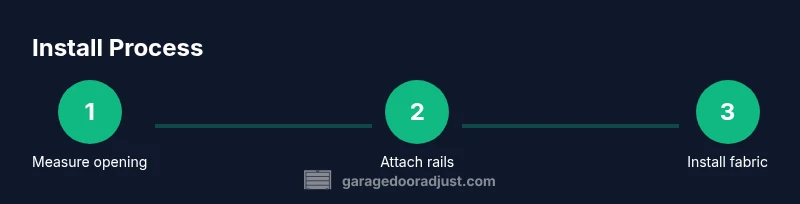
Goal: install a garage door screen to keep bugs out while letting fresh air in. You’ll need a screen kit, measuring tape, level, drill, screws, ladder, and a helper. Quick steps: measure the opening, choose a kit with a top rail, mount rails around the frame, attach the screen fabric, trim any excess, and test the door for smooth operation.
Understanding the benefits of installing a garage door screen
Installing a garage door screen is a practical upgrade that transforms an ordinary opening into a versatile living space. When the door is open, a quality screen keeps insects out and allows air to circulate, helping to reduce humidity and improve comfort during warm months. For homeowners aiming to preserve natural light and access, a well-installed screen preserves the door’s aesthetic while offering a functional alternative to fully opening the overhead door. According to GarageDoorAdjust, choosing the right frame material and fabric tension is essential to avoid sagging and to maintain a clean, professional look over time. The best setups blend with the door’s hardware and weather seals, creating a seamless transition between inside and outside. In this section we’ll lay the groundwork for selecting a kit, sizing the opening, and planning support points to ensure durability as seasons change.
As you proceed, remember that the goal isn’t merely to install a fabric panel, but to preserve the door’s balance, operation, and safety features. A correctly fitted screen helps extend the life of the door and can contribute to energy savings by reducing drafts through the opening. Keeping these higher-level considerations in mind will guide your measurements, tool choices, and mounting strategy as you move forward.
Assessing your opening and screen options
Every garage opening is unique, which means there isn’t a one-size-fits-all screen. Start by examining the doorway’s width, height, and the type of frame that surrounds the opening. If your garage has a fixed bottom track or a segmented rail system, you’ll want a kit that accommodates those features or a modular design that can adapt to uneven walls. Magnetic, Velcro, and zipper-seal models each offer different levels of ease, weather resistance, and durability. For a typical residential setup, most screens use a lightweight aluminum frame with a taut fabric panel that folds away when not in use. It’s important to confirm compatibility with insulated doors if your garage room temperature is a concern. Throughout this assessment, keep notes on hinge placements, track clearance, and potential obstructions that could impact screen operation. A well-chosen kit will minimize gaps and misalignment while offering straightforward maintenance.
Measuring for the right screen kit
Accurate measurements are the cornerstone of a successful install. Start by measuring the overall width of the opening at three vertical points (top, middle, bottom) and record the smallest measurement as the true width. Repeat the process for height, measuring from the ground to the top rail at the left, center, and right sides to catch any slope. Note any protrusions like weatherstripping, mounting brackets, or trim that could affect rail placement. If you’re dealing with an asymmetrical opening, consider a kit that includes adjustable corner brackets to maintain square corners. Always measure twice, cut once, and bring a detailed sketch or photo to the hardware store to confirm kit components align with your opening. The goal is a snug fit that leaves no gaps where insects could slip through.
As you finalize measurements, think about operation space: the screen should not impede the door’s travel or create a snag point on contact with the track. If your measurements suggest an unusual configuration, look for a modular kit or professional consultation to avoid costly errors. Understanding these factors early helps you choose the correct frame width, panel height, and mounting options before any tools leave the toolbox.
Tools, materials, and safety considerations
Before you begin, assemble a basic toolkit and confirm you have all required components for the screen kit. Essential items include a measuring tape, level, drill, drill bits suited to your wall material, a screwdriver, and a utility knife for trimming fabric. You’ll also need the screen frame pieces, fabric screen, corner brackets, screws, and mounting hardware supplied with your kit. Optional but helpful items include a rubber mallet, clamps, and a helper to hold rails steady during installation. Safety comes first: wear eye protection when drilling, keep hands clear of moving parts, and unplug power sources when working near electrical outlets. If your garage has concrete walls, use masonry bits and wall anchors to secure rails reliably. For wooden frames, standard wood screws are typically sufficient. By organizing tools and materials in advance, you’ll reduce on-site confusion and ensure a smoother mounting process.
Step-by-step overview: prep and anchor rails
Preparing the doorway is a critical initial phase. Clear the opening of debris, ensure the door is balanced, and inspect the tracks for any obstructions. Mark the top alignment line with a level and pencil to guide rail placement. Attach the top rail or header piece first, ensuring it is perfectly level to avoid skewed fabric tension. Secure the rail with the recommended fasteners, taking care not to overtighten and strip anchors. Once the top rail is anchored, position and fasten side rails, checking that each corner remains square. A stable frame sets the foundation for a taut screen and smooth door operation. If you encounter uneven walls, use shims to maintain a straight, flush fit without introducing gaps that could trap dirt or hinder movement.
Step-by-step overview: install screen fabric and frame
With rails securely in place, slide the fabric panel into the frame, following the manufacturer’s instructions for fastening options (spline, clips, or screws). Ensure the fabric remains wrinkle-free and evenly taut as you secure each edge. Attach corner braces or joiners to lock the frame’s shape, then trim any excess fabric using a sharp utility knife, taking care not to nick the frame. Recheck the fabric tension along all sides; a sag-free surface is essential for clear visibility and long-term durability. If your kit includes weather seals, install them along the outer edge to minimize drafts and keep the screen seating flush against the frame. Finally, test the door’s range of motion and verify that the screen doesn’t bind or lift during operation, adjusting fasteners if needed.
Common installation pitfalls and how to avoid them
Avoid common mistakes that can compromise screen performance. Do not rush the alignment—spent time ensuring rails are perfectly square; misalignment can cause gaps and fabric sag. Never overtighten screws; overdriving can warp rails and reduce frame life. Stay mindful of door balance; a heavy or misaligned screen can put extra strain on the opening and affect the opener’s operation. If you encounter stubborn tracks or irregular openings, consider a modular kit with adjustable corners or seek professional assistance. Finally, store extra fabric or components properly to prevent damage from moisture or sunlight exposure. This proactive approach helps your screen last longer and keeps maintenance minimal.
Maintenance tips to extend screen life
To maximize the lifespan of your installed screen, perform light cleaning every few months using a soft brush or cloth to remove dust and insects. Inspect the fabric for signs of wear, such as tears, fraying, or thinning at the edges, and address small issues before they grow. Check the rails and corners for looseness and re-tighten fasteners if needed. Keep the area around the opening clear of debris that could press against the frame when the door moves. If you notice persistent sag, re-tension the fabric or consult the kit’s guidelines for re-spring options. By treating the screen like a movable part of the door system, you’ll preserve both function and aesthetics over time.
Tools & Materials
- Measuring tape(Minimum 25 ft for large openings)
- Laser or bubble level(Ensure rails are perfectly level)
- Drill with masonry/wood bits(Choose bit to match wall anchors)
- Screwdriver (Phillips or flat, as needed)(Match screw heads to anchors)
- Utility knife(Trim fabric cleanly)
- Rubber mallet(Gently seat frame components)
- Screen kit (frame + fabric)(Select size to match opening)
- Screws and wall anchors(Use masonry anchors for concrete)
- Level spacer or shims(Fine-tune alignment)
- Ladder(Safe access to upper rails)
- Safety glasses(Eye protection during cutting/drilling)
Steps
Estimated time: 45-75 minutes
- 1
Prepare the opening
Clear debris and verify door balance. Inspect tracks for obstructions and ensure there is room to maneuver the rails. This step prevents alignment issues later.
Tip: Have a helper hold components while you align the first rail. - 2
Mark top alignment
Use a level to draw a straight line where the top rail will sit. A level line ensures the frame remains square throughout installation.
Tip: Double-check verticals at three points before drilling. - 3
Attach the top rail
Secure the top rail with the recommended fasteners, ensuring it remains level. Avoid overtightening which could distort the frame.
Tip: Leave a small gap at corners to allow for fabric slack. - 4
Install side rails
Mount side rails, checking for square corners. The framework should sit flush against the wall without bending.
Tip: Use clamps temporarily if needed to hold rails in place. - 5
Insert fabric into frame
Slide the screen fabric into the frame per kit instructions. Keep fabric taut to prevent wrinkles and ensure even tension
Tip: Work from center toward edges to prevent puckering. - 6
Secure corners and edges
Fasten corner braces or joiners to lock shape. Trim any excess fabric with a sharp knife for a clean edge.
Tip: Check fabric tension after final edge is secured. - 7
Seal and test
Install weather seals if included and test door motion. Confirm there are no snags and that the screen moves smoothly with the door.
Tip: Test with the door at multiple heights to ensure full range. - 8
Final inspection
Do a final walk-through to verify alignment and screen tautness. Re-tighten any loose screws and store extra hardware properly.
Tip: Keep a small maintenance kit handy for quick checks.
Got Questions?
Do I need to remove the entire garage door to install a screen?
Most installations do not require removing the door; many kits fit around the existing track. If your kit is larger than the opening or requires rail removal, follow the manufacturer’s instructions and consider professional help for safety.
You usually don’t need to remove the door. If a kit demands rail removal, follow the instructions or hire a pro for safety.
Will a screen affect door balance or safety features?
A well-fitted screen should not affect door balance or safety. Ensure the frame is aligned and that it does not obstruct tracks or spring hardware. If you notice resistance or unusual movement, pause and recheck mounting.
A properly installed screen won’t affect balance. If you feel resistance, recheck alignment.
Can I install a screen on an insulated garage door?
Yes. Choose a screen kit designed for insulated doors or one with a slimmer profile. Ensure seals around the edges can accommodate the extra thickness without binding the door.
Yes—just pick a kit compatible with insulated doors and verify edge seals.
What maintenance is recommended after installation?
Regularly clean the fabric, inspect for tears, and check rail fasteners for tightness. Replace or re-stretch fabric if sagging occurs. Schedule a seasonal check to maintain airflow and keep the frame sturdy.
Clean the fabric and inspect the frame every season to keep it working well.
What should I do if the screen tears?
Small tears can sometimes be repaired with a patch kit or by replacing the affected fabric panel. For larger damages, consider replacing the entire screen kit to restore full function and appearance.
For tears, patch if small, or replace the panel if it's large.
Are magnetic or Velcro screens as secure as framed screens?
Magnetic and Velcro screens are convenient but may not be as durable in high-traffic areas. Framed screens typically provide greater rigidity and a longer lifespan, especially in busy garages.
Framed screens tend to last longer; magnets and Velcro are easier but less sturdy.
Watch Video
Quick Summary
- Measure opening accurately before buying a kit
- Square rails ensure a taut, durable screen
- Test door motion after install and adjust as needed
- Perform regular maintenance to extend screen life