How to Change a Garage Door
Learn how to safely change a garage door with a complete step-by-step guide. Get planning tips, tool lists, safety precautions, and installation best practices for a reliable, secure door.


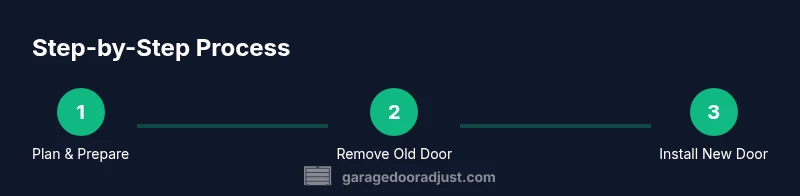
This guide teaches homeowners how to safely change a garage door, covering planning, safety, removal of the old door, installation of the new one, and testing operation. It includes essential tools, step-by-step actions, and maintenance tips to ensure a reliable, secure result.
Why changing a garage door matters
A modern garage door does more than just open and close. It enhances security, energy efficiency, and curb appeal, while reducing maintenance when you pick a door designed for your climate. If your current door is bent, warped, noisy, or misaligned, it can compromise safety and insulation. Replacing it with a properly installed door can save you money on heating and cooling, improve weather sealing, and lower the chance of unexpected failures. According to GarageDoorAdjust, planning the project with a clear scope and safety mindset sets you up for a smoother, safer install and a longer-lasting result. Take time to evaluate the opening height, track layout, and opener compatibility before you buy. This decision also impacts long-term maintenance needs and energy efficiency, so thoughtful planning pays back over time.
Planning and safety before you start
Before you lift a finger, map out the project. Decide whether you will DIY or hire a pro for specialized tasks like spring work or track alignment. Check local codes and potential permits; some jurisdictions require inspections or permits for door replacements. Make a master plan that lists the new door model, required hardware, and the sequence of steps. This reduces the chance of missing parts or misplacing hardware. GarageDoorAdjust analysis shows that homeowners who outline a plan and budget for extra hands have fewer delays and safer results. It also notes that door weight and spring type can dramatically affect installation complexity. In general, if you encounter torsion springs, or you lack proper lifting equipment, it's safer to hire a trained technician.
Measuring for your new door
Accurate measurement is the foundation of a smooth installation. Start by measuring the width and height of the rough opening at multiple points, noting any variation. Verify headroom and backroom to accommodate tracks and the door panels, and plan for weather seals and insulation. Write down the numbers, then compare them to the door model’s specifications. Always measure with a helper to avoid misreads and errors. A common pitfall is assuming the current door fits the new model without checking the frame; use a tape measure, level, and square to confirm plumb and square in three dimensions.
Removing the old door and preparing the opening
Safety first: disconnect the power to the opener and stand clear of springs. Remove the door from the tracks, then detach the tracks, rollers, and any hardware from the opening. Keep the parts organized and take photos as you go so you can reassemble in the right order. Clean the opening surface and inspect the frame for damage; repair or reinforce as needed before installing the new tracks. This stage can be physically demanding, so recruit a helper and take breaks to avoid fatigue.
Installing the new door panels and tracks
With the new door kit, assemble the sections off the doorway if your model requires it, then lift them into the opening and seat them in the tracks. Install the vertical tracks and cross rails, ensuring they are plumb and square. Fasten the panels and tracks per the manufacturer’s instructions; keep hardware organized and avoid overtightening. Check alignment by manually raising and lowering the door to verify smooth movement. See Diagram A in your installation manual for reference and use temporary supports to prevent rolling or shifting during assembly.
Balancing, safety checks, and re-connecting the opener
Balance the door by adjusting springs or counterbalance components according to the door’s weight and the manufacturer’s guidelines. Do not attempt spring work without proper training; if springs are involved, hire a pro to avoid serious injury. After balancing, test the door’s travel and reverse mechanism using the opener’s auto-reverse feature and the manual test. Reconnect the opener, reattach safety sensors, and test remote and wall-switch operation from both sides of the door. Ensure all fasteners are snug and the weather seal is seated evenly along the bottom.
Maintenance and safety after installation
Lubricate moving parts with a light-weight garage door lubricant, focusing on hinges, rollers, and tracks. Inspect cables and springs for signs of wear during the first month of use, and replace any worn components promptly. Schedule annual safety checks, including track alignment, balance tests, and sensor calibration. Keep a maintenance log and replace weatherstripping as needed to maintain energy efficiency. Proper maintenance extends door life and reduces noise and draft.
Authority sources
- Energy.gov: Home energy efficiency and weather sealing for attached garages. https://www.energy.gov
- CPSC: Garage door safety standards and precautions. https://www.cpsc.gov
- OSHA: General safety guidelines for home improvement and lifting heavy loads. https://www.osha.gov
Our final notes on installation safety
Replacing a garage door can dramatically improve security, energy efficiency, and convenience, but it is not risk-free. If you encounter heavy springs, misaligned tracks, or structural damage, pause and seek professional help. The GarageDoorAdjust Team recommends prioritizing safety and using a pro for the most dangerous steps to avoid personal injury and property damage.
Tools & Materials
- Cordless drill(High-torque, with wood and metal bit sets; ensure charged battery.)
- Socket wrench set(Include 1/4" and 3/8" sockets; metric and SAE sizes as needed.)
- Pliers (slip-joint and needle-nose)(For gripping, bending, and removing fasteners.)
- Screwdrivers (Phillips and flat-head)(Magnetic tips recommended to hold screws.)
- Measuring tape (25 ft or longer)(For opening dimensions and component placement.)
- Level(Ensure tracks are plumb and door sits level.)
- Safety glasses(Eye protection during cutting, drilling, or lifting.)
- Work gloves(Protect hands from sharp edges and hardware.)
- Step ladder or scaffold(Access high tracks safely.)
- C-clamps (optional)(Helpful for securing parts temporarily.)
Steps
Estimated time: 6-8 hours
- 1
Disconnect power and prepare workspace
Turn off and unplug the garage door opener to prevent movement while you work. Verify all safety devices are deactivated and clear the area of vehicles and obstacles. Gather tools, wear protective gear, and review the manufacturer’s instructions for your door model.
Tip: Double-check the opener is unplugged; never rely on the wall switch. - 2
Remove the door opener from the tracks
Release the trolley and disconnect the opener from the door. Detach any linkage and move the opener away from the tracks to prevent interference. If your model uses a belt or chain, consult the manual before removal.
Tip: Take photos of the setup before removing parts to aid reassembly. - 3
Remove old door panels and tracks
With help, remove panels sequentially and detach the tracks from the opening. Label hardware and organize parts as you go, since reassembly requires the exact sequence. Inspect the opening for damage and clean surfaces before installing new tracks.
Tip: Do not rush; heavy panels require coordinated lifting with a partner. - 4
Prepare opening and install new tracks
Measure the rough opening and set total height to align tracks. Secure vertical tracks plumb and attach bottom brackets. Use shims to correct height and test track alignment with a straight edge.
Tip: Verify headroom and backroom to accommodate the door and weather sealing. - 5
Install door panels and horizontal tracks
Lift the door sections into the opening and seat them in the tracks. Attach cross rails and ensure panels align with seams. Tighten fasteners per the manufacturer’s torque specs and check that panels move smoothly.
Tip: Keep teammates close to guide panels and prevent misalignment during lifting. - 6
Balance and safety checks
Balance the door using the proper springs or counterbalance system as specified. If springs require winding bars or you aren’t trained for spring work, hire a pro. Verify safe travel by manual raise/lower and auto-reverse testing with the opener.
Tip: Never stand under a door when adjusting springs; mis-tension can cause sudden movement. - 7
Reconnect opener and test operation
Reconnect power and test the door with the opener from both sides. Check photoelectric sensors, limit switches, and force settings; make small adjustments as needed for smooth opening and closing. Confirm the door closes fully and seals along the bottom edge.
Tip: Test with the remote, wall switch, and keypad to ensure consistent performance. - 8
Finalize safety and maintain
Tighten all fasteners, apply lubrication to hinges and rollers, and inspect weatherstripping. Document maintenance tasks for future reference and schedule annual checks for balance and safety devices.
Tip: Record maintenance dates and any replacement parts used. - 9
Evaluate results and budget for upkeep
Review the door’s performance over several days of use and note any abnormal sounds or stiffness. Plan for routine inspections and potential future upgrades to weather seals or insulation.
Tip: Keep a safety-first mindset; if anything feels off, pause and reassess with a pro.
Got Questions?
Is it safe for a homeowner to replace a garage door themselves?
Replacing a garage door is feasible for skilled DIYers, but it involves heavy components and potentially dangerous spring systems. If you lack proper training or equipment, hire a pro. Always follow the manufacturer’s instructions and use appropriate safety gear.
Replacing a garage door is possible for experienced DIYers, but springs are dangerous. Use caution and consider hiring a pro.
Do I need permits to replace a garage door?
Permit requirements vary by location. Some areas allow simple door replacements without a permit, while others require inspections or structural permits for changes to framing or support. Check with your local building department.
Check local codes; permits depend on your area.
How long does a typical door replacement take?
A professional replacement often takes a day. If you’re DIY, plan for longer, depending on your experience, door type, and any unforeseen issues with tracks or springs.
Most installs take a day with a pro; expect longer if you’re DIY.
What maintenance should I do after installation?
Lubricate moving parts, test sensors and balance, tighten hardware, and inspect weather stripping. Schedule annual checks to keep the system reliable and efficient.
Lubricate, test safety sensors, and check alignment annually.
Can I replace only parts of the door, or should I replace the whole assembly?
Partial repairs can fix tracks, weatherstripping, or hardware. If springs, cables, or framing are damaged, a full door replacement is usually best for long-term reliability.
Often you can replace parts like tracks, but springs may require a full replacement.
What should I look for in a replacement door?
Seek doors with appropriate insulation, durable materials, weather sealing, and compatible hardware with your opener. Check warranty terms and local climate suitability to maximize energy savings and longevity.
Look for insulated panels, good weather seals, and proven warranties.
Quick Summary
- Plan thoroughly before starting.
- Measure twice, ensure plumb.
- Wear safety gear and use the right tools.
- Don’t attempt risky spring work; hire a pro.
- Test door operation and safety devices after installation.