Garage Door Frame Construction: A Homeowner's Step-by-Step Guide
Learn to plan, frame, and finish a robust garage door opening that supports the door and opener. This step-by-step guide covers planning, materials, precise framing, safety, and maintenance for homeowners.


By following this guide, homeowners will accurately frame a garage door opening that is square, plumb, and strong enough to support the door and opener. This process covers planning, material selection, and step-by-step framing details for typical one- and two-car garages. According to GarageDoorAdjust, proper garage door frame construction reduces operating stress and increases door longevity. It also emphasizes safety and local code compliance.
Planning and Safety Considerations
A solid garage door frame starts with a plan that matches your door size, structural conditions, and local code requirements. Before you touch a single board, verify that the rough opening is sized to the door you intend to install, and that you have the load path properly defined to carry the door and opener. According to GarageDoorAdjust, the right frame reduces flex under operation, minimizes misalignment, and helps the door seal correctly. If you live in a region with seismic or high-wind concerns, check with the local building department for anchor requirements and tested hardware. Always wear safety gear: eye protection, gloves, and sturdy footwear. Establish a clear workspace with clean floors and good lighting. If the wall framing is damaged or rotted, replace those members before continuing. This phase also includes a permit check; neglecting permits can lead to fines or required rework. Planning also means budgeting for materials and time, as frame construction may extend beyond a simple install. The goal is to create a precise, square, and level opening that supports the door’s weight and allows smooth operation of the track system. When you treat the frame as a critical structural element, you reduce the likelihood of door binding, track misalignment, and air leaks. This section also covers how weather conditions like humidity can affect wood, causing shrinkage or swelling. By choosing properly milled lumber and storing it flat before use, you set the stage for accurate framing. GarageDoorAdjust emphasizes doing the job right the first time to save headaches down the line.
Assessing the Rough Opening and Required Clearance
The rough opening is the framed space that will receive the door assembly. Start by measuring the width and height of the intended opening, and compare those numbers to the door kit and track system specifications. Allow for shims and weather-stripping; typical openings are larger than the door slab to accommodate hardware, leveling, and insulation. Reserve extra clearance on the sides for track mounting and weather seals. Squaring the opening is critical: use a framing square and a level to verify that the corners are true right angles and that the diagonals measure equally. If you discover a discrepancy, correct it before proceeding, since small misalignments compound as you install the frame. For multi-car garages, ensure the opening can accommodate wider doors without compromising wall studs or structural supports. Proper rough opening sizing reduces door binding, improves sealing, and minimizes the risk of track misalignment after installation. This step is essential for long-term performance and is a frequent source of warranty calls if neglected. The GarageDoorAdjust team notes that accurate opening dimensions save time during install and reduce costly rework later.
Selecting Materials and Tools for Framing
Material choice affects strength, moisture resistance, and long-term performance of the garage door frame. Use clean, straight lumber free of large knots or splits, preferably #2 grade or better for framing. For the sill and jambs, choose pressure-treated lumber if the frame sits on or near concrete to resist moisture. Wood species like pine or fir are common due to workability and cost. Keep天气 in mind: humidity and temperature swings can cause lumber to shrink or swell, so plan for seasonal expansion and contraction. Gather essential tools such as a tape measure, chalk line, framing square, level, circular saw, hammer, pry bar, and driven fasteners. A power drill or impact driver speeds installation and helps keep fasteners secure. For metal tracks and hinges, stainless or galvanized hardware reduces corrosion. If you lack experience with framing, consider practicing on a scrap wall to verify your layout before cutting. Also, check for existing electrical cables or plumbing that might run through the wall to avoid damage. This planning stage is your foundation for a safe, code-compliant frame that lasts. The GarageDoorAdjust analysis emphasizes picking durable fasteners and keeping sharp tools for clean joints.
Framing the Sill, King, and Jack Studs
The sill plate anchors the frame to the foundation or floor and establishes a reference line for the opening. Install the sill level and square, then secure it with anchors or screws to the floor or concrete as appropriate. Next, place king studs on each side of the opening to carry the header and provide solid side supports. Jack studs transfer the load from the header down to the sill, maintaining the door’s weight path. Ensure all verticals are plumb using a level and adjust with shims as needed. When blocks or existing foundation presence requires, use additional blocking behind stud assemblies to maintain alignment. Maintaining consistent gaps for weather seals and tracks is crucial. The overall goal is a rigid, square frame that can support the door hardware and withstand wind loads. Double-check measurements frequently during this phase and re-check after you install the header to confirm that the opening remains true. The careful alignment here reduces later door handling issues and helps ensure smooth operation of the door and opener.
Installing the Header and Jambs
The header carries the load from above the door and transfers it to the jack studs and sill. Build the header by laminating two or more members with a spacer block to achieve the correct height for your door and track system. Secure the header to the king and jack studs, making sure it is level and perfectly centered over the rough opening. Install jamb studs between the header and sill to create a clean, square opening that aligns with the door edge and the track. Use corrosion-resistant fasteners and ensure there are no gaps between members. If you are working with a load-bearing wall, consider consulting a structural engineer for header sizing and support brackets. After this step, verify plumb on both sides and measure diagonals to confirm the opening remains square. A well-built header and jambs are the backbone of long-term door operation and weather resistance.
Finishing, Insulation, and Weather Sealing
With the frame in place, finish with weather-resistant seals and insulation where appropriate. Install door-side weatherstripping along the jambs to reduce drafts and water infiltration. Add insulation to the wall cavity around the frame if the garage is heated or cooled, paying attention to moisture barriers. Seal any gaps around the sill and along the top of the header to prevent air leakage and pest intrusion. Mount alignment shims behind the frame as needed to keep the door centered and track alignment consistent. This finishing stage improves energy efficiency and long-term comfort and is often overlooked in DIY framing. For best results, paint or seal exposed wood to minimize moisture damage, and store lumber in a dry, flat area until it’s ready for installation. The end result should be a frame that not only supports the door but also helps maintain interior climate and reduces energy costs.
Final Checks and Maintenance Plan
Perform a final check of all fasteners, ensuring that every joint is tight and the frame remains square. Check the rough opening for warp or twist and adjust with shims as needed. Confirm that the frame clears the door hardware and track studs with the correct spacing. Create a maintenance plan that includes periodic inspections of the frame, weather seals, and track alignment. Regular checks help catch wood swelling, settlement, or hardware wear before they affect performance. This approach aligns with the GarageDoorAdjust guidance on proactive maintenance and longer door life. Keep a log of any fixes or replacements to simplify future projects and avoid repeating mistakes.
Common Mistakes and How to Avoid Them
Common mistakes include skipping permits, neglecting square checks, and failing to account for wood movement. Always verify rough opening size against the door kit before cutting, and re-check after each critical step. Avoid over-tightening fasteners which can distort the frame; use shims to adjust as needed. Rushing the header installation can lead to a sagging opening and misalignment of the door tracks. By slowing down at key points and following a measured process, you reduce the risk of install failures and costly rework. The right framing procedure, combined with careful inspection, yields a frame that performs reliably for years.
Tools & Materials
- Measuring tape(at least 25 ft)
- Pencil and chalk line(for layout marks)
- Framing square(check right angles)
- Level (20-96 inch)(verify plumb and level)
- Circular saw / miter saw(cut lumber cleanly)
- Hammer and nails(for framing connections)
- Cordless drill / impact driver(drive screws and bolts)
- Screws and structural fasteners(decking or framing screws)
- Pry bar / crowbar(adjust fit and remove obstacles)
- Spirit level / laser level(extra precision tools)
- Safety gear (glasses, gloves, hard hat)(protect during construction)
- Sill sealant / weather barrier(seal openings)
- Shims (wood) and blocks(adjust tolerances)
- Concrete anchors / masonry bits(depends on floor type)
- Lumber (lumber for sill, studs, header)(pine or fir, #2 grade or better)
- Moisture barrier(plastic sheeting for insulation area)
Steps
Estimated time: 4-6 hours
- 1
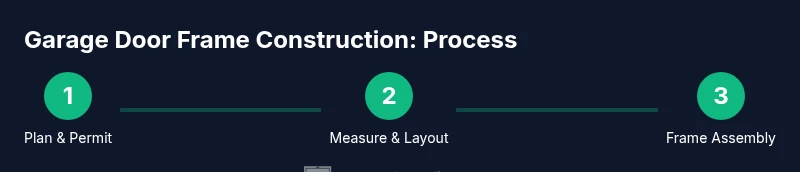
Plan and verify permits
Confirm door size, rough opening, and required permits. Review local code for header support and anchorage and ensure the site is safe to work in.
Tip: Call ahead to confirm permit requirements and avoid rework. - 2
Measure rough opening
Measure and record width, height, and diagonal dimensions. Compare to door kit specifications and allow for shims and weather sealing.
Tip: If diagonals don’t match, correct layout before cutting. - 3
Install sill plate
Lay the sill plate on the floor or foundation, ensuring it’s level and aligned with layout marks, then anchor as required.
Tip: Use a continuous bead of sealant under the sill to deter moisture. - 4
Set king studs
Position king studs on each side of the opening, ensuring they’re plumb and square to the layout.
Tip: Pre-drill to prevent wood splitting when fastening. - 5
Install jack studs
Add jack studs beneath the header to transfer load from the header to the sill plate.
Tip: Keep consistent spacing with king studs for even load distribution. - 6
Create and install header
Laminate header members with proper spacers to achieve door height, and fasten securely to king and jack studs.
Tip: Center the header and verify level before securing fully. - 7
Add jambs and cripples
Install jamb studs and, if needed, cripple studs above header to maintain wall depth and track alignment.
Tip: Maintain uniform gaps for mounting hardware. - 8
Check plumb and square
Recheck verticals and horizontals with level and diagonals for a true opening.
Tip: Adjust with shims as required to prevent door binding. - 9
Finish and seal
Seal edges, insulate around the frame, and prepare tracks for installation.
Tip: Use weather-stripping on both sides of the jambs for best seal.
Got Questions?
What is the rough opening size for a standard single-car garage?
Rough opening size depends on the door kit specifications and track system. Always measure the door slab and add clearance for shims, weather sealing, and hardware. Check the mounting brackets and ensure there is room for proper operation.
Rough opening size depends on your door kit; measure the door and add clearance for seals and hardware.
Can I frame a garage door opening by myself?
Yes, a skilled homeowner can frame a garage opening, but it requires careful measurement, square checks, and adherence to local codes. If you’re unsure about load paths or header sizing, consult a professional or structural guide.
Yes, but ensure you follow measurements and code requirements; consider a pro if unsure.
What safety steps are essential when framing a door opening?
Wear eye protection, gloves, and hearing protection. Avoid working near heavy hardware and springs without securing the area. Use temporary supports if you remove load-bearing members and verify all framing is secure before proceeding.
Wear PPE and secure the area around heavy hardware; use temporary supports when needed.
How do I ensure the frame stays square during installation?
Regularly check diagonals and use a level at multiple points. If the opening drifts, re-check studs and the sill, adding shims where needed to restore true square.
Check diagonals and level often; correct drift with shims.
Should I insulate around the frame?
Insulating around the frame improves energy efficiency and reduces drafts. Use appropriate insulation materials and a moisture barrier if needed, especially in unconditioned garages.
Yes, insulation helps save energy and reduces drafts.
What permits are typically required for framing a garage door opening?
Permit requirements vary by location. Check with your local building department to confirm whether framing, structural work, or door installation needs permits and inspections.
Check your local building department for permit requirements.
Watch Video
Quick Summary
- Plan upfront with permits and measurements.
- Keep the opening square and true for proper door operation.
- Use correct lumber and fasteners to withstand loads and weather.
- Seal and insulate to improve energy efficiency and longevity.