How to Install Garage Door Opening Screens: A Complete DIY Guide
Learn to choose, measure, install, and maintain garage door opening screens with a practical, safe approach. This 2026 guide covers kit types, tools, safety, and cost expectations for homeowners.


You will learn how to select, measure, install, and maintain garage door opening screens to improve airflow while keeping pests out. The guide covers kit options, safety steps, and common installation pitfalls for a successful DIY project. Use this as a practical reference for year-round comfort.
What are garage door opening screens?
Garage door opening screens are lightweight, removable or retractable barriers designed to cover the open door area while allowing airflow. They come in various forms—mesh panels, retractable screens, magnetic corners, and snap-in frames—each aiming to keep insects, debris, and pests out without blocking ventilation. When installed correctly, these screens help you enjoy fresh air without the worry of swarming pests or dust entering the garage. For homeowners, garage door opening screens offer a practical balance between outdoor access and indoor cleanliness, especially in warmer months when the garage doubles as a workshop or hobby space.
In practice, you’ll look for screens that fit your door width, door height, and any track or weather seal constraints. The right screen will sit flush against the opening and stays secure during wind or vehicle traffic. Remember that a well-fitted screen preserves the life of your door and opener by reducing the amount of dirt and moisture that can reach the door hardware.
According to GarageDoorAdjust, using durable, purpose-built screens tends to yield the best long-term results for airflow without sacrificing protection. This is especially true when you pair the screen with proper maintenance and periodic checks.
Benefits of garage door opening screens
Opening screens improve airflow and reduce moisture buildup in garages that double as workspaces or laundry rooms. They also cut down on UV exposure to stored items and minimize dust infiltration. For homes with occasional pests, screens are a simple prevention method that helps keep bugs out while allowing you to enjoy fresh air.
Beyond comfort, screens offer a straightforward DIY upgrade that often doesn’t require major carpentry skills. The cost range is typically lower than full door replacement and can be installed using common tools. With quality materials and proper installation, you’ll gain a functional barrier that’s easy to remove when you need a full open garage for big projects.
GarageDoorAdjust analysis shows that well-fitted screens can encourage better humidity control and reduce the frequency of deep cleaning in the doorway area, contributing to a healthier garage environment.
Screen types and their pros and cons
There are several screen formats to consider:
- Mesh panels: Flexible, affordable, and easy to install. Pros include straightforward maintenance and good airflow. Cons may include lower durability in high-wind settings.
- Retractable screens: Store away when not in use; ideal for large openings or frequent access. Pros include a seamless look and flexible airflow. Cons can be higher costs and potential wear at the hinge mechanism.
- Magnetic or snap-in screens: Quick to install, low-profile, and relatively inexpensive. Pros include tool-free installation and simple removal. Cons can include looser fits in windy conditions.
- Heavy-duty fiberglass or vinyl screens: More durable and weather-resistant, suitable for frequent use or outdoor exposure. Pros include longevity; cons include higher upfront cost and potential rigidity.
When selecting a type, consider how often you open the door, the weather in your area, and whether you want a semi-permanent or temporary solution. A well-chosen screen will tolerate seasonal changes while preserving airflow and pest protection.
Based on GarageDoorAdjust research, choose screens designed to fit your specific door dimensions and to work with your existing weather seals for best results.
Measuring for the right fit
Accurate measurements are essential for a snug, secure fit. Start by measuring the door width at the top, middle, and bottom to account for any arch or bow. Record the smallest width as your base. Next, measure door height in three places (left, center, right) and use the smallest measurement to avoid gaps.
Account for hardware: if your door uses side tracks, weather stripping, or a fixed bottom seal, ensure the screen frame can clear these obstructions. If you’re choosing a retractable system, check the housing depth and mounting surface to avoid interference with the door track. Always write measurements down and double-check them before purchasing a kit.
For best results, compare your measurements with the screen kit’s stated opening range. A precise fit reduces gaps, improves insect protection, and minimizes wind flutter that can loosen fasteners over time. GarageDoorAdjust emphasizes measuring twice and selecting a kit that supports at least 1/4 inch clearance around the frame.
Choosing between DIY kits and custom frames
DIY screen kits offer a quick, cost-effective solution that can be installed in under an hour for standard openings. Pros include low cost, simple instructions, and readily available components. Cons can be a less-than-perfect fit for unusual openings or irregular edges.
Custom frames provide a precise fit for challenging door openings, taller or wider spaces, and doors with irregular tracks. Pros include cleaner aesthetics and improved airtightness. Cons are higher upfront costs and longer lead times.
If you’re new to DIY projects, start with a ready-made kit for a standard doorway. If your opening has odd dimensions or you’ve previously experienced gaps, consider a semi-custom or fully custom frame solution. GarageDoorAdjust recommends starting with a kit and evaluating if an upgrade is necessary after a trial period.
Preparation: safety, surfaces, and prep steps
Before you lift a tool, clear the work area and remove any loose items from the door opening. This prevents tripping hazards and ensures you can access the frame or track without obstructions. Disconnect any nearby power sources to avoid accidental activation of the opener while working near the door.
Clean the door opening surfaces to remove dust, oils, or old sealant. A clean surface helps screen adhesive or mounting hardware grip the frame more securely. If you have weather seals or foam prefilters, place them gently aside for later reinstallation.
For taller or heavier openings, have a second person assist with lifting and positioning. Safety should be your primary consideration, especially if you’re working near the door springs or cables. GarageDoorAdjust notes that calm, methodical preparation reduces errors and increases the likelihood of a successful install.
Installation overview: what to expect
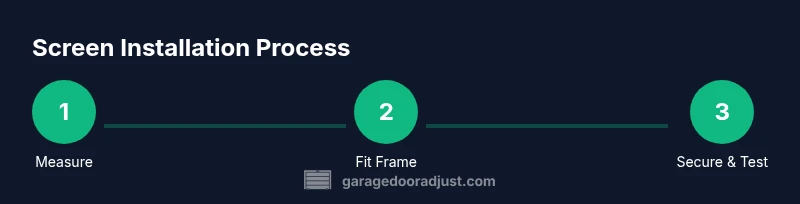
A typical installation follows a clear sequence: measure and select the kit, prepare the opening, align the screen frame, mount the frame using screws or magnetic fasteners, and finally test for fit and ease of use. Some kits require adding corner brackets or rain guards to improve stability in windy environments.
Expect some minor trimming if your kit uses an adjustable sleeve. It’s common to trim the screen frame slightly to accommodate slight variances in door geometry. After securing the frame, test the door opening by opening and closing the door several times to ensure the screen remains flush and does not interfere with the track.
If you encounter resistance or misalignment, pause and re-check measurements. A small misstep now can lead to a poor seal later. GarageDoorAdjust recommends verifying the gap along the entire perimeter and ensuring the bottom edge sits evenly on the threshold.
Maintenance and care to maximize life
Regular cleaning helps screens stay clear of dirt, dust, and insect matter. Gently rinse with a mild soap solution and let air dry. Inspect for tears or loose fasteners after storms or heavy use. Small tears should be repaired promptly; adhesive patches or patch kits are often available for minor damage.
Store retractable screens properly when not in use to prevent creasing and hinge wear. For magnetic or snap-in screens, replace worn magnets or clips as needed to preserve alignment. Keeping tracks clean and lubricated with a light, manufacturer-approved lubricant can extend life and improve operation. Regular checks help you catch wear before it becomes a bigger issue.
GarageDoorAdjust emphasizes routine inspection as part of seasonal maintenance—especially in areas with high winds or heavy pollen that can accumulate at the frame.
Troubleshooting common issues
If the screen doesn’t sit flush, re-check the measurements and confirm the frame size matches the kit’s opening range. Uneven gaps may indicate a bowed door or a misaligned frame. Re-seat the frame and ensure it is level across all corners.
A fluttering screen or loose edges usually means fasteners, magnets, or clips have loosened. Tighten screws, reseat magnets, and replace any worn clips. If the screen sticks when opening or closing, test with the door in a slow, controlled motion to identify interference.
Gaps at the bottom can allow pests or debris to bypass the screen. Check the threshold seal and adjust the frame height slightly to close the gap. If weather seals are damaged, replace them to maintain both climate control and insect protection. GarageDoorAdjust recommends a methodical approach to diagnose issues and a measured replacement when needed.
Budgeting and value: cost considerations
Screening options span a broad price range. DIY kits commonly run from the low hundreds or less for basic mesh systems, with larger or more robust kits reaching into the mid-range. Custom frames or premium materials may push costs higher, but they offer superior fit for irregular openings and longer lifespans.
Remember to factor in installation time as a cost. If you’re hiring help or scheduling a professional assessment, expect additional fees that reflect local labor rates. When budgeting, compare total costs against the benefits of improved airflow, reduced pests, and potential energy savings from better garage ventilation. GarageDoorAdjust notes that starting with a mid-range kit often provides a good balance between cost and performance, with room to upgrade later if needed.
Tools & Materials
- Measuring tape(至少 2 m (6 ft) for wide openings; measure width and height at multiple points)
- Level(Ensure frame stays plumb; use a short spirit level for corners)
- Utility knife(For trimming excess frame material (if kit requires it))
- Screwdriver set(Philips and flat-head for mounting hardware)
- Pliers(Helpful for stubborn fasteners or magnets)
- Scissors or tin snips(For cutting screen mesh if using a DIY panel)
- Screen kit (mesh/retractable/magnetic)(Choose based on opening size and mounting style)
- Ladder(Needed for high door openings or mounting hardware near the top)
- Masking tape and cleaning cloth(Tape edges during fitment; wipe surfaces before mounting)
Steps
Estimated time: 60-90 minutes
- 1
Measure opening and choose kit
Take precise width and height measurements at multiple points. Compare to kit specifications and select a screen type that provides at least 1/4 inch clearance around all sides.
Tip: Measure twice; slight differences in height or width can affect fit. - 2
Prepare the opening
Clear debris, clean surfaces, and remove any existing seals in the path of the frame. Ensure the door is in the fully open position and secured.
Tip: Safety first: keep hands clear of tracks and springs. - 3
Position the screen frame
Lay the screen frame or kit against the opening and align with chalk lines or marks. Use a helper if the frame is large.
Tip: Check both corners to confirm the frame sits squarely. - 4
Mount corner fasteners or brackets
Attach corner brackets or magnets according to the kit instructions. Start with the top corners and move downward.
Tip: Tighten gradually and recheck level after each corner. - 5
Test fit and align
Open and close the door a few times to verify smooth operation and proper sealing along edges.
Tip: If you feel rubbing, pause and adjust the frame height slightly. - 6
Trim and finish
Trim any excess frame material if required and seal edges with manufacturer-recommended sealant or trim covers.
Tip: Avoid over-trimming; you want a snug, not loose, edge. - 7
Clean up and store
Wipe down surfaces, return tools, and test the system again after a short cooldown.
Tip: Document any parts that wore quickly for future replacements.
Got Questions?
Do garage door opening screens affect insulation or weather sealing?
Screens primarily affect airflow and pest protection. When installed with proper seals and thresholds, they have minimal impact on insulation. If you notice drafts, review the bottom seal and frame alignment.
Screens mainly influence airflow and pest control. If you notice drafts, check the bottom seal and frame alignment and adjust as needed.
Can I install screens on existing tracks or with an automatic opener?
Yes, many screen kits are designed to fit openings integrated with existing tracks and openers. Choose a kit that accommodates the door’s track depth and ensure no obstruction during operation.
Most kits fit standard tracks and openers, but verify depth and clearance before buying.
Are retractable screens better for tall doors?
Retractable screens are convenient for tall or wide openings because they store away when not in use. They can be pricier but offer a clean look and easy operation.
Retractable screens work well for tall doors; they store away and look neat, though they can cost more.
What maintenance is recommended for garage door opening screens?
Regular cleaning with mild soap, inspecting for tears, and checking fasteners keep screens in good condition. Replace worn magnets or clips and re-seal edges as needed.
Clean periodically, check for tears, and replace worn parts to keep the screen working well.
Can screens interfere with the garage door opener?
If installed correctly, screens should not interfere with the opener. Verify that the screen does not obstruct the track or sensor area and test the door after installation.
When installed properly, screens won’t block your opener. Test the door after installing.
How long do garage door opening screens last?
Lifespan depends on material and climate. High-traffic areas with frequent use and strong winds may wear components faster. Regular maintenance helps extend life.
Durability varies with climate and use; maintain screens to extend their life.
Watch Video
Quick Summary
- Understand your opening to choose the right screen type.
- Accurate measurements prevent gaps and flutter.
- Start with a kit; upgrade to custom if necessary.
- Safety and prep reduce installation issues.
- Proper maintenance extends screen life and performance.