Eco Garage Doors: A Step-by-Step Guide for Homeowners
A comprehensive, step-by-step guide to selecting, installing, and maintaining eco-friendly garage doors for energy efficiency, durability, and a smaller environmental footprint.


Eco garage doors blend insulation, sustainable materials, and durable hardware to lower energy use and maintenance. They deliver long-term savings when installed correctly with quality weather seals and a reliable opener. This guide helps homeowners choose, install, and maintain eco-friendly doors, including how to evaluate insulation, materials, and long-term costs. Learn practical steps, safety tips, and how to maximize energy savings while preserving curb appeal.
What are eco garage doors?
Eco garage doors are energy-conscious entry systems designed to minimize energy use, reduce maintenance, and extend the life of the home. They combine insulation, sustainable materials, and robust hardware to create a door that stands up to weather while keeping heat in winter and cool air in summer. In practice, eco doors focus on three pillars: insulation, airtight seals, and durable, low-impact materials. According to GarageDoorAdjust, homeowners who prioritize eco-friendly choices often see noticeable improvements in comfort and operating costs over the lifespan of the door. These doors are not just about materials; the way they are installed, sealed, and integrated with your garage opener matters as much as the panels themselves. When evaluating options, look for recycled-content steel, wood-composite panels with formaldehyde-free adhesives, high-quality weatherstripping, and finishes that resist peeling and fading without harmful chemicals. The goal is a durable, low-maintenance system that reduces environmental impact while maintaining convenience and curb appeal.
Energy efficiency and insulation in eco doors
Energy efficiency in eco garage doors comes from better insulation, high-quality weather seals, and careful panel design. Insulated cores reduce heat transfer and work in tandem with tight seals along the jambs and bottom gasket to minimize air leaks. When shopping, compare door assemblies by their overall thermal performance rather than just a single feature. R-value or equivalent metrics may be provided by manufacturers; choose doors with thicker insulation, continuous seals, and properly insulated tracks. In practice, the best eco doors use a combination of foam-injected cores, foam-filled panels, and edge seals that compress reliably when the door closes. Pair these doors with an energy-smart opener that has soft-start routines and power-down features to prevent wasted electricity. Regular maintenance of weatherstripping—replacing worn gaskets and cleaning tracks—preserves performance. GarageDoorAdjust analysis shows that incremental improvements in sealing and insulation compound over time to create real energy savings, especially when the door is used frequently. The goal is a consistent, comfortable garage environment with reduced energy usage.
Materials and finishes to look for in eco doors
Choosing materials for eco doors means balancing durability, recyclability, and indoor air quality. Look for steel doors with recycled-content and powder-coated finishes for longevity, aluminum doors with lightweight yet strong properties, or wood-composite panels that use formaldehyde-free adhesives. For the exterior, select low-VOC paints or coatings that resist fading while minimizing emissions. Hardware should be corrosion-resistant and compatible with long-term operation; consider stainless steel rollers and torsion springs designed for durable performance. Finishes that are certified low-VOC help keep the garage environment healthier, especially when the door is opened and closed daily. If you live in a humid climate, select doors with moisture-resistant cores and edge seals that prevent mold growth. By prioritizing sustainable sourcing and long-lasting materials, you can minimize replacement cycles and waste while still achieving a polished, modern look for your home.
Installation considerations for eco doors
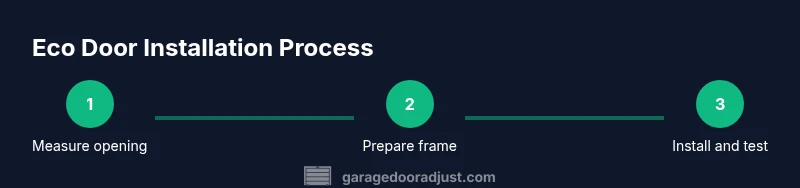
Proper installation is critical to the performance of eco garage doors. Start with a precise measurement of the opening to ensure panels fit snugly and the tracks align true. Weather sealing across the entire perimeter prevents drafts and moisture intrusion, boosting energy efficiency. If you are upgrading an existing frame, you may need to adjust framing or replace support brackets to accommodate heavier, insulated panels. Use manufacturer-recommended fasteners and torque specs to avoid warping. An energy-aware opener should be paired with the door to minimize startup energy and prolong motor life. Whenever possible, opt for a pro installation, especially when dealing with torsion springs or sectional door systems; improper tension can create safety hazards and reduce performance. After installation, test the door operation at multiple speeds and temperatures to verify consistent sealing and movement.
Maintenance and longevity of eco doors
To maximize the life of your eco garage door, schedule regular maintenance, focusing on seals, lubrication, and hardware inspection. Inspect weatherstripping for wear and replace as needed to keep the door airtight. Lubricate moving parts with a silicone-based product to avoid dust attraction and residue buildup. Check the tracks for debris and clean them to prevent binding or noisy operation. Test safety features monthly to ensure the automatic reversal is functioning correctly. For sustainability, opt for high-quality, durable coatings that resist UV damage, so doors retain their appearance for years. If you notice decreased insulation efficiency, inspect the insulation cores and seals for gaps; small improvements here will compound over time and support energy savings. Finally, partner with a reputable installer for periodic inspections and potential component replacements.
Common mistakes and practical tips
Common mistakes include choosing a door based on price alone, neglecting weather sealing, and underestimating the importance of proper alignment. Take time to compare certifications that emphasize sustainability and prolonged performance. A sloppy seal around the frame can negate insulation gains, while misaligned tracks can wear rollers prematurely. Pro tip: focus on a complete package—insulated cores, durable seals, and a quality opener—rather than single features. Also, avoid cheap finishes that peel or fade quickly. A well-chosen eco garage door that's properly installed will deliver energy savings and enduring curb appeal for years.
Design ideas and cost considerations for eco doors
Designing with sustainability in mind doesn't mean sacrificing style. Eco garage doors come in a wide range of finishes, panel styles, and hardware that complement modern and traditional homes. Consider light-colored exterior coatings for heat reflection or darker tones with UV-resistant finishes for a premium look. In terms of cost, expect a price range driven by material choice, insulation level, and hardware quality; while initial costs may be higher, long-term energy savings and lower maintenance can lower the total cost of ownership. Always compare warranties and ensure the installer provides a detailed energy performance summary. By planning ahead and selecting eco-friendly options, you can enjoy a durable, stylish door that aligns with your green goals.
Tools & Materials
- Measuring tape(to verify opening dimensions)
- Spirit level(for plumb and level alignment)
- Cordless drill/driver(for fasteners and hardware)
- Screwdrivers (Phillips and flat)(for small fasteners and weatherstripping)
- Caulk and sealant gun(seal gaps around frame)
- Weatherstripping kit(install door seals)
- Lubricant (silicone-based)(smooth moving parts)
- Safety equipment (gloves, goggles)(protect during installation)
- Ladder or step stool(access door components)
- Tape for marking(mark alignment points)
- Torque wrench (optional)(torque hardware if specified)
Steps
Estimated time: 4-6 hours
- 1
Assess and plan
Evaluate current door opening, weather seals, and layout. Decide on the eco door type (steel, aluminum, or wood composite) and any insulation enhancements. Confirm clearance for installation and remote opener compatibility.
Tip: Take precise measurements of height, width, and headroom; mis-sizing is the most common install issue. - 2
Prepare opening and remove old hardware
Clear the area around the opening and safely disconnect the existing opener. Remove any hardware that could interfere with the new door, and protect structural surfaces during removal.
Tip: Label cables and tracks to simplify reassembly and alignment. - 3
Position the door sections
With a helper, lift and align door panels or the prefabricated door into the opening. Check for square fit and level alignment along the sides and header.
Tip: Use shims to achieve perfect square and plumb before fastening. - 4
Attach tracks and hardware
Secure tracks, hinges, and rollers per manufacturer guidelines. Ensure fasteners are tight but not over-torqued to avoid warping the frame.
Tip: Follow torque specs exactly to avoid deformation. - 5
Install insulation and seals
Install any recommended insulation batts or foam and apply weatherstripping to door edges for airtight closure.
Tip: Do not overly compress insulation; allow for proper expansion and sealing. - 6
Install opener and safety features
Mount the opener, connect it to the door, program safety reversal, and set travel limits. Verify torsion balance and install manual release where needed.
Tip: Test safety reversal with a small object on the floor to ensure it stops reliably. - 7
Final checks and testing
Open and close the door several times to check operation, adjust tension, ensure quiet movement, and confirm weatherproofing around the frame.
Tip: Document settings and keep a maintenance log for future service.
Got Questions?
What qualifies as an eco garage door?
An eco garage door uses energy-efficient materials, tight seals, and sustainable or recycled components to reduce energy use and environmental impact. Look for doors with high insulation value, low-VOC finishes, and durable hardware.
Eco doors use energy-efficient materials and tight seals to reduce energy loss.
Do eco garage doors cost more upfront?
Eco doors can have a higher upfront price due to insulation and sustainable materials, but long-term energy savings often offset the cost. Compare total ownership rather than upfront price alone.
They may cost more at installation, but you can save on energy over time.
How does insulation affect performance?
Insulation reduces heat transfer, keeps your garage warmer in winter and cooler in summer, and lowers the load on your home HVAC system. Select doors with solid insulation and proper seals.
Insulation keeps the space comfortable and lowers energy use.
Can existing frames accept eco doors?
In many cases yes, but you may need frame adjustments or weatherstripping updates. A professional assessment ensures safe and compliant installation.
Usually, but you may need frame tweaks.
How often should eco doors be maintained?
Inspect weatherstripping, lubricate moving parts, and check safety features every 6-12 months. Regular maintenance prolongs life and preserves energy performance.
Maintain seals and moving parts regularly.
Are there eco-friendly finishes available?
Yes. Look for low-VOC paints and coatings, as well as finishes designed for durability and minimal environmental impact.
Low-VOC finishes are available and effective.
Watch Video
Quick Summary
- Inspect and plan before ordering an eco door.
- Prioritize insulation and weather sealing for real energy savings.
- Professional installation improves safety and performance.
- Maintain seals and moving parts to extend life.
- The GarageDoorAdjust team recommends prioritizing durable, energy-efficient designs and proper installation for best long-term value.