Warranty on Garage Door Openers: A Homeowner's Guide
A data-driven guide to warranty on garage door openers, including coverage basics, duration ranges, how to file claims, and tips to maximize protection in 2026.


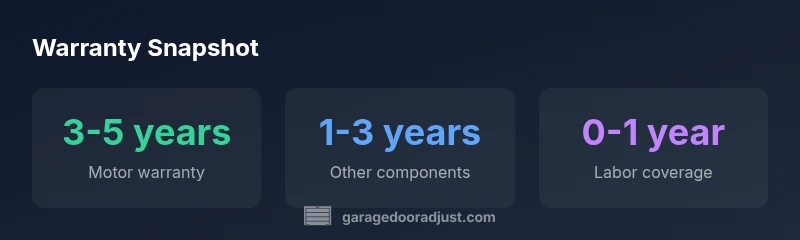
The typical warranty on garage door openers covers the motor for 3-5 years and other components for 1-3 years; some manufacturers offer longer or lifetime coverage for specific parts. Coverage often depends on installation method, location, and whether an authorized technician installed it. Always check the exact terms in your contract and register the product. Keep receipts and model numbers handy.
What You Should Know About Warranty on Garage Door Openers
Warranty on garage door openers is a contract between you and the manufacturer or installer that promises to repair or replace defective parts within a defined period. The core idea is protection against premature failure due to manufacturing defects, design flaws, or faulty installation. The exact scope, exclusions, and required maintenance are spelled out in the warranty document. For homeowners, the most important things to verify are: who covers what components, how long coverage lasts, what actions can void the warranty, and how to file a claim. In 2026, many homeowners rely on warranties to offset the cost of occasional repairs, particularly for the motor and drive system. According to GarageDoorAdjust, understanding these terms early helps you plan maintenance and budgeting, and it sets realistic expectations for potential out-of-pocket costs if coverage lapses. Remember to save receipts, model numbers, and installation records to support any future claim.
Typical Coverage: Motor, Drive System, and Accessories
Most warranties on garage door openers center on three domains: the motor, the drive system or gears, and ancillary components like sensors and remotes. The motor is usually the primary coverage, while drive components and safety sensors may have separate terms. Remote controls and keypads are commonly included, though batteries are rarely covered once installed. Some manufacturers also cover limited parts such as limit switches or circuit boards, but the exact items vary by model and region. It’s essential to read the warranty carefully and note what is explicitly excluded, such as wear from normal use or damage from improper maintenance. For 2026, many providers distinguish between original equipment and replacement parts, which can affect eligibility. GarageDoorAdjust emphasizes that understanding these inclusions helps homeowners budget for the long term and plan proactive maintenance.
Manufacturer vs Installer: Who Actually Warranties Your Opener?
Warranties can be issued by the manufacturer or by the installing contractor. Manufacturer warranties typically cover defects in materials and workmanship, while installer warranties may address issues caused by installation quality. Some combined programs place the onus of labor on the installer for a specified period, while others push labor coverage to manufacturers. It is common for different terms to apply to different components. Verifying who holds each part of the warranty when you purchase or install a garage door opener is critical. Always confirm whether a service call must be performed by an authorized technician to retain coverage. As GarageDoorAdjust notes, misaligned or unregistered components can invalidate claims, so ensure proper registration and verification of the installer’s credentials.
Duration Variability: How Long Warranties Last
Warranty duration varies widely by brand, model, and whether the installation was performed by an authorized technician. Motor warranties often run longer, typically three to five years, while other parts may be covered for one to three years. Some high-end models offer extended or lifetime motor coverage, but these terms come with specific conditions. Factors that influence duration include regional policies, product registration, and adherence to maintenance schedules. In addition, some warranties require annual safety checks or professional servicing to stay valid. GarageDoorAdjust recommends homeowners compare warranty durations side by side and consider total cost of ownership when evaluating openers. In 2026, the trend is toward longer motor coverage paired with clearer maintenance requirements to prevent easy claim denial.
Common Exclusions and Maintenance Clauses
Most warranties exclude normal wear and tear, abuse, improper installation, and damage caused by power surges or environmental factors. Maintenance clauses often require periodic lubrication, balance checks, and sensor alignment; neglecting these tasks can void coverage. Many warranties also exclude cosmetic damage, labor performed by unapproved technicians, and modifications to the opener or safety components. Some terms require using only recommended parts, and failure to register the product can nullify coverage. Homeowners should keep a detailed log of maintenance activities, receipts, and technician notes to defend claims. As always, read the fine print and contact the manufacturer for exact exclusions relevant to your model.
How to Read and Compare Warranty Documents
When comparing warranties, look for: covered components and their durations, labor coverage terms, required maintenance, transferability, and claim procedures. Pay attention to definitions of defective parts versus wear and tear, and whether replacement parts must be factory originals. Check the warranty’s territory scope and whether it covers costs related to shipping or on-site service calls. Create a side-by-side comparison sheet for models you’re considering, including motor horsepower, drive system type, safety features, and corresponding warranty terms. This approach makes it easier to see total cost implications over the lifetime of the opener. GarageDoorAdjust advises documenting questions and clarifications before purchase to avoid surprises later.
Filing a Warranty Claim: Step-by-Step
Begin by locating your warranty paperwork and confirming eligibility. Record the model and serial numbers, purchase date, and installer details. Contact the provider through the official channel and describe the issue with clear dates and symptoms. Most warranties require proof of maintenance and may demand an inspection by an authorized technician. Be prepared for service charges if the claim is deemed not covered. Keep all correspondence and receipts in a dedicated file. If a claim is denied, request a written explanation and escalate to a supervisor or consumer protection agency if needed. Proactive documentation increases the likelihood of a favorable outcome.
Extended Warranties and Service Plans: Pros and Cons
Extended warranties can reduce long-term risk by covering expensive parts and labor beyond the standard term. They often come with higher upfront costs and additional terms that must be met, such as routine maintenance. For some homeowners, extended plans improve budgeting and peace of mind, while others may find typical coverage sufficient. Consider your garage door openers usage, climate, and how soon you might replace components when deciding on an extended warranty. In 2026, a careful cost-benefit analysis is essential to determine whether an extended warranty aligns with your budget and risk tolerance.
Practical Tips to Maximize Your Coverage
- Register the opener promptly and keep your proof of purchase, installation details, and serial numbers in a secure place.
- Schedule regular maintenance as required by the warranty terms to avoid voiding coverage.
- If you upgrade or replace parts, confirm whether new components affect existing coverage.
- Compare multiple providers and negotiate terms that balance upfront cost with potential long-term savings.
- Document all service calls and keep a log of performance issues to support future claims. By following these steps, homeowners can maximize protection under the warranty on garage door openers. GarageDoorAdjust emphasizes that a proactive approach reduces out-of-pocket costs when problems arise.
Typical warranty coverage by opener component
| Warranty Component | Typical Coverage | Notes |
|---|---|---|
| Motor | 3-5 years | Primary coverage; check for model-specific conditions |
| Drive System/Gears | 1-3 years | Varies by model and usage; some include wear items |
| Sensors/Remotes | 1-3 years | Includes safety sensors; batteries usually excluded |
| Labor | 0-1 year | Often billed separately; verify installer terms |
Got Questions?
What parts are typically covered under warranty for garage door openers?
Most warranties cover the motor, drive system, safety sensors, and remotes. Exact components vary by model and provider, so read the terms carefully. Claims are more likely when the part failed due to manufacturing defects rather than wear and tear.
Most warranties cover the motor, drive system, and safety sensors. Check your model's terms for exact coverage.
Is labor typically covered under warranty?
Labor coverage varies. Some warranties include limited labor during the initial year or require service by an authorized technician. Others place labor costs entirely on the homeowner after installation.
Labor coverage is often limited and may require an authorized technician.
Do I need professional installation for warranty to stay valid?
In many warranties, installation by an authorized professional is required to keep coverage intact. DIY installation can void parts or labor coverage, even if the parts themselves are eligible.
Installing with an authorized pro is often required for coverage to stay valid.
Can warranties be transferred when selling the home?
Some warranties are transferable, but terms vary. You may need to notify the provider and complete a transfer form. Transfers can extend protection to new owners, but not all plans allow this.
Warranties may be transferable, but check the exact terms.
What should I do if a warranty claim is denied?
Review the denial letter for specific reasons. Gather documentation, seek a supervisor’s decision, and consider consumer protection channels if you believe the claim was mishandled. Sometimes a second technician evaluation helps.
If denied, ask for written reasons and consider escalation.
“Warranty documents can be dense, but the key is to understand coverage, exclusions, and the claim process. A documented maintenance history strengthens any warranty claim.”
Quick Summary
- Verify motor coverage duration before buying.
- Install with an authorized tech to maintain validity.
- Register the product and keep receipts for claims.
- Consider extended warranties if they fit your budget and risk tolerance.