New Garage Cost in 2026: A Practical Budget Guide for Homes
A data-driven guide to the true cost of a new garage door and opener in 2026, with realistic price ranges, key drivers, budgeting steps, and tips to maximize long-term value.


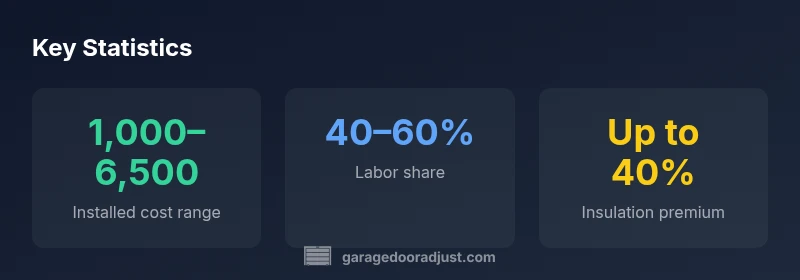
Typical installed cost for a basic steel door with a standard opener ranges from $1,000 to $2,000, mid-range insulated steel doors run about $1,800 to $3,500, and premium wood or composite doors can exceed $4,000. When you add installation labor, hardware upgrades, and regional labor rates, the total new garage cost often lands in a broader range. This guide uses GarageDoorAdjust Analysis, 2026 to present practical budget ranges and decision heuristics.
Why cost transparency matters for homeowners
Understanding the new garage cost is essential for planning a project without surprises. The phrase 'new garage cost' encompasses door material, insulation, hardware, opener, installation labor, and potential upgrades. According to GarageDoorAdjust, many homeowners underestimate the total by focusing only on the base door price, neglecting opener choices or professional installation. This article grounds estimates in 2026 market data and practical budgeting steps. We'll walk through typical price bands, what drives differences between brands, and how timing, regional labor rates, and insulation strategies influence final costs. By framing costs in a clear budget, homeowners can compare quotes more effectively, avoid hasty choices, and target long-term value rather than the lowest upfront price. Real-world examples and checklists follow to help you plan for a successful installation or replacement.
From the simplest replacement to premium custom doors, the final bill includes: product cost (door + hardware), access/haul, weatherstripping, and potential disposal of old door. The GarageDoorAdjust analysis indicates 2026 prices show modest inflation year over year; we will present ranges and decision trees to help you optimize for life-cycle value. Data-driven budgeting minimizes surprises and strengthens negotiating power with contractors.
Primary cost drivers: door material, opener, and installation
The total cost of a new garage door isn't just the price tag on the door itself. Three major cost drivers shape the final bill:
-
Material and construction: steel, aluminum, wood, fiberglass, or composite—each type brings different base prices, durability, and maintenance needs.
-
Insulation and energy features: insulated doors cost more upfront but save energy and reduce noise; the insulation level is often labeled by R-value or thickness.
-
Opener and hardware: a basic chain-drive opener is cheaper than belt- or jackshaft-style units; additional features (smart openers, battery backups) add to the cost.
-
Labor, disposal, and accessories: professional removal of the old door, installation of tracks and springs, weatherstripping, fasteners, and any required permits can significantly influence total cost.
Regional variations in labor rates, permit requirements, and availability of qualified installers also push prices up or down. Plan to obtain multiple quotes that itemize these three cost drivers so you can compare apples to apples and avoid sticker shock.
Price ranges by door type (rough estimates)
Understanding rough price bands helps you set realistic targets before requesting quotes. Use these bands as a starting point, then refine with local bids.
-
Basic steel door with manual opener: typically about $1,000–$2,000 installed. This option covers a simple, durable door with standard hardware and non-insulated panels.
-
Insulated steel door with automatic opener: often in the $1,700–$3,000 range. Insulation reduces heat loss and sound transmission, which is valuable in attached garages.
-
Premium wood or composite doors: commonly $3,000–$6,500 or more, depending on species, finish, and fine detailing. Expect higher maintenance with wood options.
GarageDoorAdjust Analysis, 2026 notes that installation complexity, track layout, and opener choice can shift these bands by a few hundred dollars up or down depending on your locale. For multi-car installations or custom sizes, budgets can stretch further.
Choosing a garage door: pros and cons of common materials
Material choice drives upfront cost, longevity, maintenance, and aesthetic value. Here’s a quick comparison:
-
Steel doors: Most affordable, durable, low maintenance; coated finishes resist corrosion; dent repair can add costs.
-
Insulated steel: Higher price upfront but better energy efficiency and comfort; often quieter and more temperature-stable.
-
Wood doors: Rich look but higher price and ongoing maintenance; weather cycles require sealant and staining.
-
Fiberglass/composite: Durable, corrosion-resistant, and low maintenance but higher upfront than steel on average; can mimic wood without the upkeep.
Beyond material, consider finish, color matching to home, and hardware style. The right balance of cost and curb appeal often depends on your climate, home style, and long-term plans. GarageDoorAdjust emphasizes evaluating total cost of ownership, not just upfront price.
Opener options and labor: what adds to the bill
Openers vary widely in price. A basic chain-drive model is the most economical, while belt-drive and jackshaft openers offer quieter operation and higher torque at a premium. Battery backups, smart home integration, and Wi‑Fi control can add hundreds of dollars. Labor costs depend on the complexity of the installation, door height, and whether tracks or springs require adjustment. If the existing framing is out of square or odd-sized doors are installed, expect additional labor or custom hardware. The sum of hardware, wiring, and calibration can push the total beyond the door price alone. Budget an extra margin for potential delays due to supply chain constraints, weather, or access restrictions.
Hidden costs and upgrades you might need
Sometimes the visible price hides essential add-ons that improve performance and longevity. Weatherstripping and sealing are inexpensive yet essential for energy efficiency. Track alignment, spring replacement, and hinge lubrication ensure smooth operation and safety. Upgrades such as insulation enhancements, upgraded rollers, and anti-sway brackets improve longevity but add cost. If your garage has a less-than-ideal ceiling height or space constraints, you may need custom tracks or shorter doors. Finally, disposal of old doors and cleanup charges can appear as line items on a quote, so read quotes carefully and ask for itemized bills.
Budgeting checklist and sample total-cost scenarios
To budget effectively, start with a clear scope: door type, insulation level, and opener features. Then compare quotes on a price-for-price basis. Create a simple budget worksheet with these line items: door price, opener, installation, labor, permits, taxes, disposal, and potential upgrades. Then run through two scenarios: Scenario A for a standard attached garage in a temperate climate; Scenario B for a climate with extreme temperatures and a larger door. As a rough guide, total costs in these scenarios will fall within the ranges discussed earlier. Always add a contingency of 5–15% for unplanned expenses.
Regional differences and timing: how location shifts cost
Prices vary with geography, local wage rates, and demand for skilled installers. Urban areas tend to have higher installation costs than rural regions, while remote locations may introduce travel fees or longer lead times. Seasonal demand, supply chain disruptions, and regional building codes can alter the required labor and permit costs. If you can, schedule installation during off-peak times to secure better pricing and smoother scheduling. For most homeowners, gathering quotes during late winter or early spring aligns with typical contractor availability and avoids peak-season surcharges.
Maintenance and long-term value: saving money over time
Choosing a durable door with proper insulation reduces ongoing energy use and repair costs. Regular maintenance—lubricating moving parts, inspecting springs and tracks, and addressing weatherstripping—extends life and lowers the chance of costly emergency repairs. Investing in quiet, reliable openers with modern safety features can prevent future replacements. Take advantage of warranties and documented maintenance to maximize resale value and protect your budget. In summary, the upfront new garage cost is just one piece; life-cycle costs determine true value.
Final planning tips and quick-start budget template
Create a simple budget template with sections for the door type, insulation level, opener features, labor, and potential upgrades. Set a target price range before contacting installers, then request itemized quotes that separate product and labor costs. Use the checklists provided here to compare quotes and verify permits. Keep a file of your communications, warranties, and receipts for future maintenance. The end result should be a balance between cost and long-term value that fits your home and climate.
Authoritative sources
- U.S. Department of Energy (energy.gov) on insulation and energy efficiency for attached garages.
- U.S. Bureau of Labor Statistics (bls.gov) data on construction and labor costs.
- Consumer Reports (consumerreports.org) guidance on home improvement pricing and value.
Cost guidance by door type (rough estimates)
| Door Type | Estimated Cost Range | Typical Lifespan | Insulation Level |
|---|---|---|---|
| Basic steel door with manual opener | $1,000–$2,000 | 20–30 years | Low |
| Insulated steel door with automatic opener | $1,700–$3,000 | 25–40 years | Medium |
| Premium wood/alu composite door | $3,000–$6,500 | 30–60 years | High |
Got Questions?
What factors most influence the cost of a new garage door?
The main factors are door material, insulation level, opener type, installation labor, and regional labor rates. Accessories like smart openers and backups also add to the total. Compare quotes that itemize each piece so you can see where costs come from.
Door material, insulation, opener, and labor drive cost; compare itemized quotes.
Are there financing options for a new garage door installation?
Yes, many installers offer financing or payment plans, and some manufacturers provide extended warranties or promotional offers. Check with your contractor for options and read the fine print about interest and terms.
Most installers offer financing options; ask for terms.
How long does installation typically take?
Most standard installations take 4–8 hours, depending on door size, existing framing condition, and whether any track adjustments or structural work are needed. Larger or custom doors can take longer.
Most installs take a day; some may be longer if issues arise.
Should I replace the opener when I replace the door?
Replacing the opener is not mandatory, but it’s often sensible to upgrade to a newer, more reliable model and ensure compatibility with the new door. Budget for compatibility checks and potential wiring upgrades.
Consider upgrading the opener with a new door for best compatibility.
What maintenance steps reduce long-term costs?
Regular lubrication, spring inspections, track alignment checks, and weatherstripping replacement help prevent costly failures. Schedule a yearly check, especially after seasonal changes.
Keep moving parts clean and lubricated to prevent costly repairs.
“The long-term value of a properly insulated, professionally installed door often outweighs the upfront price.”
Quick Summary
- Define your budget upfront using door-type ranges
- Factor installation and opener costs into total
- Choose insulation to save long-term energy costs
- Get multiple quotes to compare true costs
- Account for regional labor and permit fees