2 Car Garage Door Cost: A Homeowner Guide for 2026
A comprehensive guide to estimating the price of a two-car garage door project, covering door materials, labor, openers, and budgeting options with insights from GarageDoorAdjust Analysis, 2026.


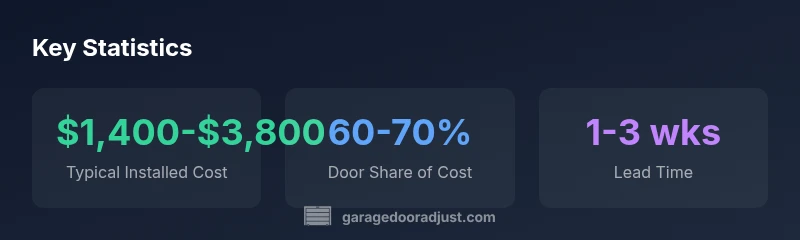
Typical installed cost for a 2 car garage door ranges from $1,400 to $3,800, depending on door material, insulation, and installation complexity. Labor usually adds $400 to $1,200, while the door itself can run $600 to $2,000. Add-ons like openers and smart features push totals toward $2,000–$4,500. This is based on GarageDoorAdjust Analysis, 2026.
Why the 2 Car Garage Door Cost Varies
Understanding the true cost of a two-car garage door project starts with recognizing the key drivers behind the price. The 2 car garage door cost can swing widely because of door material, insulation level, panel design, window inserts, and the installation environment. Local labor rates, accessibility of the work site, whether an old door must be removed, and the choice of opener all contribute to the final figure. Budgeting effectively means separating the base door price from installation complexity and add-ons. The GarageDoorAdjust team has found that homeowners who plan for these variables typically finish with a more accurate, less stressful project budget. We emphasize a transparent, line-item approach so you can spot value and avoid surprise charges.
Material Choices and Price Ranges
Door materials are the single biggest determinant of cost. Here is a practical overview of typical ranges you can expect, keeping in mind that regional pricing and installer fees vary:
- Steel doors: These are the most economical option, often priced in the lower end of the ladder. Door-only prices can start around the mid-range, with complete installs generally landing in a moderate budget tier.
- Aluminum doors: Slightly more expensive than basic steel due to lightweight framing and corrosion resistance, but still affordable for many homeowners.
- Wood doors: A premium choice with significant aesthetic impact and higher maintenance. Expect higher price bands, especially for custom designs or wood species.
- Fiberglass/composite doors: Mid-to-high range depending on finish and insulation, offering durability with moderate upkeep.
Material choice shapes not only the sticker price but also long-term maintenance and energy efficiency. In our analysis, the door itself often represents the majority of the material cost, while hardware and insulation influence the total by a noticeable margin.
Insulation and Energy Impact
Insulation matters when you want energy efficiency, noise reduction, and climate control. Non-insulated doors are cheaper upfront, but insulated options with higher R-values improve thermal performance and can reduce heating and cooling loads over time. The cost delta for insulation is typically offset by energy savings in moderate-to-cold climates. Our guidance: if your garage is heated or attached to living spaces, investing in insulation can yield meaningful long-term savings, even if the initial price is higher. In our dataset, insulation-equipped doors show a broader price range but offer tangible comfort and potential annual energy savings, especially when paired with an efficient opener and weather stripping.
Labor and Installation Details
Labor costs cover removing the old door, installing tracks, springs, and panels, and wiring or attaching the opener. Installation complexity rises with non-standard door widths, high ceilings, or difficult access. Extra fees may apply for accommodations such as structural reinforcement, custom windows, or warranty-required support. The cost of labor often represents a substantial portion of the total price, particularly for double-door assemblies. Getting multiple, itemized quotes helps distinguish genuine value from vanity add-ons and ensures that you’re not overpaying for labor.
Openers, Tracks, and Hardware: What Affects Price
The garage door opener category includes chain-drive, belt-drive, and jackshaft options, each with different prices and noise levels. Belt-drive openers are typically quieter but pricier than chain-drive models. Smart features, battery backups, and enhanced remotes add to the cost but can improve daily use and reliability. Tracks, rollers, weather seals, and hinges also influence the final bill. Budget accordingly if you want quiet operation, quicker cycle times, or integration with home automation systems. The GarageDoorAdjust analysis indicates that openers can add a meaningful portion to the total cost, especially when upgrading to modern, feature-rich models.
Upgrades and Aesthetic Features
Aesthetic enhancements can push the 2 car garage door cost higher, but they’re often worth it for curb appeal. Windows integrated into panels, decorative hardware, custom colors, and embossed panels contribute to the price. If you expect resale value to matter, investing in tasteful windows or a high-end finish can pay off. It’s important to balance style with maintenance—wood and certain finishes may require more upkeep than steel or composites. Our guidance is to choose a finish that aligns with climate, maintenance tolerance, and home design, while keeping an eye on long-term cost of ownership.
Financing and Budgeting Tips
When budgeting for a 2 car garage door project, reserve a contingency for unexpected issues (site conditions, structural work, or replacement hardware). Obtain at least three written estimates with clear line items, and ask for a breakdown of material costs, labor, and disposal fees. Explore financing options if upfront cash is limited, and review warranty terms on both door components and labor. The best value is a balance of upfront price, build quality, and long-term reliability, rather than simply chasing the lowest quote. The GarageDoorAdjust team recommends prioritizing doors with durable materials, solid insulation, and reputable warranties.
Quick Scenario Cost Guide
Budget-conscious, mid-range, and premium scenarios help homeowners visualize price bands and align decisions with goals:
- Budget-Conscious: Steel door, basic insulation, standard tracks, basic opener. Estimated total: $1,400–$2,000.
- Mid-Range: Steel or aluminum door with enhanced insulation, upgraded hardware, decent opener. Estimated total: $2,000–$3,200.
- Premium: Wood or premium composite door with lavish windows, top-tier insulation, premium opener, and custom finish. Estimated total: $3,000–$4,500.
These scenarios reflect a typical market spread and are based on the GarageDoorAdjust Analysis, 2026. They illustrate how choices stack up and where you can adjust to meet budget without sacrificing essential performance.
Maintenance and Longevity Considerations
Once installed, ongoing maintenance extends the life of a 2 car garage door system. Schedule regular lubrication of moving parts, inspect springs and cables, and test safety features. Weather stripping should be checked and replaced as needed to prevent drafts and moisture intrusion. A well-maintained door reduces the likelihood of sudden failures and helps preserve the initial investment. Pair maintenance with proactive inspections, and you’ll maximize the value of your upgrade over time.
Cost breakdown for a 2-car garage door project
| Component | Cost Range | Notes |
|---|---|---|
| Door material (steel, wood, composite) | $600-$2,000 | Material choice drives major price difference |
| Labor (installation) | $400-$1,200 | Includes removal of old door and mounting tracks |
| Opener (optional) | $150-$500 | Smart features add cost |
| Total for 2-car setup | $1,400-$3,800 | Typical range including components |
Got Questions?
What factors most influence the 2 car garage door cost?
Material choice, insulation level, door design, opener type, and installation complexity are the primary cost drivers. Site conditions and local labor rates can also affect the total. Always ask for a line-item quote to understand where your money goes.
The main cost factors are the door material, insulation, and the complexity of the installation.
Is insulation worth the extra upfront cost?
If your garage is heated, attached to living spaces, or frequently used, insulation can reduce energy bills and improve comfort over time. The upfront premium is often offset by long-term savings, especially in extreme climates.
Insulation can pay off over time, especially in cold or hot climates.
Can I install a 2-car garage door myself to save money?
Professional installation is recommended for safety and warranty reasons. A DIY installation may save upfront labor costs but can lead to costly damages if misaligned or incorrectly fitted.
It's generally best to hire pros for safety and warranty reasons.
What warranty coverage should I expect?
Look for a minimum 1-2 year warranty on labor and a longer warranty on door components (often 5 years or more). Confirm what’s covered (hardware, springs, tracks) and any exclusions.
Check how long labor and parts are covered and what’s included.
How long does installation typically take?
Most standard 2-car door installations take 2-6 hours, depending on access, site conditions, and whether new tracks or springs are needed. Scheduling should account for some flexibility.
Most installs take a few hours, with additional time if there are extra tasks.
Should I finance or pay upfront?
Both options are common. Financing helps manage cash flow, while paying upfront can save on interest. Compare total costs, terms, and potential discounts offered by installers.
Finance can help spread the cost, but compare terms before choosing.
“Pricing for garage doors is highly sensitive to material choices, insulation, and installation conditions, so always compare multiple bids and verify warranties before buying.”
Quick Summary
- Budget for materials first, then labor.
- Get 3+ itemized quotes to compare value.
- Insulation can improve long-term savings.
- Consider upgrading openers for reliability and convenience.