Can You Buy Garage Door Openers? A Practical Buying Guide for 2026
Discover where to buy garage door openers, compare drive types, essential features, and budgeting tips. This expert guide helps homeowners choose, install, and maintain a safe, reliable opener.


Yes. You can buy garage door openers from hardware stores, big-box retailers, online marketplaces, and directly from manufacturers. Common types include chain-drive, belt-drive, and screw-drive units, with features like Wi-Fi connectivity, battery backup, and safety sensors. Check compatibility with your door size and mounting, and decide if you’ll handle installation or hire a pro. Prices vary by model and feature set.
Can You Buy Garage Door Openers
According to GarageDoorAdjust, homeowners can purchase garage door openers through multiple trusted channels, including local hardware stores, national home-improvement chains, online marketplaces, and directly from manufacturers. This flexibility means you can compare prices, read reviews, and assess installation options all in one sitting. When you begin, define your door setup (single-car vs. two-car, torsion vs. extension springs), desired horsepower, and whether smart features like Wi‑Fi/app control or battery backup are important. Decide if you’ll install it yourself or hire a professional, and gather a simple checklist of questions to ensure compatibility and safety throughout the process.
Remember to verify compatibility with your current rail system, mounting hardware, and ceiling height. If you’re unsure about electrical work or door balance, consider professional installation. The buying decision should factor in noise level, quiet operation in living spaces, and whether the opener needs built-in security features for your home. This approach helps you avoid mismatches and partial upgrades that don’t deliver expected performance.
Types of Garage Door Openers
Garage door openers come in several drive configurations, each with distinct advantages and trade-offs. The most common options are chain-drive, belt-drive, and screw-drive systems, with jackshaft openers as a higher-end alternative for minimal overhead space. Chain-drive models are typically the most affordable and robust, but they’re louder. Belt-drive units are quieter and better for bedrooms above the garage, while screw-drive models offer simple maintenance and solid reliability. Jackshaft openers remove the torsion spring from the opener, providing a compact profile and improved track balance, but they require precise installation and may be overkill for a standard two-car garage. When choosing, balance noise, price, and mounting constraints with your door’s weight and width to pick a model that suits your home.
Drive Type Performance: Pros and Cons
- Chain-drive: Pros—low cost, durable; Cons—noisier, vibrations can carry through walls.
- Belt-drive: Pros—quietest operation, good for living spaces; Cons—slightly higher upfront cost.
- Screw-drive: Pros—low maintenance, reliable; Cons—may be less smooth with heavy doors.
- Jackshaft: Pros—maximizes vertical space, excellent balance; Cons—requires precise setup and is pricier.
In most homes, belt-drive or chainedrive units provide a reliable balance of cost and quiet operation. Your choice should reflect how sensitive you are to noise, the door’s spring system, and whether you need smart features like app control or battery backup.
Essential Features to Look For
Key features should focus on safety, reliability, and future-proofing your purchase. Look for auto-reverse safety sensors that prevent door closure if an obstruction is detected, rolling code security for remote transmissions, and battery backup to operate during power outages. Wi‑Fi or smart-home integration enables remote control and status alerts, while quiet operation is a must for garages adjacent to living spaces. Compare horsepower (for heavier doors you’ll need higher torque), rail length for tall openings, and compatibility with existing track systems. Don’t overlook safety-certification marks and UL listings, which indicate adherence to recognized safety standards.
Measuring for Compatibility and Installation Readiness
Before buying, measure headroom clearance, rail length, and door height to ensure the new opener fits your existing tracks. Confirm the opener’s horsepower rating matches your door weight and that remote sensors align with door gap and hardware. If you have an unusual ceiling height or a very heavy door, you may need a longer rail kit or a different installation approach. For DIY enthusiasts, check your toolkit and electrical knowledge; for others, hiring a pro is the safer option. A mismatch can result in reduced performance or safety concerns, so double-check all measurements and compatibility notes from the manufacturer.
Where to Shop: Retailers vs Online
Shopping in-store lets you physically inspect the model and talk with staff who can explain installation options and warranty terms. Online, you can compare a broader range of brands, read user reviews, and often access promotional discounts. When buying online, factor in shipping costs and the potential need for parallel installation services. Always verify the return policy and warranty coverage, and consider bundling your purchase with a professional installation option for a smoother experience. This approach helps you evaluate value rather than just price.
Installation Considerations: DIY vs Pros
A straightforward opener installation can be a DIY project for capable homeowners, especially with belt-drive or chain-drive units that use standard rail layouts. If you’re replacing a unit with a jackshaft, or if your door’s balance and track alignment look suspect, professional installation is strongly recommended. A pro can ensure safe electrical connections, correct keypad programming, and proper emergency release functionality. Expect installation to take a few hours for a standard two-car garage, with longer times if new tracks or rails are required. The goal is reliable operation, not just panel fitment.
Budgeting and Value: What to Expect
Budgeting involves more than the opener price. Consider installation labor, rail extensions, remote controls, keypads, and potential wiring work. While entry-level belt-drive units may seem affordable, higher-end models with smart features and longer warranties offer better long-term value and resale appeal. Compare total costs, including installation charges and optional maintenance plans, and weigh them against anticipated energy savings, reliability, and peace of mind. A well-chosen opener should deliver years of safe operation with minimal nuisance repairs.
Maintenance, Safety, and Longevity
Regular maintenance keeps openers performing safely and quietly. Lubricate moving parts per manufacturer guidance, test safety sensors monthly, and inspect springs, mounts, and hardware for signs of wear. Keep sensors clean and aligned to prevent false reversals. Battery-backed units require occasional battery replacement, so note the life expectancy and compatibility with your remote controls. Practicing proactive maintenance reduces unexpected failures and extends the life of your opener. The GarageDoorAdjust team emphasizes that safety and maintenance are integral to a long-lasting, dependable system.
Authority Sources
For safety standards and energy considerations, consult authoritative sources:
- U.S. Consumer Product Safety Commission (CPSC): Garage door safety tips and recalls, https://www.cpsc.gov
- U.S. Department of Energy (DOE): Home appliance efficiency and consumer guidance, https://www.energy.gov
- National Institute of Standards and Technology (NIST): Standards and testing frameworks, https://www.nist.gov
Weighing the Long-Term Value of Your Purchase
Common garage door opener types and typical installed price ranges
| Opener Type | Key Benefit | Typical Price Range (installed) |
|---|---|---|
| Chain-drive | Most affordable, durable | $300-$500 |
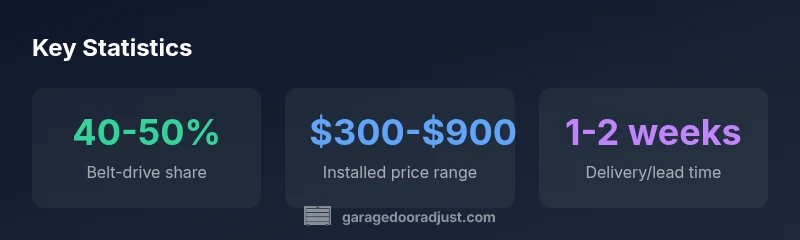
| Belt-drive | Quiet operation | $400-$800 |
| Screw-drive | Low maintenance | $350-$600 |
| Jackshaft | Compact, high balance | $900-$1500 |
Got Questions?
Is it cheaper to buy a garage door opener online or in-store?
Prices can vary across retailers. Online listings may offer promotions or bundled installation, while in-store purchases let you compare feel and fit. Always compare total cost, including any installation services and warranty terms.
Prices vary by retailer; compare total cost, including installation and warranty, whether you shop online or in-store.
Do I need a professional to install a garage door opener?
Basic installations can be DIY for many homeowners with standard rails, but complex setups—especially jackshaft or unusual tracks—benefit from a professional. A pro ensures proper wiring, safety sensor alignment, and code-compliant operation.
If in doubt, hire a pro for safety and proper setup, especially with tricky configurations.
What safety features should I look for in a new opener?
Look for auto-reverse safety sensors, rolling code technology for remote controls, battery backup, and automatic shutoff in power-outage scenarios. These features protect family members and pets and reduce risk of injury.
Make sure safety sensors and battery backup are included for safe operation.
What compatibility issues should I watch for?
Check the opener’s horsepower against door weight, rail length for ceiling height, and rail/track compatibility with your existing system. Mismatches can reduce performance or safety.
Verify door weight, rail length, and track compatibility before buying.
How often should I maintain a garage door opener?
Test safety sensors monthly, lubricate moving parts annually, and inspect hardware every 6-12 months. Regular checks help catch wear early and prevent breakdowns.
Do quick checks monthly and a deeper tune-up once a year.
“Choosing the right garage door opener comes down to balancing compatibility, safety, and future-proof features like smart connectivity.”
Quick Summary
- Choose a model that fits your door weight and ceiling height.
- Prefer belt-drive for quiet operation near living spaces.
- Prioritize safety features like auto-reverse sensors and rolling codes.
- Consider battery backup for outages and Wi‑Fi for remote access.
- Get professional help if you’re unsure about wiring or rail compatibility.