Should Garage Door Springs Be Lubricated? A How-To Guide
Learn whether to lubricate garage door springs, how to choose the right lubricant, and a safe step-by-step approach. Includes safety tips, product guidance, maintenance cadence, and a viewer-friendly infographic.


Should garage door springs be lubricated? In most cases, yes—light lubrication can reduce friction and extend life if you use the right product and technique. Avoid thick oils, penetrating solvents, or lubricating damaged springs. Always disconnect power to the opener, then inspect torsion and extension springs, noting wear before and after lubrication. Follow manufacturer guidance and safety precautions. GarageDoorAdjust Analysis, 2026 supports conservative, regular maintenance.
Should garage door springs be lubricated? What to know before you begin
Lubrication for garage door springs is a maintenance step many homeowners consider to reduce friction and noise. According to GarageDoorAdjust, regular maintenance can extend the life of metal components, but springs are under tension and must be handled safely and correctly. The two common spring types are torsion springs (mounted above the door on a shaft) and extension springs (on the sides of the track). Not every spring benefits from the same product or approach, and some newer coils come pre-lubricated from the factory.
Before you touch the springs, inspect for visible wear: cracks, rust, or stretched coils indicate a replacement is likely needed rather than lubrication. If you are unsure, pause and call a professional. The goal is to improve smooth operation without compromising safety. This sets the stage for a careful, well-informed lubrication plan that respects the equipment and your safety.
Safety and maintenance basics
Working on springs is a high-risk task because springs are under substantial tension. Always start by powering down and unplugging the garage door opener, and ensure the door is fully closed before you approach the springs. Wear safety glasses and gloves, keep hands clear of the spring's path, and never place your body under the door while you work. According to GarageDoorAdjust Analysis, routine inspection alongside lubrication can help identify wear early and reduce unexpected failures. Keep a clean workspace and avoid loose clothing that could catch on hardware. If you notice any cracking, visible rust, or broken strands, stop and call a pro. The aim is to minimize risk while maintaining performance, not to force a DIY fix where it isn't safe.
Lubricants: which to use and what to avoid
Choose a lightweight, metal-safe lubricant; the two common options are white lithium grease and silicone-based spray. Both reduce metal-to-metal friction, but silicone tends to spread more evenly on vertical springs, while lithium grease adheres well to horizontal components. Avoid petroleum-based oils, penetrating oils, or heavy lubricants that can attract dust or gum up moving parts. If your spring manufacturer recommends a specific product, prefer that choice. As a general rule, use only a small amount and wipe away any excess to prevent dust buildup. Regular lubrication, when done correctly, can improve performance without altering spring tension.
Start with a visual check and plan
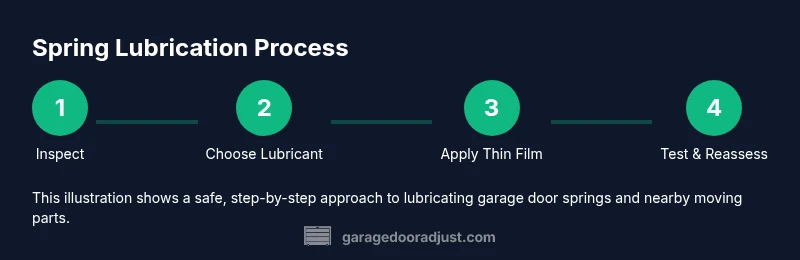
Before applying anything, take a quick look at the track and hardware: hinges, rollers, and track alignment should be clean and free of debris. Plan your lubrication so that the springs are covered with a thin, even film, not pooled or dripping. This planning reduces the chance of over-lubrication and keeps nearby components clean. If you see corrosion or fraying cables, address those issues first. This proactive planning helps ensure you don’t overlook safety-critical problems.
When to replace vs lubricate
Lubrication is not a cure for worn springs. If you notice cracks, visible rust, a gap along the coil, or inconsistent tension, replacement is required. Do not attempt to re-tension or adjust springing yourself; this work is dangerous and should be left to a licensed technician. Regular lubrication can extend life only when the springs are sound and within their design specifications. This article emphasizes using proper technique and staying within manufacturer recommendations.
Verdict: best practices from the GarageDoorAdjust team
The GarageDoorAdjust team recommends treating lubrication as part of an overall maintenance plan, not a one-off fix. Use the right product, apply sparingly, and monitor door balance after lubrication. If in doubt, consult a professional or refer to the manufacturer's installation guide. Consistent upkeep reduces friction, noise, and wear while preserving safety.
Tools & Materials
- White lithium grease(A light, lithium-based grease suitable for metal moving parts)
- Silicone-based lubricant (spray)(Optional for vertical springs or areas hard to reach with grease)
- Clean rags(Lint-free cloths to wipe excess lubricant)
- Safety glasses(Protect eyes from accidental splatter or debris)
- Work gloves(Protect hands from sharp edges and pinch points)
- Ladder or stable step stool(Access springs safely without overreaching)
Steps
Estimated time: 30-40 minutes
- 1
Power down and secure the door
Disconnect the garage door opener (unplug or switch off at the disconnect) and ensure the door is fully closed and stable. This prevents unexpected movement while you work. Have a helper nearby if possible so you’re not working alone near moving parts.
Tip: Double-check power is off at the outlet and the door cannot move when you pull the release. - 2
Gather your tools and put on safety gear
Lay out your lubricant, rags, gloves, and safety glasses within reach. A clear workspace helps you avoid accidental contact with springs and keeps you from rushing the job.
Tip: Wear eye protection and keep sleeves rolled up to prevent snagging on hardware. - 3
Inspect springs for wear or damage
Visually inspect torsion or extension springs for cracks, rust, or stretched coils. If you see any of these signs, prioritize replacement over lubrication and call a professional.
Tip: If in doubt about wear, assume replacement is safer than lubrication. - 4
Apply lubricant sparingly to springs
Apply a thin, even coat along the length of the spring using a small amount on the rag or a light spray in the correct area. Wipe away any excess to prevent dust buildup.
Tip: Avoid oversaturation; a light film is enough to reduce friction without attracting debris. - 5
Lubricate related moving parts
Lightly lubricate hinges, rollers, and any sliding tracks where appropriate (do not spray on the track surface itself). This supports smoother operation and reduces noise originating from neighboring parts.
Tip: Keep lubricant off the interior of the track where the door slides. - 6
Test the door and reassess
Reconnect power, manually lower and raise the door to check balance and smoothness. Listen for unusual sounds and re-check for any signs of binding. If anything feels off, stop and consult a professional.
Tip: If the door feels heavy or unbalanced, do not proceed with more lubrication.
Got Questions?
Should I lubricate torsion springs?
Yes, you can lubricate torsion springs with a light lubricant, but only if the manufacturer approves it. Avoid over-lubrication and never work on under-tension springs.
You can lubricate torsion springs with a light lubricant if recommended by the manufacturer, and never overdo it or work with springs under tension.
Is it safe to lubricate springs myself?
Lub lubrication can be safe when you strictly follow safety steps: disconnect power, keep hands clear of the path, and avoid modifying spring tension. If you’re unsure, hire a professional.
Yes, but only if you follow safety steps carefully. If in doubt, call a pro.
What lubricant should I use?
Opt for a lightweight white lithium grease or a silicone-based spray. Avoid penetrating oils and heavy petroleum products that can attract dust or degrade coatings.
Choose a light lithium grease or silicone spray and skip penetrating or heavy oils.
How often should I lubricate?
Lubricate during routine maintenance or when you notice stiffness or squealing. Do not rely on lubrication alone to solve a worn spring issue.
Lubricate during routine checks or when you hear squeaks, but if the spring is worn, replace it.
Can lubrication fix a noisy door?
Lubrication can reduce noise from moving parts, but if noise comes from a worn spring, replacement may be required. Check other components as well.
Lubrication helps if noise comes from moving parts, but worn springs may need replacement.
What signs indicate springs need replacement?
Look for cracks, rust, frayed coils, or a loose coil area. Any of these indicate replacement rather than lubrication.
Cracks, rust, frayed coils, or a visibly loose coil mean replace, not lubricate.
Watch Video
Quick Summary
- Lubricate springs sparingly with approved lubricants.
- Always power off the opener and inspect for wear before lubing.
- Use proper safety gear and keep a clear work area.
- Replace worn springs rather than trying to lubricate a failing system.