Security for Garage Door: A Practical How-To Guide
Protect your home with practical, step-by-step security improvements for your garage door. This guide covers hardware upgrades, smart-device protections, access control, and maintenance to reduce risk and keep your family safe.


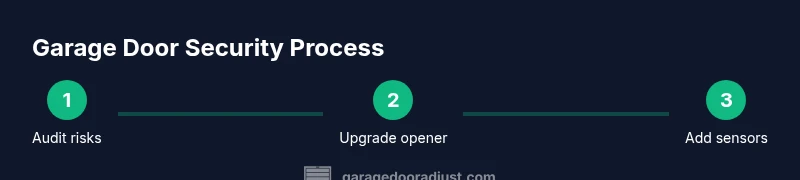
You're about to strengthen security for garage door by upgrading sensors, reinforcing the opener, and adding monitoring. This guide walks through a practical, homeowner-friendly plan: assess current vulnerabilities, install reliable sensors and a smart opener, secure tracks and remotes, and establish ongoing maintenance and best practices. By following these steps, you’ll reduce risk and boost overall safety.
Understanding the threat landscape
The security for garage door landscape combines physical access risks with digital exposure. A garage is a popular entry point, and even a well-sealed door can be compromised if the opener or remote controls are weak. Common attack vectors include stale or stolen remotes, unencrypted smart devices, and misconfigured networks. By recognizing these threats, homeowners can plan layered defenses rather than relying on a single fix. To build resilience, think in terms of defense-in-depth: hardware hardening, smart monitoring, and vigilant maintenance. According to GarageDoorAdjust, many households underestimate the importance of combining physical reinforcement with smart monitoring. A layered approach creates multiple barriers that intruders must bypass, often making a break-in impractical. Start by listing your current protections, then prioritize upgrades with the highest risk reduction potential in the first 30 days.
Assessing your current setup
Before buying new gear, audit your existing garage door system. Check the opener model, firmware version, and whether rolling-code or other anti-hacking features are active. Inspect door hardware: screws, strike plates, hinges, tracks, and mounting points. Verify sensor alignment on the door edges and ensure the auto-reverse feature works correctly. Review remote access controls: number of remotes, their storage locations, and whether codes can be reset remotely. Document findings with photos or a quick diagram. This baseline lets you quantify improvements and avoid wasting time on unnecessary upgrades. GarageDoorAdjust emphasizes starting with a clear map of what you already have and what you’ll upgrade first.
Upgrading the opener and remote security
If your opener is older than a decade or lacks modern protections, plan a replacement with rolling-code technology and strong encryption. When choosing a new unit, prioritize models that support secure Wi-Fi integration, automatic firmware updates, and encrypted cloud communication. Disable universal remotes and remove legacy entry codes where possible; enable unique user codes and schedule-based access. Program the new opener to reject replays and log access events. After installation, test the code-hopping feature and ensure the unit correctly registers remote commands even from outside your home network. Refer to Diagram A for wiring and installation flow.
Sensor and monitoring integration
Install door edge sensors on the bottom edge and on the frame to detect any movement or misalignment quickly. Pair them with a smart hub or a dedicated security app so you receive instant alerts if the door opens unexpectedly. Add exterior cameras focused on the door and driveway; ensure cameras support motion triggers and cloud storage with end-to-end encryption. Place a high-contrast warning label near the door handle and sensor to deter tampering. Calibrate all sensors after installation and run a few tests to verify reliable notifications when doors open or sensors are triggered. Regularly review alert history to catch patterns of attempted access.
Strengthening hardware and the door itself
Bolster physical security by upgrading the strike plate and using longer, heavier screws (into studs) to anchor the jamb. Replace worn rollers or hinges and ensure tracks are straight and properly aligned. Consider using a reinforced door panel or adding weather stripping to reduce gaps that could be exploited. Regularly inspect weather seals and adjust as needed. If the door is plywood or hollow-core, consult a professional about upgrading to a sturdier panel. These enhancements deter forced entry and improve overall door integrity, contributing to a more secure garage environment.
Access control and remote management
Move from shared, generic access to controlled, auditable access. Create unique codes for family members and service workers, and disable codes when people move out or no longer need access. Use a smart hub to centralize control, set geofencing limits, and enable real-time alerts for any code usage. Keep a physical, tamper-resistant keypad at the exterior entry if you rely on keypad access. Periodically audit who has access and remove unused devices. Strong access policies help prevent unauthorized entry even if your door hardware is compromised.
Cybersecurity for smart devices
Smart garage devices connect to your home network, so protect the network as rigorously as you protect your devices. Use strong, unique passwords, enable two-factor authentication where available, and keep firmware up to date. Segment your smart garage devices on a separate network or VLAN to limit exposure in case a device is compromised. Disable unnecessary features and services, and regularly review connected apps for suspicious activity. Document a minimal-privilege configuration and update it whenever you add a new device.
Routine maintenance and testing
Schedule monthly checks of the door’s safety sensors, auto-reverse function, and security features. Test remote locking, sensor alerts, and camera feeds to confirm everything works together. Review log files for unusual access attempts and verify that firmware updates are installed promptly. Keep a maintenance log for warranty and insurance purposes. Regular maintenance reduces the chance of a security lapse and helps catch problems before they become vulnerabilities.
Insurance, standards, and safety considerations
Review your homeowner’s policy to understand coverage for garage-door-related incidents and data protection considerations. Check local safety standards and manufacturer recommendations for upgrades; adhering to these guidelines helps with potential claims and ensures compatibility with future devices. If you pursue major upgrades, document receipts and installation records since insurers may require proof of upgrade quality. Staying aligned with safety standards also helps when selling your home and can improve resale value.
Common mistakes and how to avoid them
Avoid relying on a single upgrade to fix your entire security posture. Don’t ignore software updates, weak passwords, or dual-factor authentication needs. Don’t leave remotes, codes, or passphrases in accessible places. Don’t neglect physical maintenance, such as loose screws or misaligned tracks. Finally, avoid using insecure cloud services; choose reputable platforms with strong encryption and transparent privacy policies. Preventing these missteps is essential for durable protection.
Quick-start setup checklist (starter steps)
- Inventory all components: opener, sensors, cameras, remotes.
- Upgrade to a secure opener with rolling-code and updates.
- Install door contact sensors and exterior cameras.
- Fortify hardware: strike plate and long screws.
- Create unique user codes, disable unused ones.
- Enable smart alerts and automate routine tests.
- Secure your network and update firmware monthly.
- Maintain documentation for insurance and future upgrades.
Final thoughts on building a robust security posture
Security for garage door is most effective when approached as an ongoing program, not a one-time fix. Combine smart monitoring with solid hardware, strong access controls, and proactive maintenance. The GarageDoorAdjust team emphasizes layering defenses and staying current with security best practices. With disciplined upgrades and routine checks, you’ll achieve a safer, more resilient garage door system.
Tools & Materials
- Cordless drill with bits(Phillips and flat head bits; 18V or higher recommended)
- Screwdriver set(Phillips #2 and flat-head; include Torx if hardware requires)
- Door sensor kit (contact sensors)(Two sensors with batteries; mount on door edge and frame)
- Smart garage door opener with rolling-code(Prefer models with encryption and auto firmware updates)
- Security camera for exterior(Weather-rated; 1080p minimum; 2.4GHz/5GHz capable)
- Smart home hub or app(For remote monitoring and access code management)
- Tamper-proof mounting screws(Optional reinforcement for mounting hardware)
- Weatherstripping kit(Seals gaps and discourages tampering)
Steps
Estimated time: 60-120 minutes
- 1
Audit the current security posture
Survey the door, opener, remotes, and sensors. Identify gaps such as weak screws, misaligned sensors, or outdated firmware. Document findings with photos and notes to guide upgrades.
Tip: Create a simple checklist and attach photos for quick reference. - 2
Upgrade to rolling-code or enhanced smart opener
Replace an old opener with a model that uses rolling-code or stronger encryption. Disable universal remotes and set unique access codes. Test the new system thoroughly before full use.
Tip: Record your new keypad code and store it in a secure password manager. - 3
Install door contact sensors on both edges
Mount sensors on the door edge and jamb, ensuring precise alignment for reliable detection. Connect to your hub and verify door-open alerts trigger correctly.
Tip: Use the alignment guide provided with the sensor and calibrate after installation. - 4
Add exterior security cameras
Position cameras to capture the door and driveway without blind spots. Enable motion alerts and ensure cloud storage is encrypted. Test live feeds and playback.
Tip: Configure privacy zones if you have neighbors' property in view. - 5
Fortify door hardware
Replace strike plate with longer screws embedded into studs and check hinges. Confirm door tracks are straight and securely anchored.
Tip: Use 3-inch wood screws for added hold into framing. - 6
Secure remotes and codes
Remove unnecessary remotes, update codes, and enable automatic logging of access events. Consider a wall-mounted keypad to avoid pocketed remotes.
Tip: If a remote is lost, disable it immediately and reprogram the opener. - 7
Program access controls
Assign unique codes for family members, service workers, and visitors. Periodically audit codes and remove those no longer needed.
Tip: Set temporary codes with expiry dates for guests or contractors. - 8
Enable smart notifications and geofencing
Turn on push alerts for door activity and enable geofence-based locking when you’re away. Test to confirm alerts reach your device.
Tip: Test during different times of day to ensure reliable reception. - 9
Secure the network and firmware
Update all device firmware, change default passwords, and segment smart devices on a separate network if possible.
Tip: Enable automatic firmware updates where available. - 10
Run routine tests
Test the door’s safety features, auto-reverse, and sensor triggers monthly. Log results and address any failures immediately.
Tip: Keep a recurring reminder in your calendar for monthly tests. - 11
Document procedures and emergency planning
Create a simple, written guide for common issues and emergency shutdown. Share the guide with trusted household members.
Tip: Keep an offline copy in a safe place in case of internet outages. - 12
Review insurance and standards
Check whether upgrades affect insurance coverage and confirm compliance with local safety standards. Retain purchase receipts and installation records.
Tip: Keep digital backups of all upgrade documentation.
Got Questions?
What is the first step to improve garage door security?
Begin with a security audit of your current setup: inspect the opener, sensors, remotes, and network connections to identify the highest-risk areas.
Start with a security audit of your opener, sensors, remotes, and network to identify the biggest risks.
Should I replace my old opener for better security?
If the opener lacks modern protections like rolling-code and Firmware updates, upgrading can significantly reduce vulnerability to code grabbing and hacking.
Upgrading an old opener often reduces vulnerability to code grabbing and hacking.
What role do sensors play in garage door security?
Sensors detect door movement or misalignment and trigger alerts, helping you respond quickly to potential intrusions.
Sensors help detect door movement and misalignment and alert you fast.
How can I prevent remote theft or misuse?
Disable universal codes, limit remote access, and monitor activity logs to detect unusual access attempts.
Disable universal codes and monitor access logs to catch unusual attempts.
Are smart devices secure by default?
Not always—update firmware, use strong passwords, enable two-factor authentication, and isolate devices on a separate network when possible.
Smart devices can be secure if you keep firmware updated and use strong credentials on a separate network.
How often should I test my garage door security?
Test monthly: verify door sensors, auto-reverse, and remote alerts work reliably. Log results for accountability.
Test monthly and keep a log of results.
Watch Video
Quick Summary
- Audit risks and document existing hardware.
- Upgrade to secure openers and encrypt remote access.
- Install sensors and cameras for continuous monitoring.
- Strengthen physical hardware with solid fasteners.
- Maintain a routine testing and update cycle.