What You Need to Paint a Garage Door: A Homeowner's Guide
Learn exactly what you need to paint a garage door, from tools and primers to finishes and safety gear. This step-by-step guide covers surface prep, choosing the right paint, and best practices for a durable, professional-looking door.


You will learn how to paint a garage door with proper prep, primer, and a durable topcoat. This guide covers the materials, surface preparation, weather considerations, safety steps, and techniques to achieve a clean, long-lasting finish on steel or wooden doors, plus tips for color choice and maintenance in any climate.
What do you need to paint a garage door
Painting a garage door effectively starts with choosing durable materials and setting up a clean work zone. According to GarageDoorAdjust, the most durable finish begins with proper prep and the right tools. This section walks you through the essentials and helps you build a simple shopping list before you start. First, identify the door material (steel, wood, or composite) and choose an exterior-grade paint and primer designed for that substrate. Steel doors benefit from a rust-inhibiting primer and a semi-gloss enamel; wooden doors respond well to a stain-blocking primer and an acrylic latex topcoat. Gather items for surface prep, masking, and application, and plan for weather windows that suit exterior painting.
- Tools: drop cloths, painter's tape, masking paper, scrub brushes, sanding blocks, a putty knife, and a paint roller kit.
- Materials: exterior primer, two types of paint (base color and optional trim), a compatible topcoat, rust converter if needed, and a cleaner/degreaser.
- Safety gear: gloves, eye protection, and a respirator or mask.
This approach reduces last-minute trips to the store and minimizes rework. The GarageDoorAdjust team emphasizes having a small set of reliable tools you know you can trust.
Choosing the right paint and finish
When you choose paint for a garage door, you’ll weigh durability, finish, and weather resistance. Exterior acrylic latex paints with a satin or semi-gloss finish are popular for metal and wood doors because they resist moisture and grime while staying flexible as the door expands and contracts with temperature changes. If you’re coating a bare wood door, you might opt for a stain-blocking primer underneath a durable enamel, while metal doors often benefit from rust-inhibiting primers and a high-quality enamel topcoat. Consider UV resistance, colorfastness, and cleanup ease when selecting pigments. For durability across seasons, don’t skimp on primer quality or coat thickness. And always test a small area first to confirm color and adhesion.
Surface preparation you can trust
A solid prep routine is the backbone of a lasting paint job. Start by cleaning the surface to remove dirt, oil, and old wax. For metal doors, remove surface rust with a rust remover or light sanding; for wood doors, inspect for rot and repair as needed. After cleaning and drying, lightly sand to remove glossy spots and create a tooth for the new paint to grab onto. Wipe away dust with a tack cloth, then mask edges, weatherstripping, and adjacent surfaces to protect them from splatters. This block sets the stage for even, durable coverage and minimizes touch-ups later. As GarageDoorAdjust notes, meticulous prep reduces failures down the line.
Primers and seals for lasting adhesion
Primers are not optional on most garage doors. Use a primer designed for the door’s substrate: metal doors require a rust-inhibiting bonding primer, while wood doors benefit from a stain-blocking, sandable primer. The primer should fully coat and dry before you apply topcoat. If you’re repainting a previously painted surface, a bonding primer helps improve adhesion on slick old finishes. Seal any bare wood knots with a knot sealer before priming to prevent staining through the topcoat.
Weather and environmental considerations
Exterior painting should be planned around mild, dry days with low humidity. Avoid painting in direct sun or when surfaces are too hot, and never paint if rain is expected within 24 hours. Temperature and humidity influence drying times and finish quality, so choose a day with moderate conditions and good ventilation. If the forecast changes, pause and protect your project from dew or rain. Preparing for weather fluctuations reduces wash-off risks and ensures a uniform cure.
Color, sheen, and maintenance tips
Select a color and sheen that hides imperfections and matches your home’s aesthetic. A satin or semi-gloss finish offers durable washability and easier maintenance for doors exposed to the elements. Remember that darker colors may fade faster and heat up faster in sun, so plan for touch-ups over time. Clean maintenance is simple: wash with a mild detergent, rinse, and re-coat only when the door shows signs of wear. This approach keeps your door looking fresh without frequent full refinishes.
Tools & Materials
- Drop cloths or plastic sheeting(Cover driveways, landscaping, and nearby surfaces)
- Painter's tape(Mask edges and weatherstripping cleanly)
- Masking paper or plastic sheeting(Protect areas you don’t want painted)
- Long-handled scrub brush(For cleaning and scuffing surfaces)
- Sanding blocks or sandpaper (120-220 grit)(Create a tooth for primer and remove gloss)
- Putty knife(Scrape loose paint and fill small imperfections)
- Clean rags and bucket(Prepare cleaning solution and cleanup)
- Exterior primer (bonding primer for metal, stain-blocking for wood)(Choose primer compatible with door material)
- Exterior-grade paint (latex or enamel)(Two coats recommended; choose color you’ll maintain)
- Paint rollers and extension pole(Small- to medium-nap rollers for flat panels)
- Angled brushes (2 in and 1 in)(For edges and corners)
- Paint tray and liners(Easy cleanup and even distribution)
- Respirator or protective mask(Prevent inhaling fumes; ensure a snug fit)
- Safety glasses(Protect eyes from splashes)
- Gloves(Keep hands clean and protected)
- Ladder or stable step stool(Access higher panels safely)
- Rust remover or rust converter (optional)(Use only if you have noticeable rust on metal doors)
Steps
Estimated time: 2-6 hours (plus additional drying time between coats)
- 1
Prepare workspace
Move vehicles and obstacles away from the door. lay down drop cloths to protect the ground and masking paper at the edges to catch drips. Ensure you have adequate lighting and ventilation before starting.
Tip: Do this first to prevent interruptions and keep cleanup quick. - 2
Clean the door surface
Wash the door with a mild detergent or degreaser; rinse thoroughly and let it dry completely. A clean, dry surface improves primer adhesion and topcoat durability.
Tip: Avoid soaking controls or hardware; protect mechanisms during cleaning. - 3
Remove loose material
Scrape away any peeling paint and rust with a putty knife and a stiff brush. This prevents flaking later and creates a smooth base for primer.
Tip: Take your time on edges to prevent gouges that show through the finish. - 4
Lightly sand the surface
Lightly sand glossy areas to create a bonding surface for primer. Wipe away dust with a tack cloth before priming.
Tip: Don’t oversand; you want a tooth, not a dull, rough surface. - 5
Apply primer
Choose a primer suited to the door material. Apply a thin, even coat and allow proper drying time according to the product label.
Tip: Use a bonding primer on slick metal to maximize adhesion. - 6
Paint first coat
Apply the first coat with long, even strokes, following the door’s panel lines. Work from top to bottom to avoid drips and lap marks.
Tip: Keep a wet edge to prevent roller marks. - 7
Apply second coat
After the first coat dries, apply a second coat for full coverage. Check for thin spots and touch up as needed.
Tip: Two coats usually deliver the best balance of color and durability. - 8
Cleanup and cure
Remove masking, clean brushes and rollers, and store leftovers properly. Let the door cure in dry conditions before heavy use.
Tip: Ventilate to speed drying; avoid closing the garage immediately after painting.
Got Questions?
Do I need to remove all old paint before painting?
Not always. If the existing coating is solid and well-adhered, you can paint over it after proper cleaning, rust treatment, and light scuff sanding to improve adhesion. If peeling or rust is present, remove it first.
If the old paint is peeling or rusting, you should remove it first; otherwise, clean and lightly sand the surface before priming.
Is spray painting better than brushing for large garage doors?
Spraying can provide very even coats on large flat panels, but it requires more equipment and masking of adjacent areas. Brushing or rolling works well for edges and smaller spots and is easier for beginners.
Spraying can be fast and even; brushing is simpler for beginners and better for edges.
What should I do about metal vs wood doors?
Metal doors require rust-inhibiting primers and enamel topcoats or specific metal paints. Wood doors need stain-blocking primers and flexible topcoats to accommodate expansion and contraction.
Metal doors need rust-proof primers; wood doors need primers that block stains and finish with flexible coatings.
How long does it take to cure after painting a garage door?
Cure time varies by paint type and weather; always follow the manufacturer's guidance. Plan for several days before heavy use to ensure full hardness and durability.
Check the paint label for cure times and avoid heavy use until it’s fully cured.
What about lead paint on older garages?
If your garage door is in an old home (built before 1978), test for lead and follow appropriate removal or containment guidelines. Consider hiring a qualified professional for lead-safe work.
If your home is old, test for lead before you sand or remove old paint, and follow safety guidelines.
Can I paint over peeling or glossy finishes?
Yes, but you must remove peeling sections and scuff-glossy areas with sandpaper. A bonding primer helps new paint adhere and prevents peeling later.
If the finish is peeling, remove it first; otherwise, sand and prime to ensure good adhesion.
Watch Video
Quick Summary
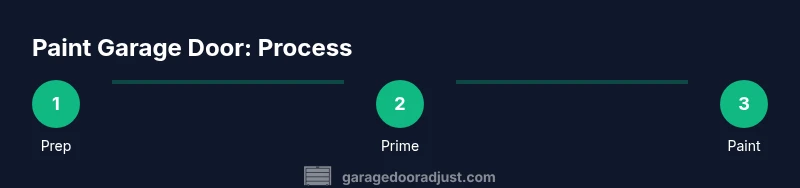
- Prepare a clean, protected workspace before painting
- Choose primer and topcoat matched to door material
- Prime thoroughly for adhesion and durability
- Paint with even coats and allow proper drying between layers
- Always follow safety guidelines and ventilation needs