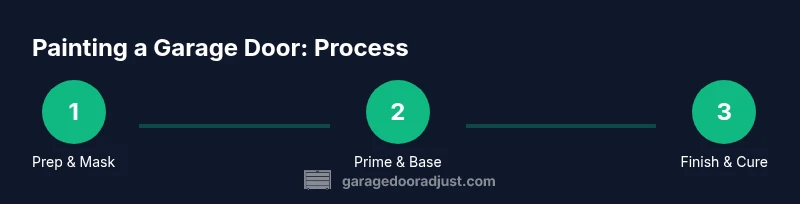
Painting the Garage Door: A Step-by-Step How-To
Learn to paint your garage door like a pro with this step-by-step guide. Prep, priming, finishing, and maintenance for wood or steel doors.


Painting the garage door is a practical upgrade that boosts curb appeal and protection. In this guide, you’ll learn how to prep, choose the right exterior paint, and apply a durable finish on steel or wood doors. By following these steps, you’ll achieve a professional-looking result with long-lasting color that withstands weather and time.
Why painting the garage door matters
A fresh coat of paint can transform the look of your home, but it does more than cosmetic work. Painting the garage door helps protect the underlying material from moisture, UV exposure, and minor abrasions from wind-driven debris. When you choose a high-quality exterior paint and prep thoroughly, you extend the door’s life and reduce maintenance over the years. According to GarageDoorAdjust, the longevity of a painted surface improves when you follow a disciplined prep and finish routine, especially on steel and wood doors that experience temperature swings. A well-executed paint job also creates a uniform color that hides minor imperfections and can increase curb appeal, which matters if you’re planning to sell. In this guide we’ll cover the essential steps, from choosing finishes and colors to applying primers, paints, and sealants. The aim is to deliver a durable, attractive result that withstands weather and time.
Colors, finishes, and weather resistance
Choosing the right color and finish is more than personal preference—it affects maintenance and performance. Semi-gloss and gloss finishes tend to resist moisture and dirt better than flat sheens, but they show brush marks more easily. For most exterior doors, a high-quality acrylic latex exterior paint with a compatible primer delivers durable color retention and easier cleanup. GarageDoorAdjust notes that a durable finish starts with a high-quality exterior paint and a compatible primer. If your door is damaged or bare metal, consider a rust-inhibitive primer under the color layer to prevent corrosion and peeling. Also plan for color consistency across panels and hardware; an even finish minimizes the appearance of surface imperfections and keeps sunlight from bleaching one area more than another. Finally, select a color that complements the home’s overall palette and the garage surroundings.
Safety considerations and prep work
Painting a garage door is a physical task that involves ladders, solvents, and prolonged exposure to outdoor conditions. Begin by moving vehicles and pets away from the work area, and ensure the area is well-ventilated if you use solvents or spray equipment. Wear eye protection, gloves, and a dust mask or respirator when sanding or using primers with fumes. Protect nearby surfaces, plants, and concrete with drop cloths or plastic sheeting. Check the door’s hardware and weatherstripping; if you notice peeling seals or loose hinges, address those issues before painting. If you’re unsure about the door’s structure, consult a professional. With these precautions, you’ll minimize hazards and set up for a cleaner, longer-lasting finish. GarageDoorAdjust’s safety guidance emphasizes PPE and ventilation for spray applications.
Surface prep basics
The foundation of a lasting paint job is a clean, sound surface. Start by washing the door with a mild detergent and water to remove dirt, dust, and algae. For oily spots, use a degreaser and scrub with a non-scratch pad. Rinse thoroughly and allow the door to dry completely before sanding. Inspect for cracks, peeling paint, or wood filler gaps; repair these with appropriate filler and allow to cure. Lightly scuff-sand glossy areas so primer can adhere. Remove any loose paint, but avoid deep removal on intact, sound layers. Finally, tape off edges and hardware with painter’s tape to achieve sharp lines. With the surface prepped, you’ll achieve better adhesion and a smoother final finish. According to GarageDoorAdjust, skipping prep often results in early peeling and a dull appearance.
Priming and base coats
Priming is critical when you’re painting bare wood, repaired areas, or metal doors. Use a primer formulated for exterior use and compatible with your chosen topcoat. A uniform primer layer improves color accuracy and hides repaired areas. Allow the primer to dry according to the product instructions before applying color. For damaged or corroded spots, a rust-inhibitive primer can slow further deterioration. If you’re re-painting the same color, you may be able to skip priming on smooth, sound surfaces, but a light primer can still improve adhesion and color uniformity. After priming, inspect the door for any remaining imperfections and sand lightly as needed before applying the first coat of paint. Finish with a color that matches your plan.
Painting technique: brushing, rolling, and spraying
Your technique determines the final look and durability. For larger flat panels, use a high-quality angled brush to reach corners, followed by a short-nap roller for even coverage. Maintain a wet edge to avoid lap marks and apply paint in thin, even coats. If you’re spraying, practice on a cardboard panel first and work in light passes with steady motion to avoid runs. In all cases, start at the top of the door and work downward to prevent drips on completed areas. Clean tools promptly between coats, and avoid applying the finish in direct sun or very hot conditions, which can cause premature drying and brush marks. For a consistent appearance, cross-check color across panels in natural light. A well-executed technique results in a smooth, durable finish that’s easy to maintain.
Drying, curing, and recoat schedule
Drying and curing times vary by product, climate, and humidity. Always follow the paint label for recoat windows and cure times. Ensure the color is fully dry to the touch before moving back any hardware or reattaching weatherstripping. Avoid washing or subjecting the door to heavy use until the coating is fully cured. In climates with high humidity, plan for longer cure times and consider a second light coat rather than a heavy single coat to reduce runs. If you’re spraying, seal edges well and allow proper ventilation during cure. By respecting the manufacturer’s directions and keeping the door out of direct rain during the early cure period, you’ll maximize durability and color longevity. GarageDoorAdjust analysis suggests that proper cure times significantly impact long-term finish integrity.
Maintenance and touch-ups
A painted door can require minimal maintenance with routine cleaning and quick touch-ups. Wipe the surface with a mild detergent solution and rinse with clean water to remove dirt that can abrade the finish. If you notice small chips or wear after a season, sand the area lightly, clean, prime, and apply one thin coat of paint. For high-traffic areas or doors with metal hardware rubbed by weatherstripping, consider a fresh topcoat every few years. Using the same brand and finish helps prevent color drift and adhesion problems. Remember to protect the paint during future repairs and avoid using harsh solvents that can dull the luster. Regular maintenance ensures your door continues to look fresh and resist weathering over time. The GarageDoorAdjust team emphasizes consistency in care to preserve appearance and performance.
Common mistakes and how to avoid them
Among the most common mistakes are skipping prep, choosing incompatible primers, and overloading paint on the first coat. Another frequent error is painting when the surface is too hot or humid, which can cause blistering or poor adhesion. Always test a small area first and follow the label’s suggested dry times. Avoid applying thick coats; multiple thin coats deliver better coverage and fewer runs. Finally, neglecting hardware masking can lead to paint on hinges or seals, complicating future operation. By planning ahead, following a primer-to-topcoat sequence, and protecting the surrounding areas, you’ll achieve a durable, professional-looking finish that lasts longer than a rushed paint job.
Tools & Materials
- Exterior acrylic latex paint (durable, weather-resistant)(Choose color and sheen (semi-gloss or gloss recommended).)
- Primer for exterior doors(Rust-inhibitive on metal; compatible with topcoat.)
- Angled sash brush (2–2.5 inches)(For edges and tight corners.)
- Foam or 4-inch roller with frame(Use short-nap roller for smooth panels.)
- Painter's tape(Mask edges and hardware accurately.)
- Drop cloths/plastic sheeting(Protect driveway and surrounding surfaces.)
- Mild detergent and bucket(For cleaning dirt and deposits.)
- Degreaser (for oily spots)(Use as needed on tough stains.)
- Sandpaper (120–220 grit)(Lightly scuff glossy areas for primer adhesion.)
- Putty knife and filler(Patch cracks or gouges.)
- Safety gear (gloves, eye protection, mask/respirator)(Ventilation when sanding or spraying.)
- Ladder or step stool(Stable access to high sections.)
- Paint thinner or water (cleanup)(Depends on paint type.)
Steps
Estimated time: 2-4 hours
- 1
Move and protect the area
Clear the driveway, park away vehicles, and lay drop cloths. Use painter's tape to mask hardware and edges. This keeps dust and paint from spreading and creates clean lines.
Tip: Set up a dedicated work zone with good ventilation to avoid fumes accumulating. - 2
Clean and inspect the door surface
Wash with mild detergent, rinse thoroughly, and let dry. Inspect for peeling paint, cracks, or rust; repair as needed before priming.
Tip: Tackle stubborn grime with a degreaser to ensure primer adheres well. - 3
Sand and repair
Lightly sand glossy areas to create tooth for primer. Fill any cracks or holes with compatible filler and sand smooth once cured.
Tip: Always sand with the grain where possible to avoid cross-grain scratches. - 4
Mask edges and hardware
Cover hinges, handles, and weatherstripping with tape. Ensure your masking is tight to prevent bleed-through.
Tip: Use low-tack tape to avoid peeling fresh paint. - 5
Apply primer
Apply an even coat of exterior primer; allow to dry per product instructions. Lightly sand any rough spots before topcoating.
Tip: Primer should dry fully to avoid trapping moisture under the topcoat. - 6
First coat of paint
Roll or brush on thin, even coats from top to bottom. Maintain a wet edge to prevent lap marks, and work in sections for consistency.
Tip: Practice even pressure and use long, smooth strokes for a uniform finish. - 7
Second coat and finish
Apply a second coat after the first has dried according to the label. Inspect for streaks or thin spots and touch up as needed. Reattach hardware after curing.
Tip: Do not rush the cure; multiple thin coats last longer than one heavy coat.
Got Questions?
Do I need to remove old paint before painting again?
If the existing paint adheres well and is in good condition, you can scuff and repaint. If peeling or blistering is present, remove the old coating or repair the surface before priming and painting.
If it sticks well and looks good, you can repaint with a scuff and recoat. If it’s peeling, remove and repair first.
Can I spray paint a garage door?
Spray painting is possible with proper equipment and ventilation. Use thin coats and keep the nozzle moving to avoid runs. Allow sufficient curing time between coats.
Spray is possible with care—apply light, even coats and ventilate well.
What about lead-based paint on older doors?
If your door dates from before the 1970s, test for lead and follow safe-handling guidelines. If lead is present, consider hiring a professional for remediation.
Test for lead if the door is old; if present, handle with proper safety steps.
How long does it take for the paint to cure?
Cure time depends on product and weather. Always follow the product label and avoid heavy use until fully cured.
Follow the label for cure time and avoid heavy use until cured.
Is it better to paint in spring or fall?
Mild temperatures with moderate humidity are ideal. Spring and fall are common choices, avoiding extreme heat or cold.
Spring or fall usually works best—avoid extremes in temperature or humidity.
Do I need to prime bare wood or metal?
Yes. Priming improves adhesion, hides repairs, and ensures even color. Use a primer compatible with your topcoat and surface.
Yes—prime bare wood or metal for better adhesion and color consistency.
Watch Video
Quick Summary
- Prepare the surface thoroughly before painting
- Choose durable finishes and compatible primers
- Apply thin, even coats for best results
- Follow cure times and maintain the finish for longevity