Wayne Dalton Garage Door Seal: Complete Step-by-Step Repair Guide
Learn how to inspect and replace the Wayne Dalton garage door seal. This step-by-step guide covers tools, measurements, and installation tips to seal gaps, reduce drafts, and protect your garage belongings.


Goal: Inspect and replace the Wayne Dalton garage door seal to stop drafts, improve energy efficiency, and extend door life. You’ll identify the seal type for your model, gather basic tools, remove the old gasket, clean the groove, and install a compatible weather seal. Follow the step-by-step guide for a secure, weather-tight fit.
Why the Wayne Dalton garage door seal matters
The Wayne Dalton garage door seal plays a critical role in keeping your garage comfortable and energy efficient. According to GarageDoorAdjust, a high-quality seal creates a tight barrier against drafts, dust, and moisture, which protects insulation and reduces heating or cooling costs. The right seal also helps quiet operation by preventing air from rushing under the door as it closes. The Wayne Dalton system uses specific seal profiles matched to its track and bottom edge, so a wrong seal can cause binding or gaps that defeat the purpose of weatherproofing.
Common signs that your seal needs attention include visible wear, cracks, or hardening from sun exposure. If you notice air movement when you stand near the door or you can see light under the door when it’s closed, take a closer look. Temperature swings in the garage often correspond to seal degradation, especially around the bottom corners and along the sides. Addressing these issues not only makes the space more comfortable but also protects stored items from moisture and helps preserve the door hardware.
Maintenance is easier when you treat the seal as part of seasonal garage maintenance. Inspect the seal at least twice a year, clean it to remove grit, and replace it if you see persistent cracking or compression loss. By selecting the correct Wayne Dalton seal profile and installing it precisely, homeowners can extend the life of their door and reduce energy waste.
Types of seals used on Wayne Dalton doors
Wayne Dalton doors use a variety of seal profiles, often including vinyl bulb seals at the bottom and vertical jamb seals. The key differences are the material (vinyl versus silicone), the profile (bulb, fin, or combination), and how they attach (adhesive-backed, mechanical retainer, or compression fit). Some older models rely on a vinyl bulb that compresses against the floor; newer designs may use a flexible fin seal that slides into a groove. For Wayne Dalton doors, compatibility depends on the door’s model, height, width, and bottom channel.
Choosing the right seal means assessing climate conditions, door usage, and whether the floor surface is level. A tight seal requires a flush contact with the door bottom and a clean groove. When in doubt, consult Wayne Dalton’s documentation or a trusted professional to confirm profile compatibility. GarageDoorAdjust recommends prioritizing a seal profile designed for your exact Wayne Dalton model to avoid binding or premature wear.
Measuring, selecting, and ordering the right seal
Before ordering a replacement seal for a Wayne Dalton garage door, you must accurately measure the bottom channel and jambs. Start by cleaning the groove, then measure the width of the bottom channel from edge to edge at multiple points, as slight variations can exist along the door. Next, measure the door’s width and the height of the sides to determine if a single long seal or multiple segments are needed. Record the exact Wayne Dalton model or series if available, because seals vary by model.
When selecting a seal, match the profile to the groove dimensions and the door’s orientation. If you’re unsure, bring a picture of the existing seal and the bottom groove to a hardware or OEM distributor. Install only a seal rated for exterior use with Wayne Dalton doors, and ensure the material is appropriate for your climate (UV resistance, temperature range, and flex). After choosing a seal, check return policies in case adjustments are required. GarageDoorAdjust notes that a properly selected seal reduces energy waste and improves overall door performance.
Removing the old seal and prepping the groove
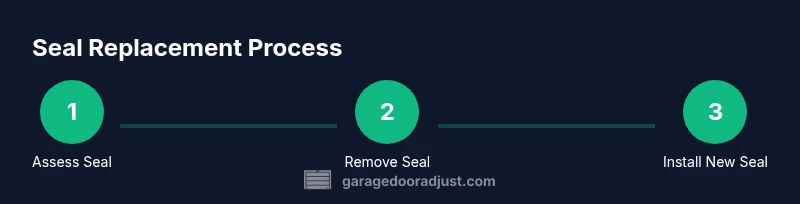
Begin by identifying how the current seal is secured—most Wayne Dalton seals are either clipped, adhesive-backed, or seated in a groove. Use a plastic putty knife or a soft scraper to loosen the seal from the bottom groove and gently lift it out from the channel to avoid scratching the aluminum or steel surface. If the seal is adhesive-backed, carefully peel it away while keeping the groove clean. Clean the groove with isopropyl alcohol and a lint-free rag to remove old adhesive residue, dirt, and oils that could prevent a new seal from seating properly.
Inspect the groove for nicks, burrs, or corrosion. If you find damage, lightly deburr the edges with a fine file or sandpaper and wipe clean. It’s essential to ensure the groove is free of debris before the new seal is installed; otherwise, the seal won’t seat evenly and may leak later. If the bottom edge is bent, carefully straighten it to establish a true seating plane for the new seal. This preparation step is crucial for Wayne Dalton garage door seal replacement success.
Installing the replacement Wayne Dalton seal
Lay out the new seal and compare it to the length of the bottom groove to determine if trimming is necessary. Using scissors or a utility knife, cut the seal to length with an extra 1/4 inch to ensure a snug fit at both ends. Start at a corner and press the seal into the groove, moving along the channel with even pressure so the seal sits flush. If the seal uses adhesive, apply a thin, uniform bead and press firmly into place; many modern seals are self-adhesive and require a light hand to avoid air pockets. Ensure the seal makes continuous contact with the floor when the door is closed and test for airflow by running a simple draft check.
Align corners carefully to prevent gaps and avoid creating a tunnel effect for wind. Re-check the seal’s path along the entire length and adjust as needed. For models that require clips or screws, reinstall them per manufacturer specs. A properly installed Wayne Dalton garage door seal should present a straight line across the bottom with no visible gaps when the door is at rest.
Maintenance tips to extend seal life
Regular maintenance extends the life of your Wayne Dalton garage door seal. Clean the seal and groove at least twice a year to prevent grit from embedding in the material. Avoid harsh solvents that can degrade vinyl or silicone; instead, use a mild cleaner and a soft cloth. Inspect for wear, cracks, and hardening after seasonal changes. If the door frequently collides with the frame due to misalignment, adjust the track or consult a professional. Consider applying a UV-resistant conditioner on vinyl seals in sunny climates to slow sun-related degradation. Keep pets and heavy equipment away from the bottom edge to prevent punctures or tears. A well-maintained seal saves energy, reduces dust intrusion, and helps preserve the door’s hardware.
Troubleshooting common seal issues
If you notice persistent drafts after replacement, re-check the seal’s contact along the entire bottom edge. Gaps near the corners may indicate uneven floor contact or a slightly warped door; re-seat the seal and re-test. Curling at the ends or midsection can signal a misfit or temperature-related hardening; trim and reposition as needed. Uneven compression along the bottom edge may require a slightly thicker or differently profiled seal—verify compatibility with your Wayne Dalton model. Noise during closing can reveal misalignment or a sticking seal; lubricate non-metal parts lightly and retest. If issues persist, verify that the door’s tracks and springs function correctly, because structural misalignment can mimic seal problems.
When to call a professional
If you encounter damaged tracks, bent door sections, or worn springs, seek a professional. A misadjusted or damaged system can create safety hazards and worsen seal performance. If you’re uncomfortable with power tools or adhesives, or if your Wayne Dalton model requires specialized seals, a qualified technician can confirm compatibility and install correctly. Always follow safety guidelines when working near torsion springs and other high-tension components, and consider professional installation if you’re uncertain about any step.
Tools & Materials
- Measuring tape(at least 8 ft; for bottom groove and door width)
- Utility knife(sharp blade for trimming seal ends)
- Plastic putty knife(to loosen seal without scratching metal)
- Flathead screwdriver(if you need to detach trim or screws)
- Phillips screwdriver(for any screws holding seal hardware)
- Replacement Wayne Dalton-compatible weather seal(select profile that matches your model)
- Isopropyl alcohol (rubbing alcohol)(clean groove and remove adhesive residue)
- Lint-free cloth(for cleaning and drying surfaces)
- Adhesive (optional)(use if your seal requires external adhesive)
- Masking tape(to protect adjacent surfaces when applying adhesive)
- Gloves(protect hands during cutting and scraping)
- Marker or pencil(mark trimming lines)
Steps
Estimated time: 60-90 minutes
- 1
Inspect current seal
Check for cracks, hardening, and gaps along the bottom edge and sides. Look for light shining through when the door is closed and note any irregularities from wear.
Tip: Document wear with photos to compare seal profiles. - 2
Measure groove and door dimensions
Use a measuring tape to record bottom channel width at multiple points and the total door height. Record the model or series if available to ensure compatibility.
Tip: Measure in inches at both ends and the center to catch variations. - 3
Remove old seal
Loosen the seal from the groove using a plastic putty knife. Peel away the old gasket, avoiding gouges in the groove walls.
Tip: Work slowly near corners to prevent tearing. - 4
Clean and prep groove
Wipe the groove with isopropyl alcohol and a lint-free cloth. Remove all adhesive residue and dust so the new seal seats flush.
Tip: Let the groove dry fully before installation. - 5
Trim replacement seal to length
Cut the new seal slightly longer than the measured length to allow for seating and corner gaps.
Tip: Leave a small margin at ends to avoid binding. - 6
Install the new seal
Press the seal into the groove from one end to the other, ensuring even seating all around. If adhesive is required, apply a thin bead and press firmly.
Tip: Work in small sections to prevent air pockets. - 7
Seat and test
Close the door slowly to confirm flush contact along the bottom edge. Look for light gaps; adjust as needed.
Tip: Test with a draft check by holding a sheet of paper along the seam. - 8
Secure accessories (if any)
Reattach any clips, screws, or trim pieces per manufacturer specs. Ensure hardware is snug but not overtight.
Tip: Use a torque-limiting screwdriver if specified. - 9
Final inspection and maintenance plan
Inspect seal after a few days of use and after weather events. Create a simple maintenance schedule to inspect twice yearly.
Tip: Record the date of replacement for future reference.
Got Questions?
Can I replace a Wayne Dalton seal myself?
Yes, homeowners can replace the seal themselves if they have the right tools and a compatible seal profile for their Wayne Dalton model. Follow safety practices and the manufacturer’s guidance for your exact door series.
Yes, you can replace the seal yourself if you have the right tools and model-specific seal.
How do I know which seal profile to buy for my Wayne Dalton door?
Measure the bottom groove and refer to your door’s model or series. Choose a profile that fits the groove width and matches the door’s bottom edge.
Measure the groove and check your door model to pick the right profile.
How long does replacement take?
Most DIY seal replacements take about 30 to 60 minutes, depending on the door model and seal type. Plan for extra time if you’re new to the process.
Most replacements take about half an hour to an hour.
Will replacing the seal improve energy efficiency?
Replacing a worn seal reduces drafts and heat loss, contributing to better garage temperature control and lower energy usage.
Yes, a good seal reduces drafts and helps with energy savings.
What if the seal keeps tearing at corners?
Tears at corners can indicate an oversized gap, misalignment, or an incompatible profile. Re-check the measurement and try a corner-friendly profile or consult a professional.
Corner tears usually mean misfit or alignment issues; double-check the profile.
When should I call a professional?
If there are damaged tracks, warped panels, or torsion spring concerns, contact a professional. Seal replacement is straightforward, but safety around moving parts matters.
Call a pro if the tracks or springs are damaged or if you’re unsure about the installation.
Watch Video
Quick Summary
- Identify the correct Wayne Dalton seal profile before buying.
- Prepare the groove thoroughly to ensure a flawless seal seat.
- Install with even pressure and test for drafts after securing.
- Maintain the seal regularly to extend life and energy savings.