Scratched Garage Door: Diagnose, Repair, and Prevent
Learn how to diagnose, repair, and prevent scratches on your garage door with practical DIY steps, safe practices, and when to call a pro for durable results.


To fix a scratched garage door, start by evaluating depth and material, clean the area, and choose a suitable cosmetic repair method (filler, primer, and paint or a professional panel replacement if needed). Most minor scratches are cosmetic and can be addressed with a DIY approach that protects nearby surfaces and uses matching paint.
What Causes Scratches on a Garage Door and When to Repair
Scratches on a garage door are a common nuisance, especially in busy households. According to GarageDoorAdjust, most scratches you see on a standard steel or wood panel are cosmetic and do not threaten structural integrity. Common culprits include parking lot dings, a runaway shopping cart, pebbles kicked up by a mower, or a bump from a ladder during home projects. The decision to repair depends largely on depth and location: surface scuffs and shallow gouges can often be remedied with simple filler, primer, and paint, while deep gouges that expose metal or wood beneath may require more substantial work or panel replacement. GarageDoorAdjust's analysis emphasizes evaluating depth, the door material, and the surrounding finish before choosing a remedy. Note that repeated impact in the same area increases the chance of rust or rot and should be addressed promptly. Beyond the depth, consider heat exposure, moisture, and sunlight that can worsen cosmetic flaws and reduce paint adherence over time.
Cosmetic vs Structural Damage: How to Tell
Distinguishing cosmetic scratches from structural damage is essential to avoid over- or under-repair. A cosmetic scratch affects only the surface finish and usually responds to fillers and fresh paint. Structural damage, by contrast, may involve denting that distorts the panel, misaligns the track, or creates gaps where the door no longer seals properly. Signs of structural issues include a panel that won’t lay flat, creasing, rust around the scratch if moisture has penetrated, or a door that wobbles when opening or closing. If you observe any warping, loose hardware, or misalignment of the track, pause DIY work and consult a professional. A careful assessment now can save money and prevent safety risks later.
Safety First: Assessing the Scratch and Setting Up Your Workspace
Before you touch the door, unplug the automatic opener and keep children and pets away. Clear the area and lay down a drop cloth or old blankets to protect the floor and vehicles. Wear eye protection and gloves to guard against sharp edges, especially on metal doors or old paint layers that may contain lead or other contaminants. Clean the scratched area with mild soap and water, then dry it thoroughly. A clean surface ensures that fillers and paints adhere properly. If you’re unsure about paint compatibility, test a small area on an inconspicuous panel first.
Quick Cosmetic Fixes You Can Try (Surface-Level)
For shallow surface scratches, begin with a gentle approach. Lightly buff the area with a non-abrasive pad to remove loose paint and dust. If the scratch remains visible, apply a compatible filler or epoxy putty designed for metal or wood, following the manufacturer’s instructions. Sand smooth with fine-grit sandpaper until flush with the surrounding finish, then wipe away dust. Prime the patched area with a compatible primer, and finally apply a thin coat of matching enamel or polyurethane paint. Allow adequate drying time between coats. This method preserves the door’s appearance and protects against moisture ingress.
Permanent Repair Options: Filling, Sanding, Priming, and Painting
When cosmetic fixes aren’t enough, a more durable repair may be needed. Use a metal- or wood-appropriate filler to restore depth, then sand flush. Apply a high-build primer to seal the repaired area and prevent rust or rot. Choose a paint color that matches the door and apply in multiple thin coats, letting each coat dry fully. For metal doors, consider a rust-inhibiting primer and a rust-resistant enamel to extend the lifespan of your repair. If the scratch is large or near joints, or if the door skin is fatigued, replacement of the affected panel may be the most cost-effective long-term solution.
Paint and Finish: Matching Color and Texture on Metal vs Wood Doors
Metal doors typically take enamel-based paints with good adhesion and rust resistance, while wood doors may require a stain-seal finish followed by an exterior-grade topcoat. When color matching, bring a tiny paint chip to a paint supply store for precise tinting. For textured or embossed doors, highlight the repaired area with a slightly different sheen or use a satin finish for a seamless blend. Always confirm compatibility with the door’s existing finish and the environment (sun exposure, altitude, and humidity can influence fading).
When to Hire a Professional: Safety, Warranty, and Longevity
Professional repairs are advisable if the damage is extensive, the door is old, or the repair would compromise the structural integrity of the panel or tracks. A pro can assess frame deflection, track alignment, and weather sealing, which are critical for safety and energy efficiency. If a warranty covers your door, follow the terms to ensure that DIY work doesn’t void coverage. When in doubt, request a written estimate and a scope-of-work to compare with DIY costs. A pro can also offer a durable, long-term finish that blends with adjacent panels.
Step-by-Step Preview: A DIY Scratch Repair Plan
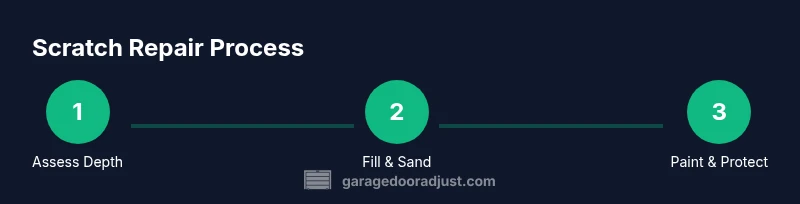
This overview outlines a cautious, methodical approach to cosmetic repairs. It covers surface cleaning, depth assessment, filler application, sanding, primer, and paint application. For a complete, detailed, step-by-step guide, check the dedicated STEP-BY-STEP section below. Always work in daylight and ensure the area remains free of distractions and hazards.
Maintenance to Prevent Future Scratches
Prevention is often easier than repair. Consider installing door edge guards or corner protectors, using weather stripping to shield painted edges, and performing regular inspections for chips and rust. When cleaning, use soft, non-abrasive cloths and avoid harsh chemicals that degrade the finish. Schedule periodic touch-up painting on exposed panels to maintain a uniform appearance and protective layer. A little proactive care can significantly extend the life and look of your garage door.
Common Mistakes Beginners Make (And How to Avoid Them)
Avoid sanding too aggressively, which can remove more than the surface layer and damage the underlying material. Don’t mix paints without confirming compatibility with the door substrate. Skipping primer after patching can lead to poor adhesion and uneven color. Finally, never attempt a repair if moisture or rust is visible around the scratch; address corrosion before cosmetic fixes to prevent future deterioration.
Estimating Time, Budget, and Next Steps
DIY scratch repairs require planning and patience. Expect to spend time on surface prep, filler curing, and multiple paint layers. In many cases, you can complete a cosmetic repair in a weekend, depending on weather and curing times. If you decide to hire a pro, gather multiple quotes and verify their experience with exterior doors. The goal is a durable, aesthetically pleasing finish that protects the door for years to come.
Tools & Materials
- Mild soap and water(For initial cleaning of the door surface)
- Soft cloths or microfiber towels(To wipe and dry surfaces without scratching)
- Non-abrasive pad(For light buffing of shallow scratches)
- Fine-grit sandpaper (600-800 grit)(Flush sanding around patched areas)
- Epoxy or metal/wood filler(Choose filler appropriate for door material)
- Putty knife(Smooth filler flush with surface)
- Primer (rust-inhibiting for metal, exterior wood primer for wood doors)(Seal repaired area before painting)
- Color-matched exterior paint or enamel(Thin, even coats for best finish)
- Paint brushes and/or spray setup(Use appropriate applicator for door texture)
- Painter’s tape and drop cloths(Protect adjacent surfaces and floors)
- Gloves and eye protection(Personal safety during sanding and painting)
- Rust converter (optional)(If rust is present near scratch)
Steps
Estimated time: 2-6 hours (plus cure time for filler/paint)
- 1
Power down and prep
Unplug the opener and clear the area. Lay down drop cloths and protect nearby vehicles. Cleaning the surface now prevents debris from embedding in filler.
Tip: Double-check the door is fully closed before starting. - 2
Assess depth and clean
Wipe the scratch with mild soap; dry completely. Compare depth to the surrounding finish to decide between cosmetic vs structural repair.
Tip: If depth reveals bare metal, treat with rust-preventive primer later. - 3
Apply filler
Mix and apply epoxy or metal/wood filler to the scratch, pressing with a putty knife until it is slightly proud of the surface.
Tip: Work in thin layers to avoid cracking. - 4
Sand flush
Once cured, sand the patched area with fine-grit sandpaper until smooth and flush with the surrounding surface.
Tip: Keep the sanding strokes even to avoid creating a dip. - 5
Prime
Apply a suitable primer to seal the repaired area and improve paint adhesion. Allow the primer to dry per manufacturer instructions.
Tip: Do not skip primer on metal doors as it enhances rust protection. - 6
Paint in thin coats
Apply multiple thin coats of matched exterior paint or enamel, allowing full drying time between coats.
Tip: Use light coats to prevent runs and ensure color match. - 7
Check color match and finish
Compare the repaired panel with adjacent panels in daylight. If needed, feather the edges to blend better with the original texture.
Tip: A satin finish often blends better on textured doors. - 8
Final cure and inspection
Let the paint cure fully before exposure to moisture. Reconnect the opener and test operation for smooth cycling.
Tip: Avoid heavy use for 24 hours after final coat.
Got Questions?
Can I repair all scratches on a garage door myself?
Most shallow surface scratches can be repaired with patching, priming, and painting. Deeper gouges that show bare metal, wood, or compromise the panel integrity may require professional repair or panel replacement.
Most shallow scratches can be repaired at home, but deep gouges may need a professional panel replacement.
Will repairing a scratch affect my warranty?
DIY repairs can affect warranties if the manufacturer specifies professional service only. Check your door’s warranty terms and consult the manufacturer or installer if you’re unsure.
Check your warranty terms before DIY repairs to avoid voiding coverage.
How long does a typical DIY scratch repair take?
A cosmetic repair can take several hours from prep to cure time, plus additional drying time between coats. Full curing may extend over a day depending on weather and materials.
A few hours to a day, depending on layers and drying conditions.
What if there’s rust around the scratch?
Treat any rust with a rust converter or primer before applying filler and paint to prevent further corrosion. Rust can undermine adhesion and longevity of the repair.
Address rust first to protect the repair.
Should I replace the whole door if it’s scratched deeply?
If the scratch is deep, near joints, or has caused structural weakening, panel replacement or door replacement may be the most cost-effective long-term solution.
Large, deep damage may warrant panel or door replacement.
Can I match paint color exactly?
Exact color matching is challenging on older doors. Bring a paint chip or sample to a professional for best results, and consider a color-tinted guide coat for consistency.
Take a chip or sample to ensure the best match.
Watch Video
Quick Summary
- Assess depth before choosing a fix
- Cosmetic scratches respond to fillers and paint
- Primer and color matching are critical for durable results
- For structural damage, call a pro
- Prevention is easier than repair