Replacement Rollers for Garage Doors: A Step-by-Step Guide
Learn how to replace damaged or worn garage door rollers with nylon or steel options. This educational, step-by-step guide covers selection, measurements, safe installation, and maintenance to keep your door smooth and quiet. From GarageDoorAdjust.


By replacing worn rollers on a standard residential garage door, you’ll restore smooth operation, reduce friction, and extend overall door life. This guide covers selecting the right roller type (nylon vs steel), sizing, and safe, step-by-step replacement. Before you begin, verify the door is closed and the opener is unplugged, and arrange for a helper to assist with managing heavy panels.
What replacement rollers for garage door are and why they wear
Replacement rollers for a garage door are small wheels mounted on the door’s vertical tracks that guide movement as the door opens and closes. They come in nylon and steel varieties, with different stem lengths and wheel sizes to fit various track systems. Over time, rollers wear due to friction, dust and debris in the tracks, temperature cycles, and the weight of the door. When rollers wear, you’ll notice increased effort to move the door, rattling, and sometimes a crooked track alignment. According to GarageDoorAdjust, choosing the right roller starts with a quick inspection of the track condition and the door type; nylon rollers are quieter and resist corrosion, while steel rollers handle heavier doors but can be louder and more prone to rust in humid environments. Pay attention to roller wobble: if the wheel spins unevenly or shows flat spots, it’s a sign they should be replaced. For most residential doors, rolling replacements should be matched to the door’s weight class and track type, and you should inspect the hinges and tracks for misalignment at the same time. Replacing worn rollers reduces stress on the opener, minimizes noise, and extends the life of cables and tracks. Always follow safety steps and consult the manufacturer’s guidance if you’re unsure about your door’s spring configuration.
Nylon vs steel rollers: choosing the right type
The decision between nylon and steel rollers depends on noise tolerance, climate, door weight, and budget. Nylon rollers are usually quieter, smooth-running, and resistant to corrosion; they also tend to wear slower under normal residential use. Steel rollers can support heavier doors and longer spans but may be noisier and more susceptible to rust unless treated or sealed. If your door sits in a high-traffic area or you prioritize quiet operation, nylon is often the better default choice. For very heavy doors or commercial-grade setups, steel rollers may be necessary, but you should consider additional sound-damping options like noise-reducing tracks and weather-sealing maintenance. Check the stem size and wheel diameter when comparing replacements; mismatched stems can cause binding or premature wear. GarageDoorAdjust suggests choosing a roller with sealed bearings if available, as this reduces friction and helps the wheel roll more smoothly over the track.
How to measure for the correct roller size and stem
Size compatibility is critical to avoid binding or misalignment. Start by measuring wheel diameter (commonly around 1-1.5 inches for residential doors), stem length, and the wheel width. Use a ruler or calipers for accuracy, and match the measurements to the existing rollers or to the manufacturer’s model number if you have it. Some doors use standard 7/16-inch shafts, while others use 9/16-inch shafts; if you’re unsure, remove a roller cap and measure the stem directly. Note the track type (single or multiple, straight or curved) and whether the door uses torsion springs or extension springs, as these affect the replacement approach. In many cases, you’ll replace all rollers on a given hinge or section to maintain even wear. Take photographs before disassembly to ensure you reinstall the new parts in the correct orientation. For more accuracy, bring a removed roller to a hardware store or consult the manufacturer’s compatibility chart. Remember, if you’re not confident, watching a reputable video guide can help you confirm the fit before ordering parts.
Understanding wheel materials, bearings, and noise reduction
Wheels are the visible part, but bearings inside matter for long-term smooth operation. Nylon wheels often include lubricated or sealed bearings that require less frequent maintenance and produce less noise when rolling along steel or aluminum tracks. Steel wheels with unsealed bearings may require more lubrication and periodic replacement to maintain quiet operation. Bearings determine whether you’ll hear squeaks, rattles, or a dull hum during operation. If noise is persistent after replacement, check track alignment, roller lubrication (use a silicone-based lubricant, avoiding petroleum-based options that may degrade plastic parts), and ensure brackets are tight. A well-aligned track minimizes side-to-side friction, which prolongs roller life. If you notice uneven wear on one side of the track, you may have a bent track or a misadjusted bracket. In all cases, replace rollers in matched sets—don’t mix different wheel materials or sizes on the same door.
Safety and installation considerations you must know
Garage doors can weigh a lot; never attempt roller replacement on a door connected to an active opener or with exposed torsion springs unless you are trained. Always unplug the garage door opener and secure the door so it does not move while you work. Use ladder stability, eye protection, and gloves. When removing rollers, support the door panels and keep fingers clear of hinges and brackets. If you encounter a stubborn roller pin, apply a small amount of penetrating oil and wait a few minutes before attempting removal. Do not force components; forcing can damage the track or bracket.
Maintenance after replacement to extend life
After installing new rollers, gently cycle the door several times to settle the parts and re-check alignment. Wipe tracks clean of dust, debris, and old lubricant; apply a light silicone-based spray to the rollers and tracks if recommended by the manufacturer. Check the bracket screws and track hardware for tightness monthly, and re-lubricate every few months or as needed in dry climates. If you notice unusual wear patterns or persistent noise, revisit track alignment with a friend to ensure the door is square. The goal is smooth movement with minimal effort on the opener.
Quick reference checklist for replacement rollers
- Confirm the door is powered off and unplugged.
- Inspect tracks for bends or debris before removing any parts.
- Determine the correct roller type and stem size for your door.
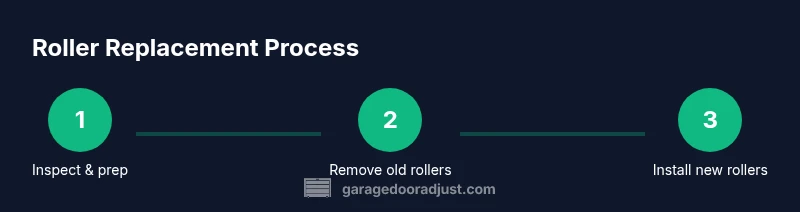
- Remove old rollers one hinge at a time, keeping hardware organized.
- Install new rollers in the same orientation and secure brackets.
- Re-seat tracks and bracket screws; ensure tracks are straight.
- Test door with the opener disconnected, then with power restored.
- Re-lubricate lightly and recheck alignment after a full cycle.
Troubleshooting common issues after roller replacement
If the door remains noisy or binds after replacement, revisit alignment first. Uneven wear on the track or brackets can cause friction; adjust the track screws to square the door. Verify that all rollers rotate freely; a stiff wheel may indicate a binding bearing or an obstruction in the track. Confirm you installed compatible parts in matched sets and that no hardware is overtightened, which can distort the track or brackets. If problems persist, inspect torsion springs and cables only with the door unplugged and consider consulting a professional. Finally, ensure the door is balanced by manually lifting it halfway; if it falls or rises unevenly, the spring system or cables may need professional service.
When to call a professional and what to expect
If you encounter torsion springs, complex track bends, or uncertain wiring, contact a licensed technician. A pro can safely disconnect springs, verify door balance, and install the correct rollers without risking injury. During the service, expect the technician to inspect tracks for damage, verify roller compatibility, and adjust tension on the spring system if needed. They will also test the door’s operation through several cycles and provide maintenance tips to extend roller life.
Tools & Materials
- Replacement rollers for garage door (nylon or steel)(Match wheel diameter, stem length, and track type; sealed bearings preferred when available)
- Socket wrench set(Use to remove hinge bracket screws and track hardware)
- Pliers(For removing stubborn pins or clips)
- Screwdrivers (Phillips and flat-head)(Assist in bracket removal and roller cap access)
- Ladder or stable step stool(Safe height for reaching tracks and brackets)
- Safety goggles and gloves(Protect eyes from debris; protect hands from sharp brackets)
- Penetrating oil(Loosen stubborn pins if needed; wipe away residue after use)
- Silicone-based lubricant(Lubricate rollers lightly; avoid petroleum-based lubricants on plastic components)
- Measuring tool (ruler or calipers)(Accurately match wheel diameter and stem length)
Steps
Estimated time: 45-60 minutes
- 1
Disconnect power and secure the door
Unplug the garage door opener and ensure the door cannot move during replacement. If possible, lower the door to a safe height and secure it with clamps or locking pliers on the tracks. This minimizes risk of the door shifting and pinching fingers.
Tip: Double-check that power is off and keep a clear path around the door. - 2
Secure and support the door
Use C-clamps on the tracks above the rollers you’re replacing to prevent movement. Have a helper assist with lifting sections if the door is large or heavy. Verify the door is stable before removing any hardware.
Tip: Support panels to prevent bending brackets during removal. - 3
Remove old rollers
Loosen and remove the screws or fasteners holding the hinge brackets that secure the rollers. Slide the roller out of the track’s wheel slot and remove from the hinge. Keep all hardware organized for reassembly.
Tip: Take a photo of each hinge setup before removal for reference. - 4
Inspect tracks and brackets
Check tracks for dents, bends, or obstructions. If a track is damaged, address it before installing new rollers. Tighten any loose brackets and ensure tracks are straight.
Tip: A straight track prevents uneven wear on new rollers. - 5
Install new rollers
Insert the new roller into the hinge slot and reattach the bracket, ensuring the wheel sits properly on the track. Do not overtighten; secure fasteners just enough to hold components in place.
Tip: Verify the wheel spins freely before reassembling the rest. - 6
Reassemble and align
Reattach all brackets and ensure tracks are aligned. Run the door slowly by hand to confirm smooth operation, then reconnect power and test with the opener.
Tip: If any binding occurs, pause and re-check alignment before running the opener. - 7
Test, adjust, and finish
Cycle the door multiple times to confirm smooth operation, listen for noise, and adjust track height if needed. Lubricate lightly and wipe away excess lubricant. Note any irregular wear for future replacement.
Tip: Keep tools within reach during testing to promptly address issues.
Got Questions?
Should I replace rollers on both sides of the door at the same time?
Yes, replacing all rollers in a matched set ensures even wear and smooth operation. Do not mix different wheel sizes or materials on the same door.
Yes—replacing all rollers in matched sets helps keep the door balanced and quiet.
Can I replace rollers myself if I have torsion springs?
Torsion springs add significant risk. If you’re not trained to work around springs, hire a professional. Work should be paused and a pro consulted for safety.
Torsion springs are dangerous; get a professional if springs are involved.
What are common signs that rollers need replacement?
Look for grinding noises, sticking doors, uneven movement, or visible wear on wheel edges. If wheels don’t spin freely, plan replacement promptly.
Noisy or sticky operation often means worn rollers.
Will new rollers reduce garage door noise?
New rollers can reduce noise, especially if you choose nylon rollers or sealed bearings. If noise persists, check track alignment and lubrication.
Yes, new rollers often cut down noise when paired with proper alignment.
How long does roller replacement typically take?
For a standard residential door with guidance, expect a moderate home project duration. Use a step-by-step approach and take breaks if needed.
Plan for a dedicated session; it can take around an hour.
Should I lubricate the rollers after installation?
Yes, apply a light silicone-based lubricant to the rollers and tracks if recommended by the manufacturer. Wipe away any excess to prevent debris buildup.
Light lubrication helps, but don’t overdo it.
Watch Video
Quick Summary
- Identify worn rollers through wobble and flat spots.
- Choose nylon or steel based on noise, climate, and door weight.
- Replace in matched sets for balanced wear.
- Always prioritize safety: unplug power and secure the door during work.