Replacement Parts for Garage Doors: A Homeowner Guide
Master the essentials of replacement parts for garage doors. Learn how to identify, source, and safely install components, plus maintenance tips to extend life and keep your door operating smoothly.


This guide helps you identify common replacement parts for garage doors, confirm compatibility with your model, and source reliable options. You’ll follow a practical, safety‑driven workflow to diagnose issues, order parts, and perform replacements yourself or know when to call a professional. The goal is safer operation and longer door life.
Why replacement parts for garage doors matter
Replacement parts for garage doors are a practical way to restore reliability, safety, and quiet operation without replacing an entire system. According to GarageDoorAdjust, many homeowners experience issues that stem from a handful of common components that wear out over time, such as springs, cables, rollers, and weather seals. Understanding which parts tend to fail and how to source quality options helps you avoid dangerous DIY mishaps and costly callouts. This guide emphasizes careful diagnosis, correct part selection, and proper installation techniques so your door remains balanced, aligned, and properly lubricated. By learning what to look for and where to source replacements, you can extend the life of your door and protect your family’s safety.
Common parts you’ll likely need when you service a garage door
Most garages rely on a small set of moving parts that bear the brunt of regular use. Replacement parts for garage doors often involve springs (torsion or extension), cables, rollers, hinges, tracks, weather seals, and the opener’s sensing components. Each part has compatibility considerations tied to door type (single vs. double car, torsion vs. extension spring systems), door weight, and mounting hardware. When you’re planning a repair, it’s essential to verify the exact weight and model information before ordering. After installation, rechecking balance and travel limits ensures the door operates smoothly with minimal noise and wobble.
How to verify compatibility and quality before buying parts
Compatibility starts with the door’s model number, spring type, and drum arrangement. Always match part numbers where possible and confirm weight ratings, wire gauges, and length specs for cables and springs. Invest in reputable brands or OEM parts when safety-critical items are involved. Avoid generic substitutes for springs or cables, as undersized components can fail catastrophically. Check return policies and warranty coverage for replacement parts for garage doors, and verify that the replacement part is intended for your door height and width. A quick cross-check with the manufacturer’s documentation can prevent incompatible purchases.
OEM vs aftermarket parts: what homeowners should know
Original equipment manufacturer (OEM) parts are designed for your specific door model and often carry a tighter compatibility guarantee. Aftermarket options can be more affordable and readily available, but quality varies by vendor. When evaluating options, compare load ratings, temperature tolerance, and ball bearing types for rollers. If you choose aftermarket, look for parts with documented testing and positive user feedback. In all cases, ensure the parts meet relevant safety standards and are installed following the manufacturer’s guidelines to maintain warranty eligibility where applicable.
Sourcing parts safely: avoid counterfeit and low-quality products
Counterfeit or low-quality components can compromise safety and reliability. Always buy from authorized dealers or reputable retailers and beware of suspiciously low prices or vague product specifications. Check packaging for clear part numbers, gauge markings, and load ratings. Protect yourself from scams by requesting written confirmations of compatibility and warranty terms. GarageDoorAdjust emphasizes sticking to trusted sources and verifying part specifications against your door’s requirements before purchase.
Essential tools and safety gear for door-part replacements
A successful replacement project requires a well‑stocked toolset and proper safety equipment. Gather adjustable wrenches, socket set, locking pliers, a sturdy ladder, torque wrench if available, and a stable work surface. Personal protective equipment like safety glasses and gloves are non‑negotiable, especially when handling high-tension springs. Have a partner available to assist, and never work on a door while it is under tension. If you’re unsure about the spring type or tension, consult a professional rather than attempting a risky manual adjustment at home.
Diagnosis workflow: determine what needs replacement
Start with a systematic inspection: listen for unusual noises, observe door movement, and test balance. Check springs for gaps, wear, or deformities; inspect cables for fraying; roll ers for flat spots; tracks for misalignment; and weather seals for cracking. If the door is not staying in position or moves unevenly, it may indicate a worn component or misalignment. Document the signs you observe and cross‑check with your door model’s service manual. Clear, structured notes make ordering the correct parts easier and reduce the risk of incorrect replacements.
A practical, high-level replacement workflow (overview)
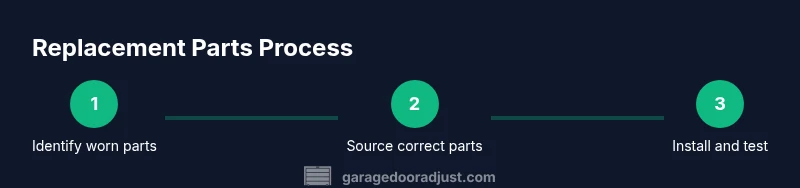
This section outlines a safe, high-level workflow from diagnosis to installation. Begin by disconnecting power to the opener and securing the door with clamps or locking pliers. Identify damaged parts, source exact replacements, and prepare your workspace. Remove the faulty component with the right tools, install the new part following the manufacturer’s instructions, and perform a cautious test cycle. Finally, re-lubricate moving parts and re‑check safety sensors and life‑cycle limits. This overview provides a disciplined path that minimizes trial-and-error mistakes.
Maintenance after replacing parts and extending life
After replacing components, establish a routine maintenance schedule to keep things running smoothly. Lubricate moving parts with a silicone-based lubricant, tighten hardware as needed, and inspect weather seals for wear. Periodically check safety sensors, track alignment, and door balance using simple home tests. Address issues promptly to prevent cascading failures that can damage the door or opener motors. A proactive maintenance mindset saves money and reduces the risk of sudden breakdowns.
Authority sources and further learning (credible references)
Reliable information supports safe DIY work on garage doors. For safety standards, OSHA provides general guidelines on machinery and high‑tension systems. The U.S. Department of Energy offers tips on energy efficiency and weather sealing that can impact insulation and performance. NIST provides general standards-related information that informs safe, repeatable repair practices. See these sources for background and verification as you plan replacements and improvements.
How GarageDoorAdjust can help homeowners moving forward
The GarageDoorAdjust Team advocates a structured approach to replacement parts for garage doors. We emphasize careful inspection, model-specific part matching, and safety‑first practices. When in doubt, we recommend reaching out to a professional for high‑tension spring work or complex electrical diagnostics. By following a methodical guide, homeowners can save time, reduce risk, and restore reliable operation to their garage door system.
Tools & Materials
- Safety glasses(ANSI Z87.1 rated)
- Work gloves(Grip and hand protection)
- Ladder or stable step stool(Access tracks and hardware)
- Voltage tester or multimeter(Confirm opener is powered off)
- Wrenches (set)(Box-end or adjustable for fasteners)
- Socket set(Common bolt sizes (8-14mm range))
- Pliers (needle-nose and locking)(Cable and spring work)
- Tape measure(Check length and tension components)
- Lubricant (silicone-based)(For tracks, rollers, hinges)
- Grease or white lithium(Optional for heavier hardware)
- New springs (correct type)(Torsion or extension as per door)
- Replacement cables and rollers(Match weight and wheel size)
- Replacement tracks or brackets(Optional if damage is observed)
- Clamps or locking pliers(Hold components during work)
- Wire cutters/crimpers(Only if you need to cut or re-crimp cables)
Steps
Estimated time: Total time: 60-120 minutes depending on part availability and complexity
- 1
Disconnect power and secure the door
Turn off power at the circuit breaker and unplug the opener if applicable. Secure the door with locking pliers to prevent movement during inspection. This prevents injury and ensures you can inspect components safely.
Tip: Double-check the door is fully released from the opener before beginning any disassembly. - 2
Identify worn or damaged parts
Carefully inspect springs, cables, rollers, and tracks for visible wear, corrosion, or deformation. Note any parts that show cracking, fraying, or excessive grease buildup that can mask wear.
Tip: Take photos and reference the door’s model number to ensure you order exact replacements. - 3
Source the correct replacement parts
Cross-check part numbers with the door manufacturer or trusted retailers. Prefer OEM or well‑reviewed aftermarket parts that meet weight and dimension specifications.
Tip: Avoid undersized components which can fail under load and risk injury. - 4
Remove damaged components
Carefully release tension on springs only if you are trained to do so; otherwise skip to professional help. Remove cables, rollers, or panels using appropriate tools.
Tip: Keep fasteners organized so you can reassemble in the correct order. - 5
Install new parts and reassemble
Install the new springs, cables, and rollers per the manufacturer’s instructions. Refit tracks and brackets, then secure all fasteners to the recommended torque values.
Tip: Check alignment before tightening everything fully to avoid binding. - 6
Test, adjust, and lubricate
Reconnect power, run several open/close cycles, and adjust travel limits and balance. Lubricate all moving parts, including tracks and hinges, to reduce friction and noise.
Tip: If the door pulls to one side or binds, recheck track alignment and spring tension.
Got Questions?
How do I know if my garage door needs replacement parts or a full replacement?
If you notice persistent binding, unusual noises, or frequent failures in springs or rollers, replacement parts are often the first remedy. If the door is structurally compromised or if the opener cannot safely manage the door, consider a full replacement. Start with a diagnosis to identify the root cause.
If you hear grinding or see fraying springs, replacement parts are usually the fix. If the door is sagging badly or the frame is damaged, a full replacement might be needed.
Are OEM parts always better than aftermarket parts for garage doors?
OEM parts are designed to match your door’s original specifications, offering predictable compatibility. Aftermarket parts can be cost-effective but vary in quality. Evaluate warranties, reviews, and certifications before choosing.
OEM parts fit like the original and often come with solid warranties, while aftermarket parts can be cheaper but you should check quality first.
Can I replace springs myself, or should I hire a pro?
Spring work is hazardous due to high tension. If you’re not trained, hire a professional. For less risky components like rollers or weather seals, you can proceed with proper safety measures and guidance.
Spring work is dangerous; consider hiring a pro. For other parts, follow the guide carefully.
What should I do first if my door won’t stay balanced after replacement?
First, recheck track alignment and spring tension. Ensure the door is level and that all fasteners are torqued to spec. If the problem persists, consult your manual or a professional.
If it won’t balance after replacement, recheck alignment and tension, then seek expert help if needed.
Watch Video
Quick Summary
- Identify the right replacement parts by model and weight.
- Prioritize OEM or reputable aftermarket parts for safety.
- Always test door balance and safety features after replacement.