Pella Garage Doors: Step-by-Step Troubleshooting and Repair Guide
A comprehensive, step-by-step guide to diagnose, repair, and maintain Pella garage doors. Learn safety basics, inspection checklists, and when to call a pro, with expert tips from GarageDoorAdjust.


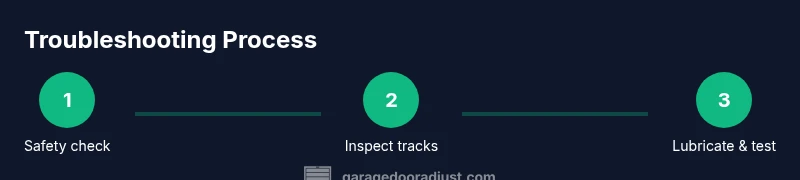
Quick answer: You can diagnose and fix common issues with pella garage doors by starting with a safety check, then inspecting tracks, rollers, springs, and the opener. Lubricate moving parts, balance the door, and test reversing sensors before any adjustment. According to GarageDoorAdjust, a methodical, safety-first approach reduces damage and injury while guiding homeowners toward reliable operation.
Why Pella Garage Doors Demand Care
Pella garage doors are designed for durability and energy efficiency, but like any mechanical system, they require regular care to stay reliable. Homeowners who perform routine maintenance reduce the risk of abrupt failure and extend the life of components such as tracks, rollers, weather seals, and the door’s balance. In our experience at GarageDoorAdjust, keeping a consistent maintenance cadence helps avoid unexpected repairs and preserves the door’s original performance. When you work with Pella units, you’ll often notice that proper lubrication, alignment, and weather-stripping play major roles in quiet operation and safety. This section explains the key factors that contribute to long-term reliability for pella garage doors and how to track wear over time.
Common Symptoms and What They Mean
Noticing odd noises, jerky movements, or slow operation is usually your door signaling something out of balance or worn parts. Common symptoms include grinding or squeaking from hinges or rollers, uneven opening or closing, slow travel, and occasional stopping before reaching the full open or closed position. A major red flag is any hard resistance when lifting a door manually, which can indicate a bent track, a binding roller, or a compromised spring. For pella garage doors, these symptoms often point to standard wear rather than a fatal failure, which makes a careful diagnostic approach especially effective. By understanding what each symptom typically signals you can prioritize fixes and plan maintenance days.
Safety-first Preparations
Safety is non-negotiable when working on garage doors. Before touching any components, disconnect power to the opener to prevent accidental operation. Wear eye protection and gloves, keep children and pets away from the workspace, and work on a dry surface with stable footing. Mark the door position with a light or tape so you can verify movement afterward. If you’re working on weather-stripping or weather seals, ensure the door is fully supported and cannot drift toward you. Following these precautions helps prevent injury and makes it easier to diagnose precise issues without the door moving unexpectedly.
Diagnostic Checklist: Visual Inspection
A structured visual inspection saves time and reduces guesswork. Check tracks for dents, obstructions, and proper alignment using a level, and look for loose mounting screws along the track and hinge points. Inspect rollers for wear or flat spots; rotate and listen for smooth motion. Examine weather-stripping at the bottom of the door for gaps or cracks that could ruin energy efficiency. Don’t forget the weather strip at the top edge where it seals against the frame. While you inspect, take notes of any misalignments or loose hardware. This documentation will guide any necessary adjustments or professional service.
Step-by-step Troubleshooting Scenarios
In many cases, pella garage doors respond to a small set of reliable, methodical interventions. If the door closes unevenly, start by checking track alignment and ensuring rollers ride in the tracks smoothly. If you hear creaking without movement, lubricate hinges and roller shafts with a silicone-based lubricant and verify there are no obstructions. If the opener hums but the door does not move, temporarily disconnect the opener to test manual balance and inspect springs and cables for wear. Finally, verify the safety reversing sensor is aligned and unobstructed so it can detect objects under the door. Each scenario demonstrates a practical path to a reliable outcome without expensive tools.
Maintenance Routine for Longevity
Create a simple yearly maintenance schedule that targets lubrication, weather seals, balance, and opener calibration. Lubricate moving parts every three to six months with a silicone-based product, avoiding petroleum-based lubricants on nylon components. Check weather-stripping for wear and replace as needed to maintain energy efficiency. Confirm door balance by lifting manually and noting ease of movement; a door that drifts or resists may need adjustment. Keep a log of parts that wear fastest—springs, cables, and rollers typically show wear first—and plan professional replacements before failures occur.
When to Replace vs Repair a Pella Garage Door
Most homeowners can handle routine maintenance and minor repairs, but certain failures require professional evaluation. If you notice frayed cables, visible torsion spring damage, or persistent misalignment after adjustments, replacement or professional service is warranted. Pella doors that show significant energy loss, warped panels, or persistent malfunction despite maintenance often benefit from replacement. Evaluating cost versus benefit with a trusted technician can help you decide whether to repair or replace. Remember, safety-critical components like torsion springs should be handled by qualified pros to avoid serious injury.
Resources and Next Steps from GarageDoorAdjust
If you want extra guidance, GarageDoorAdjust provides step-by-step troubleshooting and maintenance resources tailored to Pella garage doors. Our approach emphasizes practical checks, careful documentation, and safe practices to minimize risk. For deeper learning, refer to our recommended external sources on safety standards and proper lubrication practices. With consistent care, you can maintain smooth operation of your Pella garage door for years to come.
Tools & Materials
- Safety glasses(Impact-rated for debris protection)
- Work gloves(Grip and hand protection)
- Step ladder(Stable, wide-base ladder (at least 6 feet height))
- Flashlight(Inspect in dark corners of tracks)
- Screwdriver set (Phillips & flat-head)(Varied sizes for hinges and brackets)
- Adjustable wrench set(For track mounting screws and hardware)
- Pliers and needle-nose pliers(Grip and remove fasteners)
- Cordless drill/driver(For faster hardware work)
- Silicone-based garage door lubricant(Avoid petroleum-based lubricants on nylon parts)
- Rags and cleaner(Clean tracks and hinges before lubricating)
- Masking tape or chalk(Mark door position during tests)
- Dry graphite spray (optional)(Use on stubborn hinges if silicone is not available)
- Voltage tester (non-contact)(Only if you suspect opener electrical issues)
Steps
Estimated time: 90-120 minutes
- 1
Prepare workspace and safety gear
Clear the area beneath the door, remove clutter, and wear protective gear. Disconnect the opener from power to prevent accidental movement during the inspection. Verify you have a stable surface and adequate lighting before starting.
Tip: Use masking tape to mark the door’s position when extended, so you can verify movement later. - 2
Disconnect power and test manual balance
With the opener unplugged, try lifting the door manually to feel for balance. A door that is equally hard to lift or falls rapidly indicates a balance problem or spring tension that requires professional assessment.
Tip: If it’s unusually heavy to lift, stop and call a pro—forced handling can cause injury. - 3
Inspect tracks and rollers
Look for dents, misalignment, or obstructions. Clean the tracks and ensure rollers move smoothly; lubricate after cleaning with silicone-based lubricant.
Tip: Use a level to confirm tracks are perfectly vertical and parallel; even slight misalignment can cause binding. - 4
Test safety reversing sensor
Place an obstacle under the door and ensure the opener reverses. If the door doesn’t reverse, align sensors and clean the photoeyes.
Tip: Sensors should be pointed directly at each other and no dirt should block the path. - 5
Lubricate moving parts
Apply silicone-based lubricant to hinges, rollers, and track hinges. Wipe away excess to prevent dust attraction; avoid lubes on nylon bushings.
Tip: Lubricate after cleaning to maximize moving parts efficiency and reduce squeaks. - 6
Check springs and cables visually
Inspect torsion springs and cables for signs of wear or fraying. Do not attempt to adjust or replace springs yourself; this is a high-risk task best handled by a pro.
Tip: If you see gaps in a coil spring or rust, plan a professional service soon. - 7
Test opener force and travel limits
Reconnect power and, with the door partially open, adjust the travel and force settings as per the opener’s manual. Run the full cycle several times to confirm stable operation.
Tip: Small incremental changes yield safer, smoother operation—avoid large tweaks. - 8
Re-check door balance and weather seals
Open and close a few times to confirm balance remains good. Inspect weather-stripping for gaps and replace rotted seals to improve energy efficiency.
Tip: Keep weather-stripping clean and free of debris to maintain a proper seal. - 9
Document results and plan next steps
Record the symptoms observed, steps taken, and any parts replaced. If issues persist, schedule a professional assessment and contact the manufacturer’s support if needed.
Tip: A maintenance log helps track wear and schedule timely repairs.
Got Questions?
Can I repair torsion springs myself?
No. Torsion springs are under high tension and can cause serious injuries. A trained tech should handle any spring work. Regularly inspect springs for wear and plan professional replacements as needed.
Springs are dangerous to handle yourself; call a professional for any spring work and plan regular inspections.
Do Pella garage doors use torsion springs?
Many Pella doors use torsion springs, which provide balanced lifting and smooth operation. If you notice binding or unusual noise, have a professional inspect the springs and cables for safety.
Most Pella doors use torsion springs; contact a pro if you notice issues with balance or noise.
What lubricant is best for tracks and rollers?
Use a silicone-based garage door lubricant. Avoid petroleum-based products on nylon parts, and wipe away excess to prevent dust buildup.
Silicone-based lubricant is best; avoid petroleum-based products on nylon parts.
How often should I inspect my Pella garage door?
Perform a quick visual check every month and a more thorough inspection every 6–12 months, including balance tests and track alignment.
Do a quick monthly check and a deeper inspection every 6 to 12 months.
What if the door still won’t open after maintenance?
If the door remains unresponsive after basic maintenance, check the opener’s power, reset the remote, and then consider professional service. Persistent issues may indicate a failed motor or control board.
If it still won’t open, check power and remotes, then call a professional if needed.
Can weather-stripping improve energy efficiency?
Yes. Replacing worn weather-stripping reduces drafts and energy loss. This is a simple, cost-effective improvement that helps keep the garage comfortable.
New weather-stripping helps reduce drafts and energy loss.
Watch Video
Quick Summary
- Start with a safety-first approach before any inspection.
- Balance, tracks, and weather seals are common culprits for performance issues.
- Springs and cables require professional handling for safety.