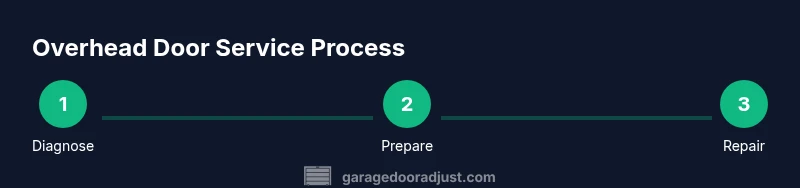
Overhead Door Service: Diagnose, Repair, and Install
Safety-focused guide to overhead door service: diagnose, repair, and install garage doors and openers. Learn practical steps, essential tools, maintenance tips, and when to hire a pro with guidance from GarageDoorAdjust.


Overhead door service involves diagnosing, repairing, and installing garage doors and openers with safety and proper balance at the forefront. You will need basic tools, a sturdy ladder, and access to the door’s model information. This guide covers safety checks, lubrication, track alignment, spring caution, and when to hire a pro.
Safety first: overhead door service basics
Working with garage doors involves high-tension springs, moving metal, and powerful openers. Before you touch anything, unplug the opener, disconnect the door from power, and secure the door in the closed position to prevent accidental movement. Keep kids and pets away, wear safety glasses, and work with a partner whenever possible. According to GarageDoorAdjust, homeowners should never bypass safety features or attempt to release spring tension without proper training. The GarageDoorAdjust Analysis, 2026, emphasizes clear workspaces, redundant lighting, and a plan for if something goes wrong. If you encounter a door that closes unexpectedly or if the track looks bent, stop and reassess. A misbalanced door can slip off tracks or pinch fingers. If you are unsure about any step, pause and seek professional guidance. This is especially true for torsion-spring systems, where a slip can cause severe injury. Always err on the side of caution and treat every repair as a potential safety risk.
Tools and materials you will need (overview)
Having the right tools ready before you begin saves time and reduces risk. Create a clean, dry workspace and arrange tools within arm's reach. A stable ladder, safety glasses, work gloves, and basic hand tools are essential. You will typically need an adjustable wrench, Phillips and flathead screwdrivers, pliers, a rubber mallet, lubricant suitable for garage doors, rags, and a voltmeter or multimeter for electrical checks. Keep spare fasteners on hand and label any wiring connections you disconnect. Optional items like clamps or a helper can make tricky alignment easier. Do not improvise with makeshift devices to hold a door under tension. Using improper tools increases the risk of injury and property damage. This section complements the Tools and Materials list below, which provides exact items and required status.
Step 1: Diagnose common symptoms and root causes
Start by observing the symptom and ruling out obvious issues: the door will not open, it reverses on the way down, or it makes grinding noises. Check if the opener is plugged in and if the wall switch lights up. For manual doors, try lifting the door halfway; if it stays put, the balance is likely off. Inspect for worn rollers, frayed cables, loose hinges, or bent tracks. A door that sticks at certain points usually indicates track misalignment or a binding component. If the door is unbalanced, you may feel that it is heavier on one side or that the springs seem under extra tension. Document each symptom with photos to reference later. This diagnostic step helps you decide whether you can safely proceed or if you should contact a pro.
Step 2: Prepare for service and isolate power
Before touching any moving parts, disconnect power at the outlet or main panel and disable any automatic sensor features. If your opener has a battery backup, unplug or de-energize that circuit too. Place a wooden block under the door to prevent it from closing unexpectedly while you work, and never place fingers between moving parts. Mark each connection you disconnect so you can reassemble correctly. If you must test sensors, cover one sensor and observe the reversal behavior; incorrect sensor alignment is a common cause of false reversals. Remember: working with exposed springs is dangerous; if you see tension or a gap in a spring assembly, stop and call a pro. Per GarageDoorAdjust guidance, never rely on guesswork when springs are involved.
Step 3: Inspect tracks, rollers, and hinges for wear
Examine all tracks for dents, bends, or loose mounting screws. Use a level to verify tracks are plumb and aligned with the door at rest. Check rollers for wear and lubrication needs; replace worn rollers per manufacturer guidance. Tighten loose screws and replace missing hinges. Keep an eye on track gaps at joints and ensure tracks are securely fastened to the framing. Track misalignment is a frequent source of binding and odd noises.
Step 4: Balance, springs, and safe lubrication
Balancing is critical. For extension springs, inspect for gaps or broken coils; for torsion springs, do not attempt to unwind or adjust tension without specialized tools and training. Lube tracks, hinges, and rollers to reduce friction, but avoid lubricants on nylon rollers in contact with the tracks where it can attract dust. When adjusting, use gradual, measured moves and test the door in both manual and assisted opening modes. If you feel the door is heavier or you hear metallic creaks, stop and re-check calibration. Incorrect tension is a common issue; attempting to re-tension springs without a pro is dangerous. Follow manufacturer guidelines strictly and maintain a consistent maintenance routine.
Step 5: Opener sensors, wiring, and safety features
Check photo-eye sensors for alignment and cleanliness; misaligned sensors can cause the door to stop or reverse. Inspect wiring for damage or loose connections; test the opener by using the switch and remote in a controlled environment. Reprogram remotes if needed and reset the opener after any significant work. If you replaced the opener, ensure wall control and remote pairing is correct. Remember to test auto-reverse using a 1 to 2 inch obstacle test. If the door fails this test, do not proceed; correct alignment or sensor issues must be resolved first. The door should stop and reverse on contact with an obstacle at any height.
Step 6: Springs and major components -- when to call a pro
Springs store energy and require special equipment to adjust safely. If springs show signs of wear, gaps, or unwinding, stop immediately. Do not attempt to wind torsion springs without proper tools and training. This is a high-risk step that is best left to a qualified technician. A pro will measure balance, test door weight, and verify spring tension using calibrated devices. The GarageDoorAdjust Team emphasizes that improper handling of springs is the leading cause of serious injuries in home garage work. If anything feels off during testing, pause and contact a licensed professional.
Step 7: Replacing tracks, rollers, or a door (when feasible)
When tracks or rollers are worn beyond recommended limits, replacement is reasonable, provided you have the proper parts and follow torque specifications. For doors with insulation or custom sizes, ensure compatibility. For installing a new opener or door, precise alignment is essential; refer to manufacturer installation instructions. If you are replacing a door, ensure the rough opening is square and that the floor is level to prevent binding. Heavy doors require a second person and proper lifting techniques. If weight or tension feels beyond your control, stop and hire a pro to avoid damage or injury.
Step 8: Maintenance plan and safety routine (long-term care)
Create a simple maintenance schedule: quarterly checks for balance, lubrication, sensor alignment, and weather seals. Keep a maintenance log with dates and notes. Regularly inspect components for wear and tear and replace as recommended by the manufacturer. This routine reduces the risk of sudden failure and preserves door life. The GarageDoorAdjust Team recommends a yearly professional inspection to catch issues that homeowners may miss, especially around springs and tracks. A consistent maintenance habit saves time and prevents costly failures.
Tools & Materials
- Sturdy ladder(Extendable, rated for your weight; place on a firm surface)
- Safety glasses(Impact-resistant protection for eyes)
- Work gloves(Grip and hand protection)
- Adjustable wrench(Use for bolts and nuts of varying sizes)
- Phillips screwdriver(Crucial for most fasteners on rails and brackets)
- Flathead screwdriver(Useful for prying and alignment tasks)
- Pliers(Cut or grip as needed during adjustments)
- Rubber mallet(Gentle tapping to avoid denting metal)
- Lubricant suitable for garage doors(Lithium-based or silicone, avoid on nylon rollers)
- Rags or shop towels(Clean up drips and wipe tracks)
- Volt/Multimeter(Electrical checks and sensor tests)
- Block of wood or door stopper(Prevents automatic closing during work)
- Spare fasteners(Keep extra screws and bolts on hand)
Steps
Estimated time: 2-4 hours
- 1
Diagnose symptoms and plan
Observe the issue, note symptoms, and decide if you will proceed. Document with photos and identify potential parts that may need replacement. This helps you avoid unnecessary disassembly and prepares you for the next steps.
Tip: Take photos before removing anything to aid reassembly. - 2
Isolate power and secure workspace
Disconnect power to the opener and use a block to prevent unexpected closure. Verify the door remains stationary and confirm the area is clear. This minimizes risk when you begin inspection.
Tip: Double-check that the door cannot move before you touch any parts. - 3
Inspect tracks, rollers, and hinges
Look for dents, bends, or loose fasteners. Verify tracks are plumb with a level and assess roller wear. Tighten screws and replace damaged hinges as needed.
Tip: Do not skip small misalignments; they can lead to bigger problems later. - 4
Check balance and lubricate
Lubricate hinges, rollers, and tracks; avoid over-lubricating nylon rollers. Check balance by manually lifting the door; it should stay in place if balanced. Re-test manually and with the opener to confirm.
Tip: Use light, even coats of lubricant; wipe away excess to prevent dust buildup. - 5
Test sensors and wiring
Clean photo-eye sensors and ensure alignment. Inspect wiring for wear or damage and secure loose connections. Reprogram remotes if necessary and confirm the auto-reverse feature works with a small object test.
Tip: Ensure no reflective surfaces near sensors that may disrupt alignment. - 6
Address springs with caution
If springs show wear or tension is off, stop and do not adjust. Springs store energy and require specialized tools for safe handling. Contact a licensed pro to assess and adjust tension.
Tip: When in doubt, pause work and call a professional. - 7
Decide on component replacement
Replace worn tracks or rollers only if you have the correct parts and follow torque specs. For heavy or oversized doors, evaluate if replacement is necessary and safe. Reassemble the system in reverse order and test thoroughly.
Tip: Torque specs matter; incorrect torque can create misalignment or safety issues.
Got Questions?
Is it safe to repair a garage door spring myself?
No. Springs store energy and require specialized tools and training. DIY spring work can cause serious injury.
Springs store energy; do not attempt to repair them yourself.
What are common signs that my overhead door needs service?
Unusual noises, door that does not stay balanced, slow response, or misaligned tracks indicate service is needed.
Listen for noises, watch for imbalance, and check for track issues.
Do I need specialized tools to service an overhead door?
Yes for springs or sensors. Basic maintenance can use common hand tools, but difficult tasks require specialized equipment.
You may need special tools for springs or sensor work.
How often should I lubricate tracks and hinges?
Typically every 3 months; wipe off excess and avoid over-lubricating nylon rollers.
Lubricate every three months and keep surfaces clean.
Can I install a new opener myself?
Some models permit DIY installation following the manual, but electrical work can require a licensed professional.
DIY opener installation is possible in some cases, but be cautious with electrical work.
When should I replace the entire door vs repair?
If panels are warped, rusted, or tracks are damaged beyond alignment, replacement may be worth it.
If the door is severely damaged, replacement may be the better choice.
Watch Video
Quick Summary
- Disconnect power before service to avoid shock or movement.
- Springs are hazardous; call a pro for spring work.
- Inspect tracks and rollers for alignment and wear.
- Test safety features after any adjustment.
- Maintain a regular maintenance schedule to extend life.