Infinity Garage Door Repair: The Homeowner's Step-by-Step Guide
A detailed, homeowner-friendly guide to diagnosing, repairing, and maintaining Infinity garage doors and openers. Learn safe practices, essential tools, step-by-step instructions, maintenance plans, and expert insights from GarageDoorAdjust to keep your garage door operating smoothly in 2026.


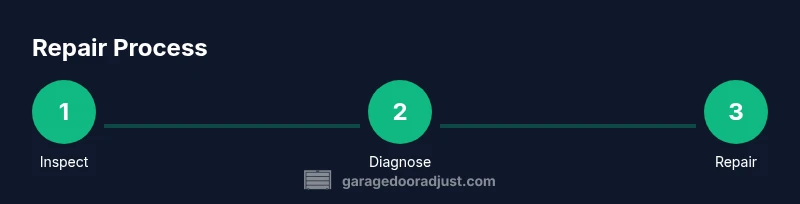
Infinity garage door repair involves diagnosing and fixing common issues with garage doors and openers, using safe, proven steps. In this guide, you’ll learn how to assess door balance, lubricate moving parts, address misalignment, and replace simple components. This quick answer sets you up for a detailed, homeowner-friendly repair process with practical tools and considerations.
What Infinity Garage Door Repair Means for Homeowners
Infinity garage door repair centers on a practical, safety-first approach to diagnosing and fixing common door and opener issues. According to GarageDoorAdjust, a methodical assessment before touching any components reduces risk and increases success. Homeowners should start with a basic inspection of balance, tracks, rollers, weather seals, and the garage door opener. The goal is to identify issues that are simple to correct—such as a noisy hinge, sticking rollers, or a misaligned track—before escalating to more complex fixes. This mindset aligns with typical homeowner workflows: observe, test, document, and proceed. Remember that a well-executed repair preserves safety, extends the life of the door, and improves energy efficiency in the garage. Infinity garage door repair is not merely about fixing a misbehaving door; it is about restoring smooth operation and reliable protection for your home. Throughout this guide you will encounter practical steps, safety checks, and maintenance strategies designed for the average homeowner facing common garage door problems.
Safety First: Precautions When Working on a Garage Door
Working on a garage door can be dangerous if safety rules are ignored. Always disconnect power to the opener, secure the door so it cannot fall unexpectedly, and wear safety glasses and gloves. Keep children and pets away from the workspace, and never place hands near springs or moving parts while the door is energized. The GarageDoorAdjust team emphasizes establishing a clear, lit workspace and using a sturdy ladder. If you notice frayed cables, cracked tracks, or damaged weather seals, stop and reassess. The goal of Infinity garage door repair is to prevent injuries and structural damage while you perform routine maintenance and minor fixes. By adhering to these precautions, you’ll reduce risk and improve your chances of a successful, full-door repair or a safe, DIY maintenance session.
Tools and Materials You’ll Need for Infinity Garage Door Repair
Before you start, assemble the essential tools and materials. A basic toolkit will cover most homeowner repairs: safety glasses, work gloves, a stable ladder, a set of screwdrivers (Phillips and flat-head), a socket or ratchet set, and a bottle of quality lubricant (silicone spray or white lithium grease). Keep rags or paper towels handy for cleaning and wiping excess lubricant. A tape measure helps verify track alignment and door height, while penetrating oil or spray cleaner can prepare stubborn hinges. If you encounter worn rollers, weather stripping, or end bearings, plan to replace those parts with compatible equivalents. Having these items ready minimizes delays and keeps Infinity garage door repair on track. Note: avoid power tools near springs and consult the manual for torque specifications.
Step-by-Step Assessment: Diagnosing Common Garage Door Problems
Begin with a visual check of the door and its components: look for misaligned tracks, loose mounting brackets, rust on hardware, and any unusual gaps. Next, disconnect the opener and manually raise the door to feel for binding or imbalance. If the door feels heavy or pulls to one side, balance adjustments or spring issues may be present. Test the safety reversal by placing an object on the floor in the path of the door and confirming the opener stops. Listen for unusual noises when the door moves: grinding, squeaking, or rattle typically signal worn hinges, dry rollers, or track misalignment. Keep a simple log of observations, times, and results of each test. Infinity garage door repair success hinges on a clear, structured diagnostic process that distinguishes minor adjustments from major replacements.
Addressing Common Issues: Tracks, Rollers, and Hinges
Track alignment and roller health are frequent culprits in garage door trouble. Gently test each roller by sliding the door with the opener off; if a roller binds or rocks, remove the hinge cover and inspect the wheel for wear. Use a level to verify tracks are plumb and straight; loosen and retighten bracket screws as needed, avoiding overtightening that can bend metal. Clean tracks with a dry cloth, then apply a light lubricant on bearings and rollers—not on the track surfaces themselves unless the manufacturer recommends it. For bent tracks, do not force the door; instead, call a professional to assess repair options. This section focuses on non-spring issues that homeowners can safely handle to restore smooth operation while preserving the longevity of the door system in Infinity garage door repair routines.
Springs, Cables, and Safety Devices: What to Look For
Springs and cables bear the brunt of lifting your door and can be dangerous if mishandled. Do not attempt to replace torsion springs or modify cables without proper training. Visual signs of trouble include gaps in cables, frayed strands, or obvious wear at the winding cones. If you notice a door that feels lighter or sags at one side, springs or balance components may be at fault. Check the safety sensors and photo-eye alignment, ensuring the sensor LEDs show a steady, aligned signal. Any hiss, crack, or sharp sound during operation warrants immediate inspection by a professional. Infinity garage door repair emphasizes conservative approaches: fix what you can safely, and escalate when risk exceeds your comfort level.
Lubrication, Weather Stripping, and Maintenance Routine
A simple maintenance rhythm can prevent many issues. Apply a light lubricant to moving joints, rollers, hinges, and the track hardware after cleaning the surfaces. Avoid heavy grease on the tracks as it can attract dust and hamper movement. Replace weather stripping if it shows dryness or cracking to maintain energy efficiency. Create a seasonal maintenance schedule: check balance, lubricate, test safety features, and inspect for wear. Document your servicing dates and any parts replaced, so Infinity garage door repair remains predictable and affordable over time. Proper lubrication and weatherization help doors operate quietly and last longer, reducing the chance of expensive repairs later.
When to Call a Professional: Complex Repairs and Safety Risks
Some issues are beyond safe DIY repair. If the door is off-balance, springs or cables appear damaged, or you hear persistent creaks around the springs, stop immediately and call a trained technician. In many regions, torsion spring work is hazardous due to high tension; professional technicians have the required tools and safety protocols. If your door reverses unpredictably, fails to open, or the opener requires repeated recalibration, a pro can diagnose sensor alignment and unit calibration precisely. Infinity garage door repair advocates for safety-first decisions: not every fix is a DIY fix, and knowing when to engage a pro preserves your home’s security while protecting you from injury. Keep in mind warranty terms, as attempting unauthorized repairs may void coverage.
The Homeowner’s Maintenance Plan: A Practical Roadmap with GarageDoorAdjust
Concluding your Infinity garage door repair journey means setting a durable maintenance plan. A simple quarterly routine covers visual inspections, lubrication, weatherstripping, and balance tests. Maintain a repair log and keep essential spare parts on hand for minor fixes. The GarageDoorAdjust team recommends prioritizing safety, using the right lubricants, and avoiding risky tasks like spring replacement unless you are trained. If you document problems and address them early, you can extend the life of your door and opener, reduce noise, and improve energy efficiency in the garage. This approach aligns with industry best practices and reflects GarageDoorAdjust’s commitment to empowering homeowners with practical, safe guidance.
Tools & Materials
- Safety glasses(ANSI-rated impact protection)
- Work gloves(Leather or reinforced fabric)
- Stable ladder(OSHA-approved, 2–4 step or taller depending on door height)
- Screwdriver set (Phillips & flat-head)(Sizes #1- #3 and 6-8 in set)
- Socket/wrench set(Metric and SAE, 1/4"–3/8" drive)
- Lubricant (silicone spray or white lithium grease)(Light, dry-lubricant preferred)
- Rags/paper towels(For cleaning tracks and joints)
- Replacement parts (as needed) such as rollers and weatherstripping(Only swap parts that show wear and match manufacturer specs)
- Measuring tape(For track alignment and door height)
Steps
Estimated time: 1-2 hours
- 1
Clear workspace and protect yourself
Move vehicles away, remove obstacles, and put on safety glasses and gloves. Establish a well-lit, stable work area so you can inspect components without triggering accidental movement. This first action minimizes risk before any disassembly or testing.
Tip: Stand to the side of the door, never in the door’s path, while working near moving parts. - 2
Disconnect power and secure the door
Unplug the garage door opener or switch off the circuit, then physically clamp the door in the open position if possible. This prevents unexpected movement while you inspect springs, tracks, and hinges.
Tip: Never rely on the ceiling-mounted switch alone; lockout/tagout if available. - 3
Check balance by manual movement
With the opener off, manually raise and lower the door about halfway. If it feels heavy or drifts to one side, balance or spring issues may exist and require professional attention.
Tip: If the door is hard to move even manually, stop and recheck safety measures before proceeding. - 4
Test opener function and safety reversal
Reconnect power and test the opener’s auto function. Place a small object on the floor to verify the safety reversal stops the door, ensuring it won’t close on objects or feet.
Tip: If reversal fails, do not attempt further tests; call a pro immediately. - 5
Inspect tracks, rollers, and hinges
Look for bent tracks, misaligned brackets, and worn rollers. Wipe tracks clean and ensure rollers rotate smoothly with minimal resistance.
Tip: Do not force misaligned tracks; realign gradually and evenly to avoid bending. - 6
Lubricate moving parts
Apply a light lubricant to hinges, rollers, and pivot points. Avoid over-lubricating as excess lubricant can attract dust and gum up the mechanism.
Tip: Use lubricant sparingly to keep components free-spinning without creating slip hazards. - 7
Tighten brackets and verify track alignment
Check and snug bracket screws; verify tracks are plumb with a level. Small, even adjustments prevent larger misalignments later.
Tip: Over-tightening can strip screws or warp metal; tighten gradually and recheck. - 8
Test safety devices and door operation
Cycle the door several times to ensure smooth operation, proper reversal, and stable stopping points. Confirm sensors are aligned and LEDs function as expected.
Tip: Keep a log of test results for future maintenance. - 9
Document results and plan next steps
Record parts inspected or replaced, dates, and any lingering symptoms. Decide if you can continue with maintenance or if you need a professional service.
Tip: Schedule the next preventive maintenance window to stay ahead of problems.
Got Questions?
Is Infinity garage door repair safe for a DIY project?
DIY can be safe with precautions; avoid springs and high-tension components unless you have training. Follow safety guidelines and use the right tools.
Yes, but only with proper safety steps and by avoiding high-risk parts like springs.
What is the first step in diagnosing garage door problems?
Begin with safety: disconnect power, secure the door, and inspect for obvious issues like misaligned tracks or worn hardware.
Start by ensuring safety and then check for obvious mechanical issues.
Can I repair torsion springs myself?
Torsion springs are dangerous and generally require a trained professional. Do not attempt spring replacement without proper equipment and training.
Torsion springs are hazardous; it’s best to hire a pro for that task.
How often should I lubricate garage door parts?
Lubricate moving parts at least every 6-12 months, or more often in extreme climates. Use a light lubricant and avoid over-application.
Lubricate about twice a year or when you notice stiffness.
When should I replace rather than repair components?
If components show excessive wear, cracking, or damage—especially tracks, rollers, or springs—replacement is safer and more reliable.
If wear is visible or performance is poor, replacement is wiser than a patch.
Watch Video
Quick Summary
- Inspect balance and tracks monthly.
- Use the right lubricant and avoid overapplication.
- Disconnect power before any inspection.
- Call a professional for springs or cables.
- Maintain a simple maintenance log.