Garage Door Spray Lube Guide: Safe, Easy Lubrication
Learn how to safely apply garage door spray lube to hinges, rollers, and tracks. This guide covers lubricant types, prep, and maintenance to reduce noise and improve operation.


Garage door spray lube is a simple, effective way to quiet and smooth a residential door by reducing friction on hinges, rollers, and tracks. This guide outlines when to lube, how to choose the right spray, and safe application steps to keep your door operating quietly for years. Follow these steps to improve performance without overdoing it.
What is garage door spray lube and when to use it?
Garage door spray lube is a silicone-based or light synthetic lubricant designed to reduce friction on moving door components such as hinges, rollers, tracks, and torsion spring bearings. It helps doors operate more smoothly and quietly, especially if you notice squeaks, sticking, or jerky motion. According to GarageDoorAdjust, routine lubrication can extend hardware life by minimizing wear and tear caused by metal-on-metal contact. Use spray lube when you hear squeaks, notice stiffness, or feel resistance during manual opening or closing. Avoid over-lubing, which can attract dust and create a sticky buildup that impedes movement.
In residential settings, a single thorough application at key contact points is typically enough to restore smooth operation. For best results, pair lubrication with periodic inspection and cleaning of tracks and rollers. The GarageDoorAdjust team recommends scheduling lubrication as part of your annual maintenance routine, especially before high-use seasons when doors get heavier use.
Types of lubricants and how they differ
There are a few common choices for garage door lubrication, and choosing the right one matters for performance and longevity. Silicone-based sprays are widely favored for general-use lubrication because they dry to a film that resists dust buildup and won’t degrade plastic rollers. White lithium grease or a light synthetic grease can be appropriate for metal-on-metal contact, but these heavier products can attract more dirt if applied in exposed areas. Avoid using penetrating oils like WD-40 on moving door parts; they can dry out and attract grime over time. GarageDoorAdjust Analysis, 2026, suggests silicone-based products provide a good balance of protection and ease of cleanup for most residential systems. When applying, focus on hinges, pivot points, rollers (where accessible), and the ends of tracks where lubrication helps reduce friction. Keep in mind that some rollers contain nylon or plastic components that react differently to lubricants—silicone sprays are usually safest for these parts.
For exterior hardware exposed to sun and weather, consider products labeled for outdoor use. If your door uses torsion or extension springs, avoid direct spraying on the springs themselves; instead, apply to bearing surfaces or end bearings and allow any excess to drip away from the coils. Remember that the goal is to reduce friction, not to coat every surface aggressively. A light, even film typically suffices.
Safety, prep, and surface cleaning before lubrication
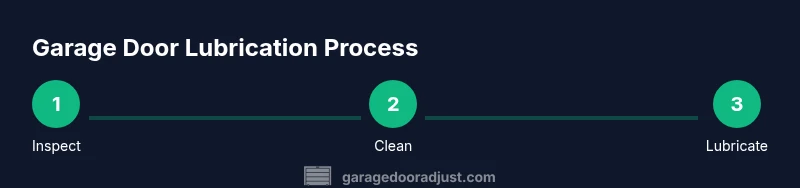
Safety first: disconnect the garage door opener or unplug it if you have an automatic door, and make sure the door is secured in the half-open position so it cannot accidentally close while you work. Wear gloves to protect skin from solvents, and use a stable ladder or step stool if you need to reach high tracks or hinges. Start by cleaning the surfaces to be lubricated with a damp cloth or a mild degreaser solution to remove dust, grime, and old grease. Allow surfaces to dry completely before applying lubricant. This prep ensures the lubricant adheres properly and distributes evenly once you operate the door. If you notice significant wear on hinges or rollers, plan for replacement rather than attempting to salvage worn parts with lubricant alone. The aim is smooth movement, not masking underlying damage.
Step-by-step workflow overview: where to apply spray lube and why
The practical lubrication spots typically include: upper and lower door hinges, rollers (where exposed), the track junctions where rollers ride, pivot points, and attachments to the frame. Lubricating these contact points reduces resistance and noise caused by metal-on-metal interaction. Avoid over-spraying or soaking components; a light mist is usually sufficient. After application, manually operate the door a few times to distribute the product and wipe away any excess to prevent dust collection. If the door remains loud after lubrication, there may be alignment or worn parts that require attention beyond lubrication.
Common mistakes and troubleshooting when lubing a garage door
Common mistakes include applying spray lubricant to the springs, spraying directly onto moving tracks for long periods, or using petroleum-based products that can degrade plastics. Over-lubing can create a slippery surface that attracts dust and debris, paradoxically increasing resistance. If the door still creaks after lubrication, check for misalignment, worn rollers, or damaged track sections. In such cases, lubrication is not a cure-all and parts replacement or professional adjustment may be required. While DIY lubrication is effective for most homeowners, never work on a door that is under tension from springs without proper knowledge and safety gear. If in doubt, consult a professional.
Establishing a maintenance routine to keep doors quiet and reliable
Create a simple maintenance calendar that includes one lubrication session per year, plus a quick quarterly visual check of tracks, rollers, and hinges. Regular cleaning to remove dust and debris helps the lubricant perform better and last longer. Keep a small bottle of silicone spray on hand and reapply as needed after seasonal use or extreme weather. Documenting the date of each lubrication helps you track when parts reach the end of their service life and when a replacement becomes prudent.
Tools & Materials
- Silicone-based garage door lubricant spray(Choose a product labeled safe for metal and plastic parts; avoid petroleum-based sprays)
- Lint-free cloth or microfiber rag(For wiping excess lubricant and cleaning surfaces)
- Mild soap and water or mild degreaser(Use for initial cleaning if heavy grime is present)
- Nitrile gloves(Protect skin from solvents and grime)
- Stable ladder or step stool(Provide safe access to high tracks and hinges)
- Screwdriver or small pry tool(Only if needed to inspect or adjust components)
- Door chocks or wedges(Secure the door in the open position during work)
Steps
Estimated time: 15-25 minutes
- 1
Power down and secure the door
Unplug the opener and disconnect the power to prevent accidental movement. Secure the door in the halfway open position using wedges or clamps so it cannot drop suddenly while you work. This initial safety step reduces risk of injury and keeps the door stable as you perform lubrication.
Tip: Test the door’s balance by lifting manually before starting; if it feels heavy or sticks, address those issues first. - 2
Inspect hinges, rollers, and tracks
Look for worn bearings, cracked rollers, bent tracks, or loose fasteners. Note any parts that look degraded and require replacement rather than lubrication. A quick visual inspection helps you target the right areas for lubrication and prevents masking serious wear.
Tip: Take photos of any damaged areas to guide replacements or to show a pro if you seek help. - 3
Clean surfaces before lubricating
Wipe away dust and old grease from hinges, rollers, and track junctions with a lint-free cloth. If surfaces are very dirty, use a mild soap solution and let them dry completely before applying spray lube. Clean surfaces ensure the lubricant adheres properly and distributes evenly.
Tip: Avoid using harsh solvents that can degrade plastic rollers. - 4
Apply lubricant to moving contact points
Hold the spray can a few inches away and apply a light, even mist to hinges, pivot points, and the ends of tracks where rollers meet. Do not spray directly onto springs or gears. Let the product settle briefly and avoid pooling.
Tip: Focus on areas where you hear squeaks or feel resistance; a light touch is enough. - 5
Distribute and wipe away excess
Operate the door slowly to distribute the lubricant, then wipe away any drips or excess with the cloth. Excess residue can attract dust or mix with dirt, reducing effectiveness over time. Re-check that no lubricant has migrated to unwanted areas.
Tip: Never spray into the track channels; keep spray to the contact points only. - 6
Test the door and reassemble
Reconnect power and test the door with the opener and by hand to ensure smooth operation. Listen for new noises and observe any roughness. If the door performs well, you’ve completed a successful lubrication session.
Tip: Note any continued issues that may require part replacement or professional service.
Got Questions?
What is garage door spray lube and why should I use it?
Garage door spray lube is a light lubricant designed to reduce friction on moving parts such as hinges and rollers. Using it regularly can quiet squeaks and improve door movement. It is not a repair for worn or damaged components.
Garage door spray lube helps moving parts slide smoothly and quietly, but it won't fix broken parts.
Can I use any spray on my garage door?
Not all sprays are safe for garage doors. Avoid penetrating oils or heavy greases that can attract dust or degrade plastic parts. Silicone-based sprays are typically the safest choice for most residential doors.
Stick with silicone-based sprays and avoid penetrating oils on garage doors.
How often should I lubricate a standard residential garage door?
Most homes benefit from yearly lubrication as part of an annual maintenance routine. If you use the door heavily or notice noise and stiffness, you can supplement with another quick lube mid-year.
Aim for once a year, more if you use the door a lot or notice noise.
Is it safe to lubricate the springs?
Springs should generally not be sprayed with lubricant. Lubricating springs can mask wear and potentially affect spring tension. Focus lubrication on hinges, rollers, and bearing ends instead.
No, don’t lubricate the springs. Lubricate the joints and rollers instead.
What signs indicate I should call a pro instead of lubricating?
If you notice grinding sounds from the springs, visibly worn components, or misalignment, it’s safer to call a professional. Lubrication won’t fix structural damage or broken parts.
If there’s heavy wear or misalignment, contact a pro.
Watch Video
Quick Summary
- Lubricate hinges, rollers, and track contact points to reduce friction.
- Choose silicone-based lubricant for most residential doors.
- Safety first: disconnect power and secure the door before work.