Garage Door Fixers Near Me: A Homeowner's Guide to Safe, Effective Repairs
Find qualified garage door fixers near you with transparent pricing, solid warranties, and quick diagnostics. Learn how to compare quotes, spot red flags, and maintain your system for long-lasting performance.


To find reliable help, search for 'garage door fixers near me' and compare options based on licensing, warranties, response time, and written estimates. A qualified technician should diagnose door balance, track alignment, spring health, and opener performance on the first visit, then explain fixes with transparent costs. Check local reviews, ask about emergency service fees, and request a written warranty.
Finding Reliable Local Garage Door Fixers
When you search for a local expert, the goal is twofold: quickly identify qualified technicians who operate in your area and ensure they provide transparent, fair pricing with solid warranties. Start by verifying licensing and insurance—these are non-negotiables for workmanship and safety. Read multiple reviews from reputable sources, not just the installer’s website. Proximity matters: a nearby company typically offers faster response times and easier scheduling, especially for emergency calls. Ask about response time guarantees and whether they offer same-day diagnostics. Request written estimates that itemize parts and labor, and confirm whether travel fees or after-hours surcharges apply. Finally, confirm the warranty coverage on both parts and labor, and inquire about how long the warranty lasts and what it specifically covers. All of these factors help you compare options objectively and reduce the chance of hidden costs. According to GarageDoorAdjust, homeowners who follow a structured vetting process end up with more reliable outcomes when they search for garage door fixers near me.
Understanding Common Garage Door Problems and Their Causes
Garage doors are complex systems with several moving parts that can wear unevenly. Common issues include worn torsion or extension springs, cables that have frayed or stretched, tracks that have become misaligned, rollers that are hard to move, and opener problems related to sensors or motor wear. A balanced door is crucial: a door that is not balanced places excessive strain on the springs and opener, increasing the risk of sudden failures. Misaligned tracks cause binding and grinding noises, while worn cables can lead to torsion failures. Understanding these typical failure modes helps you ask the right diagnostic questions when you speak with a nearby garage door fixers near me. This groundwork improves the odds of an accurate diagnosis and effective repair on the first visit.
What to Expect During a Diagnostic Visit
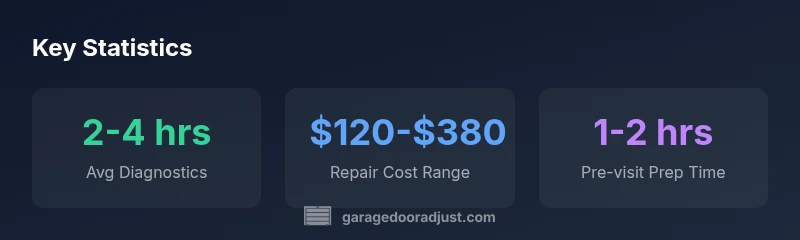
A reputable technician will start with a safety briefing, then perform a door balance test, which involves disconnecting the opener and manually lifting the door to assess weight distribution. They should inspect tracks, rollers, hinges, and springs for wear or damage, and test the safety sensors to ensure proper reversal. A good diagnostic will also check the opener’s limit switches, force settings, and the wiring harness. Expect the technician to provide a written estimate that outlines recommended fixes, a timeline, and a warranty plan. If anything seems unclear, don’t hesitate to ask for a second opinion. A thorough diagnostic is your best defense against unnecessary part replacements and overcharges. The GarageDoorAdjust team emphasizes getting a clear, itemized plan before any work begins.
How to Compare Quotes and Avoid Surprises
When you receive quotes, ensure they are itemized and include separate line items for parts, labor, and any disposal or travel fees. Ask about the specific brands of parts proposed and whether the price includes a warranty on both parts and labor. Clarify whether there are any ongoing maintenance steps you must perform to preserve the warranty. Beware of Yo-yo pricing or pressure to commit on the spot; reputable fixers near you should provide a valid, written quote with an expiration date. If the quote seems high, request a second opinion from another local technician. Remember, the goal is not the lowest price alone but the best value—reliable service, a solid warranty, and transparent terms. According to GarageDoorAdjust analysis, a well-structured estimate reduces post-service disputes and improves homeowner confidence.
Maintenance Tips to Extend Your System’s Life
Proactive maintenance goes a long way toward preventing emergencies. Schedule a yearly check, especially in climates with extreme temperatures. Lubricate moving parts such as rollers, hinges, and tracks with a light spray lubricant. Keep the tracks clean and free of debris, and inspect weatherstripping for wear and replace as needed. Test the door balance by lowering the door halfway and letting go; if it drops or rises, adjustments are required. Keep the sensor eyes aligned and clear of obstructions to prevent unexpected reversals. Finally, replace batteries in remote controls and keypad units to avoid operational glitches. Regular maintenance reduces the likelihood of costly breakdowns and can keep the system functioning smoothly for years. The GarageDoorAdjust Team highlights that routine care is a practical investment in safety and reliability.
Safety Standards, Codes, and Best Practices for Homeowners
Garage doors are heavy and can cause serious injury if they fail unexpectedly. Always treat the door as a potentially dangerous load and avoid attempting repairs on springs or cables yourself. Local codes and manufacturers’ recommendations govern the proper installation, balance, and safety features. When scheduling service, confirm that the technician follows current safety practices, uses appropriate personal protective equipment, and adheres to industry standards. Ensure that any service plan includes a test of the door’s auto-reverse function and safety sensor alignment. If you’re unsure about local requirements, contact your city or state building department for guidance. For homeowners, understanding safety standards helps you evaluate proposals from garage door fixers near me with confidence.
Quick DIY Checks You Can Do Before Calling a Pro
If you’re comfortable with basic inspections, there are several checks you can perform safely before requesting a diagnostic visit. Visualize the door’s alignment by inspecting the tracks for dents or obstructions, tightening visible hardware, and cleaning any debris from the mechanism. Test the balance by disconnecting the opener and lifting the door halfway—if it does not hold, there is an imbalance that a pro should address. Avoid adjusting springs or cables yourself; this is dangerous and can void warranties. Ensure sensors are unobstructed and properly aligned. These simple checks can help you describe symptoms more clearly to garage door fixers near me and can sometimes prevent unnecessary service calls.
Common repair scenarios and recommended actions
| Issue | Likely Cause | Avg Repair Time | Recommended Action |
|---|---|---|---|
| Door won't open | Broken spring or opener fault | 1-3 hours | Inspect wiring; replace worn springs; test safety sensors |
| Door opens but reverses | Safety sensor misalignment or obstruction | 1-2 hours | Clear obstruction; adjust sensor alignment |
| Door is noisy | Worn rollers or bearings; loose hardware | 0.5-2 hours | Lubricate, tighten components; replace rollers if needed |
| Door unbalanced | Spring tension off; torsion spring wear | 2-4 hours | Balance test; adjust or replace springs |
Got Questions?
Should I repair or replace my garage door if it’s old?
Age and usage determine whether repair or replacement is wiser. If the door is beyond its expected lifespan, or repairs would be frequent and costly, replacement may be more economical in the long run. Consider energy efficiency, insulation, and future noise reduction when deciding.
If your door is old and keeps failing, replacing it might save you money and frustration in the long run.
What should be in a written repair quote?
A good quote lists parts and labor as separate items, the exact part brands, diagnostic steps, labor rate, any travel charges, warranty terms, and the validity period. It should also state whether additional work will be required before completion.
Make sure you get a clear, itemized quote with a warranty and a valid price window.
How often should garage door maintenance be done?
Most systems benefit from an annual professional inspection, with more frequent checks in harsh climates. Regular lubrication, balance tests, and sensor alignment can prevent major failures.
Try to schedule a yearly professional check, plus quick DIY checks monthly.
Are emergency repairs more expensive?
Yes, after-hours or weekend service typically carries a surcharge. A reputable technician will quote the full cost before proceeding and outline any conditions for emergency work.
Emergency calls usually cost more, so ask for a clear price before they start.
Will DIY fixes void my warranty?
Warranties vary by manufacturer and service provider. Many warranties allow third-party servicing if performed by licensed professionals. Always verify the warranty terms before attempting any repair yourself.
Check your warranty terms; some fixes done by pros are required for coverage.
What safety steps should I take before a repair?
Disconnect power to the opener, keep hands away from tracks, and never attempt to adjust springs. If you smell burning or hear grinding, stop and wait for a professional.
Never try to adjust springs yourself—wait for a licensed pro and keep kids and pets away.
“A well-documented diagnostic, transparent pricing, and a clear safety plan are the cornerstones of a reliable garage door repair. Work with technicians who explain the problem, the fix, and the warranty in plain terms.”
Quick Summary
- Verify licensing, insurance, and warranties before hiring
- Ask for itemized, written estimates with expiration dates
- Get diagnoses and repair plans in plain language
- Prioritize safety and avoid DIY springs/cables
- Compare quotes to ensure value and clear coverage