Compact Garage Doors Ltd: Homeowner's How-To Guide
A practical, safety-first guide for diagnosing, repairing, and installing compact garage doors ltd. Step-by-step instructions, tools, and maintenance tips for homeowners.


Here's what you'll accomplish: diagnose, select, and install or repair a compact garage door system, with a compatible opener and safety checks. You'll need basic hand tools, measurement gear, ladders, and a helper for heavy panels. This guide uses clear, step-by-step instructions tailored for compact setups and the brand context of compact garage doors ltd, ensuring you avoid common installation pitfalls.
Why compact garage doors ltd matter for small garages
In tight spaces, a compact garage doors ltd design can maximize usable room inside and on the driveway, while delivering equal or better security and curb appeal. Homeowners with narrow driveways or single-car garages often grapple with door swing clearance and headroom constraints. The compact solutions offered by compact garage doors ltd focus on panel profiles, track geometry, and lightweight but sturdy constructions that fit standard openings without compromising strength. According to GarageDoorAdjust, choosing a compact design can reduce headroom requirements by several inches and minimize floor-space consumption when the door is raised. This means you can park closer to the door, install storage cabinets above the opening, or place shelving along the sidewalls without hitting a bulky system. This section covers the core theory behind compact doors, the benefits they bring in urban or suburban settings, and how to evaluate a model against your garage’s constraints.
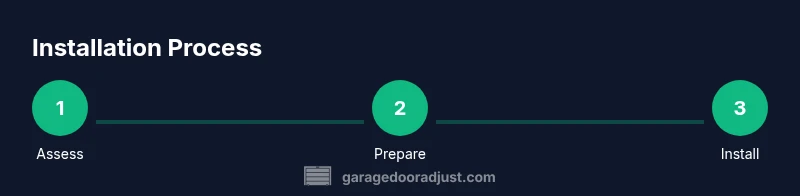
First, assess the doorway opening: measure width, height, and clearance at the corners. Record irregularities such as uneven jambs or a sloped floor. Document existing hardware—hinges, rollers, tracks—and note whether the frame is square. When you start with accurate measurements, you can filter options so that the door you choose will fit without forcing modifications to your walls or ceiling. The brand context here emphasizes a practical, hands-on approach—no guesswork. Homeowners who prepare thoroughly typically finish with fewer surprises, a smoother installation, and a door that behaves consistently in cold, hot, or humid weather. The following sections translate these ideas into a concrete plan you can follow in your own garage.
Key Design and Sizing Considerations
Compact garage doors ltd come in several configurations, but the key to a successful fit is accurate sizing and compatible hardware. Start by confirming the opening width (clear between jambs) and height (ceiling clearance, motor height). Add an allowance for weatherstripping and potential insulation, since these add thickness to the door and can affect track alignment. Track geometry is crucial: torsion vs extension spring systems, curved vs straight tracks, and radius size influence how the door moves and how much headroom you must leave. For a compact setup, look for shorter hinge-to-hinge distances and narrower panel widths with a low-profile track system. If your garage has uneven jambs or a sloped floor, you may need shims, adjustable brackets, or a slight modification to the track mounting points. The goal is a square, plumb opening that allows the door to travel vertically with minimal friction.
Measure twice, order once: the same approach you use for standard doors works here, but the tolerance is tighter. Record notch positions for mounting brackets and choose a model with pre-punched holes aligned to your framing. Check opener compatibility and clearance for the rail and belt drive. For insulation benefits, evaluate the door’s R-value and panel composition. Compact designs don’t automatically mean poor insulation; the right panel and gasket choices can deliver warmth in winter while maintaining a light overall weight. In your planning, document every relevant measurement and keep a copy of the model’s installation manual for reference. The brand emphasis is practical and methodical—treat this as a project you can complete with careful preparation. The next sections break down the materials and steps you’ll need to implement these sizing decisions successfully.
Choosing Materials and Insulation
Choosing the right materials for compact garage doors ltd hinges on climate, noise considerations, and energy efficiency. Aluminum and steel panels offer durability and a slim profile, while composite or wood-look options can improve curb appeal. If you live in a place with wide temperature swings, insulation is not optional: seek doors with rigid foam cores and gasketed joints that reduce heat exchange. Heavier panels typically offer better rigidity, but may require stronger tracks and springs, impacting installation effort. For small or attached garages, added insulation helps minimize heat loss and prevents condensation on colder days. Evaluate the door’s R-value and look for seals along all edges to minimize drafts. Remember that glazing panels or windows add natural light but can affect insulation if not properly sealed. At compact garage doors ltd, you’ll find designs with low-profile rails that maintain a compact footprint while delivering solid structural integrity. Always confirm that door material and insulation are compatible with your chosen opener and mounting hardware. The goal is a door that balances weight, durability, insulation, and aesthetics, so your garage remains comfortable year-round.
Step-by-Step: Installation Prep
Preparation is the foundation of a successful installation. Start by clearing the workspace, inspecting the ceiling and walls for damage, and ensuring the doorway is square. Gather all required tools and mark mounting points on the jambs with painter’s tape to avoid misalignment during drilling. Double-check that you have the appropriate opener, tracks, rollers, and brackets compatible with compact designs. Remove any obstacles that could interfere with panel handling, such as stored items or loose cords. If the space is tight, consider temporarily moving the vehicle and using a helper to manage heavy components. Maintain clean, dry surfaces to prevent slips, and wear protective eye gear and gloves throughout the process. A well-prepared opening reduces the risk of binding and makes reassembly straightforward. Finally, review the installation manual for each component’s orientation and fastener type, since every compact design may have slightly different instructions.
Step-by-Step: Actual Installation
Install the vertical tracks first, ensuring they are perfectly plumb and anchored. Insert rollers into the door panels and connect panels to form a flat, balanced stack. Secure hinges and ensure the panel edges align flush with jambs. Mount the horizontal tracks and smoothly guide the door into the opening, checking that there is even clearance along the sides. Attach the opener rail, align the motor with the door, and connect safety sensors according to the manufacturer’s wiring diagram. Program the opener’s limits, test the automatic reverse feature, and verify that the door closes slowly and evenly. Lubricate moving parts with a light silicone or lithium-based spray and wipe away excess to prevent dust buildup. Finally, perform a full-cycle test: open, close, pause mid-travel, and verify that the door stops correctly in each position. If not, recheck alignment and spring tension. When complete, record the settings and store the manual for future reference.
Safety, Maintenance, and Troubleshooting
Safety should be your top priority throughout every phase. Before starting, disconnect the garage door opener from power to avoid accidental activation. Use a stable ladder and never stand under a door while it is being installed or moved. Regular maintenance includes lubricating tracks, hinges, and rollers every six months, inspecting springs for signs of wear, and testing the auto-reverse mechanism monthly. If you detect unusual noises, binding, or balky movement, stop and inspect for binding or misalignment. In cases of suspected spring failure or damaged tracks, contact a qualified technician rather than attempting to adjust high-tension components yourself. With compact garage doors ltd systems, ensure all fasteners remain tight and gaskets seal properly to prevent drafts and moisture intrusion. Keeping a log of maintenance tasks helps you track wear patterns and schedule timely replacements.
Common Mistakes and How to Avoid Them
Rushing measurements is a frequent error. Take time to verify width, height, and headroom multiple times, especially in older openings. Underestimating the weight of the door leads to underpowered openers and distorted tracks. Mixing components from different brands can result in misalignment or safety gaps. Finally, skipping safety checks, such as the auto-reverse test or sensor alignment, can create serious hazards. By planning thoroughly, measuring carefully, and following the installation manual for your exact compact design, you minimize risk and improve long-term performance. As you progress, cross-check each step with the model’s guidelines and confirm compatibility with your chosen opener and wall structure. The aim is a reliable, safe, and energy-efficient door that lasts for years.
Authority and References
For further reading and verification, consult official resources from recognized institutions on garage door safety and installation best practices. The references below provide background on child-safe and consumer-safety considerations, and they help validate the steps outlined in this guide.
- U.S. Consumer Product Safety Commission: Garage Door Safety (https://www.cpsc.gov/guidance/garage-doors)
- National Safety Council: Home Garage Safety Tips (https://www.nsc.org/home-safety)
- University extension resources on structural openings and door installation (https://extension.edu/garage-doors-guide)
Tools & Materials
- Measuring tape(At least 25 ft (8 m) to measure opening and track space)
- Level(Ensure jambs are perfectly square)
- Cordless drill/driver(For mounting tracks and brackets)
- Screwdriver set(Philips and flat-head sizes)
- Socket/wrench set(For bolts and springs where applicable)
- Step ladder(Stable and tall enough to reach tracks)
- Safety gear(Goggles, gloves, and a hard hat if needed)
- Pry bar(Optional for stubborn old hardware)
- Weatherstripping kit(Seal edges to improve insulation)
- Lubricant spray(Silicone or lithium-based, for tracks and hinges)
- Mounting brackets and screws(Check compatibility with your door kit)
- Marker and painter’s tape(Mark alignment points before drilling)
Steps
Estimated time: 3-6 hours
- 1
Assess the doorway
Take accurate measurements of width, height, and clearance. Inspect jambs for squareness and note irregularities in the floor, ceiling, and frame. Photograph the opening for a reference and confirm any obstructions that could complicate installation.
Tip: Label each measured dimension and add 5–10 mm allowance for weatherstripping. - 2
Check opener compatibility
Verify that your chosen compact door’s weight, width, and track length are within the opener’s specifications. Review motor horsepower and rail length to ensure safe, smooth operation.
Tip: Double-check the rail height clearance to avoid hitting the ceiling when opening. - 3
Remove existing hardware
Safely detach old panels, tracks, and rollers. Keep fasteners organized and labeled so reassembly is straightforward if you’re upgrading rather than replacing entirely.
Tip: Use a magnetic tray to prevent screws from rolling away. - 4
Prepare the opening
Clean tracks and jambs; correct any misalignment with shims or adjustable brackets. Ensure the floor is level and the jambs are plumb to reduce binding.
Tip: Dry-fit components before final mounting to catch misalignment early. - 5
Install tracks and rollers
Attach vertical tracks, then slide rollers into the door panels. Ensure tracks are vertically plumb and parallel; secure with brackets.
Tip: Clamp tracks temporarily to hold them in place while fastening. - 6
Mount door panels
Stack panels according to your kit, secure hinges, and verify flush alignment with jambs. Check for even gaps along the sides.
Tip: Test balance by supporting the bottom panel and lifting gently to feel for binding. - 7
Install opener and wiring
Mount the opener rail, connect safety sensors, and program travel limits. Route wires away from moving parts and secure with clips.
Tip: Test safety reverse and adjust limits before closing fully. - 8
Adjust, test, and finalize
Fine-tune spring tension if accessible, lubricate moving parts, and seal edges. Conduct full-cycle tests and keep a record of settings.
Tip: Take final measurements and keep the manual handy for future maintenance.
Got Questions?
Is a compact garage door suitable for small garages?
Yes. Compact designs are optimized for tight spaces and can fit standard openings with less overhead than traditional doors. They maintain strength and security while minimizing the footprint.
Yes, compact designs fit small garages while staying strong and secure.
What should I know about opener compatibility?
Verify weight, width, and rail length compatibility between the door and the opener. Ensure horsepower and safety-reversing features meet your door’s requirements.
Check weight, width, rail length, and safety features to ensure compatibility.
Do I need professional installation for compact doors?
Professional installation is recommended if you are not confident with measurements or high-tension components. A qualified technician helps ensure safety and correct operation.
If unsure about wiring or springs, hire a pro for safety and proper setup.
How often should I service a compact garage door?
Aim for maintenance every six months, including lubrication, inspection of tracks, and safety sensor tests. Address any unusual noises promptly.
Maintain every six months and test sensors regularly.
Can insulation be added to an existing door?
Retrofit insulation is possible with compatible panels or add-on kits. Check compatibility with your model and ensure seals are intact after installation.
Insulation can be added if your model supports retrofit kits.
Watch Video
Quick Summary
- Measure openings accurately before ordering.
- Square and level ensure smooth door travel.
- Test safety features and opener compatibility.
- Plan insulation to improve energy efficiency.