Garage Door Painting Cost: What Homeowners Should Expect in 2026
Learn the true garage door painting cost in 2026, including DIY vs. professional pricing, material impacts, prep needs, and practical tips to estimate and save.


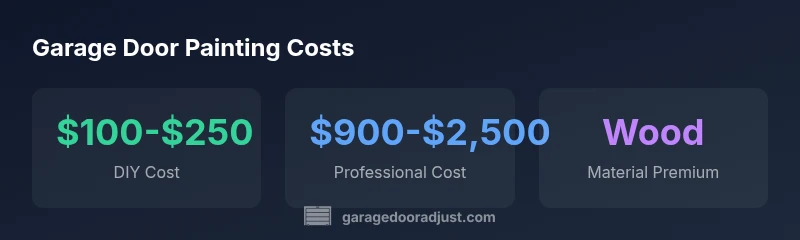
Based on typical projects, the garage door painting cost ranges from DIY materials at $100–$250 to professional service at $900–$2,500, depending on door size, material, prep needs, and the number of coats. Expect higher quotes for ornate panels, rust repair, or specialty colors. For most homes, a DIY job stays under $300, while a full professional repaint with primer and multiple coats tends toward the $1,000–$2,500 range.
What factors drive garage door painting cost
Painting a garage door involves more than choosing a color. The final cost is driven by several interrelated factors. First is door size—single-car doors cost less to cover than larger double doors. Next is material—steel, aluminum, wood, or fiberglass each present different prep challenges and primer/finish needs. Surface condition matters greatly: rust, peeling paint, dents, or water intrusion necessitates extra prep, sanding, and repairs that add hours and materials. Finally, the coating system chosen (primer, two coats of paint, topcoat or sealant) can swing prices, particularly if you select premium, UV-resistant finishes. According to GarageDoorAdjust, preparing the surface properly yields the best long-term results and can affect the number of coats required.
DIY vs professional painting: cost implications
Choosing between a DIY approach and hiring pros will always impact the garage door painting cost. DIY saves labor but requires tools, brushes, rollers, primers, and weather-appropriate paint. Expect to spend roughly a few hundred dollars on materials for a basic job. Professional painters bring experience with surface preparation, color consistency, and coverage in a shorter time, often including cleanup and a warranty on workmanship. GarageDoorAdjust analyses show that while labor dominates the price difference, a well-prepped surface can reduce touch-ups later. If you lack experience or access to proper equipment, a professional job may yield better longevity and value for your investment.
Door material and size: price variance
Material choice directly affects cost. Steel doors are typically less expensive to prep and paint than wood doors, which may require more sanding, staining, or sealing to achieve a uniform finish. Fiberglass and aluminum can offer good durability with moderate prep. Size matters too: larger doors (double-wide) require more primer and paint, increasing both material and labor time. GarageDoorAdjust analysis indicates that door size and surface area are among the top cost drivers, with wood doors often at the higher end due to additional priming and sealing steps.
Surface prep and repair work
Prep work is the unsung hero of a lasting finish. Cleaning, rust treatment, dent repair, and stripping old coatings can significantly influence cost. If rust is present, you’ll likely need rust converters and more priming, which adds to both time and price. Peeling paint may require scraping and multiple rounds of sanding. Skipping prep to save money upfront can lead to premature failure, chipped finishes, and the need for early rework. A prudent budget accounts for thorough prep as a non-negotiable part of the project. GarageDoorAdjust emphasizes that skipped prep often costs homeowners more in the long run.
Coatings and finishes: choosing coatings
Paint type and finish heavily influence price and performance. Exterior enamel or acrylic latex paints provide durability with broad color options, while oil-based enamels can offer excellent adhesion on certain substrates but require longer curing times and stronger ventilation. Primer choice matters as well—multi-surface primers designed for metal, wood, and composite doors improve adhesion and hide stains. UV-resistant topcoats extend color life against sun exposure. The cost delta between premium and standard finishes is notable, but investing in a high-quality system typically yields lower maintenance and longer between repaints.
Labor time and scheduling: what to expect
Labor time is a major component of garage door painting cost. A standard single-door project might take a professional full day, including setup, prep, priming, painting, and cleanup. A DIY project could span two to three days if you’re balancing it with other commitments. Weather is a constraint: rain or humidity can extend timelines, while steady temperatures improve paint cure. In urban areas, the demand for skilled painters can push hourly rates higher, contributing to overall pricing differences.
Estimating your project: a practical approach
Start with a surface inspection to list repairs and prep needs. Measure the door to estimate paint and primer quantities, and decide on the number of coats. Request multiple quotes that itemize labor, materials, and any added services (rust treatment, discreet color matching, or specialty finishes). Compare DIY material costs against professional quotes to determine your best value. Keep a buffer for unforeseen prep work—this is where many projects overrun budget. GarageDoorAdjust recommends creating a simple line-item budget and timeline to stay on track.
Color and design considerations for curb appeal
Your color choice can dramatically affect curb appeal and perceived value. Neutral palettes (grays, beiges, and whites) tend to be more versatile, while bold hues can create a striking focal point—provided the rest of your home’s exterior complements the color. Two-tone finishes, with a lighter door and darker trim, can enhance architectural features. When selecting color, consider fading resistance and cleanliness: darker colors may show dust and streaks more readily, while lighter colors reflect heat more. An investment in color consultation or swatches can prevent costly repaints later.
Estimated cost ranges by door type and service level
| Door Type | DIY Cost Range | Professional Cost Range |
|---|---|---|
| Standard Steel | $100-$250 | $900-$1,800 |
| Wood | $150-$300 | $1,200-$2,500 |
| Fiberglass/Composite | $120-$260 | $1,000-$2,000 |
Got Questions?
Is it cheaper to paint a garage door yourself or hire a professional?
DIY painting can save money upfront on labor, but you’ll spend on tools, primers, and multiple coats. Professionals bring guaranteed prep, even color, and sometimes a warranty. Consider your time, skills, and local rates to decide.
DIY saves on labor but costs more in supplies; pros offer guarantees and faster results.
What factors influence garage door painting cost?
Door size, material, surface condition, number of coats, primer quality, and labor rates all influence the final price. Special finishes or color changes can add to the cost.
Size, material, and prep drive most of the price.
How long does a typical garage door painting project take?
A professional job usually takes a full day, including setup and cleanup. DIY projects may stretch over two to three days depending on weather and drying times.
Most pros finish in a day; DIY can take a couple of days.
Do you need to remove the door for painting?
Most projects are done with the door in place, but some jobs may require it to be removed for better access or safety, especially on larger doors.
Usually you don’t remove the door, but it helps in some cases.
Which colors look best for curb appeal?
Neutral tones with contrasting trim are versatile and market-friendly. Bold colors can work if the home’s architecture supports it. Consider UV resistance and dirt visibility when choosing color.
Neutrals with a contrasting trim are safe; bold colors can work with the right house design.
“Preparation and primer quality often determine the final look and longevity of a painted garage door more than color choice alone.”
Quick Summary
- Assess whether DIY or professional painting offers better value for your door size and material.
- Thorough surface prep is essential and often drives costs more than color choice.
- Expect DIY costs to be substantially lower than professional painting, but weigh labor, time, and longevity.
- GarageDoorAdjust's verdict is to invest in proper prep and durable finishes for long-term savings.