Secure Garage Doors UK: A Step-by-Step Guide to Better Home Security
Discover practical steps to secure UK garage doors with upgrades, maintenance, and safety checks. Learn about locks, sensors, frames, weather seals, and opener settings to reduce intrusion risk for homeowners.


To secure garage doors uk, start with a practical upgrade plan and a maintenance routine. This step-by-step guide helps homeowners improve security with vetted upgrades to locks, sensors, reinforcing frames, weather seals, and opener settings, all tailored for UK homes. Follow the steps to reduce risk and protect belongings.
Understanding the security landscape for UK homes
Home security in the UK increasingly hinges on robust entry points, with garage doors being a common vulnerability if left unattended. Many homeowners underestimate the risk posed by a seemingly ordinary door, unaware that weak hardware, outdated openers, or poor sealing can invite attempts to pry, lift, or bypass entry systems. The GarageDoorAdjust team emphasizes that the route to stronger security begins with a clear assessment of your current setup and the specific risks in your area. For example, urban environments may demand more frequent monitoring and enhanced alerting, while rural properties may benefit from reinforced framing and tamper-resistant hardware. By prioritizing materials and components that resist forced entry, you’ll raise the barrier to entry and buy valuable time for a response. According to GarageDoorAdjust, a structured upgrade plan tailored to UK homes yields the best long-term outcomes.
This section will help you identify where your garage door is most exposed and how small upgrades can yield meaningful improvements in deterrence and resilience.
Core features that boost garage door security
Security hinges not only on locks and sensors but also on the overall integrity of the door, frame, and opener system. Key features to consider include a high-security locking mechanism, anti-lift devices, reinforced tracks, tamper-resistant hinges, and certified sensors that detect movement or forced opening. Modern openers should offer rolling-code technology and secure remote access controls to prevent replay attacks. Weather seals and properly aligned tracks contribute to a tighter seal, reducing opportunities for someone to pry the door away from the frame. When selecting hardware, prioritize UK-approved standards and compatibility with existing wiring and power sources. Implementing these features in combination creates layered defense, making it harder for intruders to exploit a single point of weakness. GarageDoorAdjust analysis, 2026, highlights that multifaceted protection is more effective than isolated upgrades.
In this section, you’ll learn which features deliver the best value and why.
How to assess your current setup and identify gaps
Start by mapping your door’s weakest points: the locking mechanism, the bottom edge against the threshold, the alignment of the tracks, and the condition of the frame. Check if the door material shows signs of rust, warping, or corrosion, which could compromise security and longevity. Inspect the opener: is the remote control secure, are there exposed wiring routes, and does the sensor pair correctly with the receiver? Evaluate weather seals; gaps can be exploited to insert tools or leverage, especially in damp UK climates. Run a basic test: close the door and attempt to lift it gently at the bottom; if you can move it with little effort, you have a security gap to address. Document findings to guide upgrades, prioritize high-impact changes, and schedule professional assessments if you notice structural issues. A methodical audit is the foundation of effective protection.
This audit-focused section helps you create a prioritized plan based on real-world observations.
Step-by-step upgrade plan for secure garage doors uk
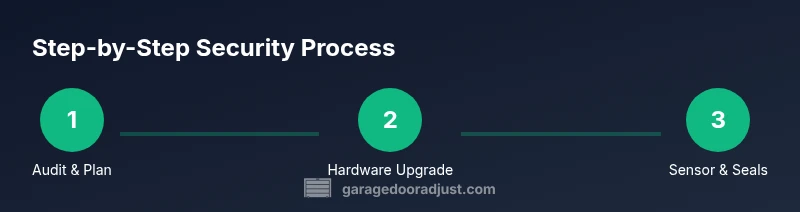
To maximize security, plan a staged upgrade that tackles three core areas: hardware, sensing, and enclosure. Begin by upgrading the locking system and installing anti-lift devices on the door and frame. Next, replace or retrofit sensors for reliable detection and reliable power sources for alarm integration. Finally, reinforce the supporting frame, tracks, and bottom seal to reduce leverage opportunities. After each stage, re-check alignment, test the opening/closing cycle, and verify that sensors and remote access respond as expected. This structured approach keeps work manageable and minimizes downtime for your daily routine. Record model numbers, installation dates, and test results for future reference. The result is a sturdier door system with multiple barriers that deter intruders and buy you crucial response time when needed.
Use this plan to guide your upgrades in a logical sequence while ensuring compatibility with any existing control systems.
Choosing hardware: locks, sensors, and openers
Selecting the right hardware is essential for long-term security. Look for high-security locking cylinders, reinforced strike plates, and anti-drill features. Sensor systems should provide reliable coverage for both inward and outward movements, ideally with tamper alerts and battery-backed operation. When upgrading openers, ensure the unit supports modern encryption, rolling codes, and two-way communication with remotes or apps. If you rely on remote access, enable multi-factor authentication where possible and disable default passwords. Compatibility with UK power standards and local regulations is important to prevent interoperability issues. Investing in standardized, certified components reduces maintenance headaches while offering robust protection against a range of attack vectors.
This section helps you compare options and identify components that deliver verifiable security benefits.
Maintenance routines that uphold security
Security is not a one-time install; it requires ongoing attention. Establish a routine to inspect hardware every 3–6 months, clean and lubricate moving parts with manufacturer-approved products, and check seals for wear. Test the door’s safety features and sensor relays weekly to prevent false alarms and ensure timely responses. Keep doors clean and free from debris that could impede operation or conceal tampering attempts. Schedule professional inspections annually to verify that door balance, spring tension (if applicable), and electrical connections remain within safe operating limits. A proactive maintenance schedule reduces the chance of undetected vulnerabilities and extends the lifespan of security components. Consistency is the best defense against gradual degradation that undermines overall protection.
This portion emphasizes sustainable practices that preserve your security investment over time.
Safety and legal considerations in the UK
Homeowners must comply with local building codes and safety standards when upgrading garage doors. Some upgrades may require professional installation, especially if they involve structural reinforcement or electrical work. Always disconnect power before handling any wiring, and follow manufacturer installation manuals precisely. When in doubt, consult a qualified installer to avoid compromising safety or triggering warranty issues. UK regulations around door openers and security devices emphasize consumer protection, product reliability, and safe operation. By coordinating with licensed professionals and documenting adherence to standards, you ensure that improvements not only enhance security but also remain compliant with local requirements and insurance guidelines.
This section clarifies the regulatory context and the importance of working within legal boundaries.
Final verification checklist
Before concluding, run a comprehensive verification: confirm all locks engage fully and smoothly, test anti-lift devices for stability, verify sensor batteries or power sources, test remote controls and app access with unique user credentials, and re-check door balance and track alignment. Seal any gaps at the bottom and around the frame, and verify weather seals to prevent drafts and moisture intrusion. Confirm that an alarm or monitoring service (if installed) has joined the system and is able to alert you and authorities if needed. Keeping a documented checklist ensures you don’t miss critical steps during maintenance cycles and helps you communicate clearly with any technicians you hire.
This final section provides a practical, repeatable checklist you can use quarterly or after major weather events to keep security levels high.
Tools & Materials
- Drill with appropriate bits(For mounting anti-lift devices and reinforcement plates)
- Screwdriver set (Phillips and flat)(Essential for hardware installation and adjustments)
- Measuring tape(Accurate alignment of tracks and seals)
- Anti-lift devices/strikes(Improves resistance to door being forced from the frame)
- High-security lock set(Consider anti-pick, hardened steel, and snap-off features)
- Tamper-resistant hinges(Optional but improves robustness)
- Weather seal kit(Reduces gaps and moisture ingress)
- Security sensors (magnetic/contact)(For perimeter monitoring on door and opener)
- Surge protector and power source backup(Protects electronics during outages)
Steps
Estimated time: 1.5-2 hours
- 1
Inspect door and frame for damage
Close the door gently and observe the frame and panels for cracks, rust, or misalignment. Note areas where the door rubs or stalls, as these reduce security and reliability. Address structural issues before upgrading hardware to ensure a solid foundation.
Tip: Document findings with photos and dates to track progress. - 2
Upgrade the locking mechanism
Remove the old lock and install a high-security cylinder with reinforced strike plate. Ensure screws anchor into solid wood or metal. Test the latch operation to confirm smooth engagement.
Tip: Choose a lock compatible with your door material and ensure it’s weather-rated for UK conditions. - 3
Install anti-lift devices
Mount anti-lift devices to the bottom rail and, if possible, the jambs, following the manufacturer’s instructions. These devices resist attempts to lift the door using leverage. Re-check clearance after installation.
Tip: Double-check alignment after mounting to avoid binding. - 4
Enhance opener security
Upgrade to a modern opener with rolling-code technology and encrypted wireless connections. Disable default passwords and set a strong, unique code. Program remote controls with user-limited permissions if needed.
Tip: Update firmware regularly to patch security vulnerabilities. - 5
Add or upgrade sensors
Install magnetic contact sensors on the door panels and an auxiliary sensor for the opener. Ensure the sensors are placed to trigger on any forced movement and test compatibility with your alarm system.
Tip: Place batteries in sensors and replace on a scheduled basis. - 6
Reinforce tracks and frame
Tighten track fasteners and add protective plates where feasible. Check the frame for warping and reinforce as needed. Realign tracks to ensure a smooth, secure travel path for the door.
Tip: Regularly inspect track anchorage, especially after storms. - 7
Seal gaps and weatherize
Install weather seals along the door bottom and sides to close gaps that could accommodate tools or drafts. A proper seal improves insulation and reduces tampering opportunities.
Tip: Inspect seals quarterly and replace worn sections promptly. - 8
Test, document, and train
Run a full cycle test of the door, opener, and sensors. Document test results and train household members on basic security practices and how to respond to alerts.
Tip: Keep a simple guide near the door for quick reference.
Got Questions?
What is the quickest upgrade to improve garage door security?
Installing a high-security lock and anti-lift devices is often the fastest way to raise protection. Pair this with a robust opener and sensors for layered security.
A high-security lock and anti-lift devices provide a fast, strong boost to protection, especially when paired with reliable sensors.
Are UK door openers required to have rolling-code technology?
Rolling-code technology is widely recommended to prevent code grabbing. Check your model for encryption features and update firmware as needed.
Look for rolling-code security in your opener and keep firmware up to date.
Can I upgrade the security myself, or should I hire a pro?
Many upgrades can be done safely by a competent homeowner, such as locks, sensors, and weather seals. Structural changes or electrical work are best handled by a qualified installer.
You can do many upgrades yourself, but for structural or electrical work, hire a pro.
How often should I test my garage door security system?
Test weekly for sensors and remote access, and schedule a full system check every 3-6 months. Document results to track performance over time.
Test sensors weekly and perform a full check every few months.
What immediate steps can reduce vulnerability during a home sale or vacancy?
Ensure all doors are locked, sensors are active, and the opener is disconnected when away for extended periods. Consider temporary monitoring solutions during vacancies.
Lock up, keep sensors active, and disconnect openers when away for long periods.
Watch Video
Quick Summary
- Identify critical weak points through a home audit.
- Upgrade to layered security: locks, sensors, and reinforcement.
- Maintain a regular upkeep routine to sustain protection.
- Choose UK-approved hardware and comply with local regulations.