What Makes a Garage Door Quiet: How to Quiet a Door
Learn practical factors that reduce garage door noise, from lubrication and alignment to springs and opener adjustments. A clear, step-by-step guide for homeowners seeking a quieter, smoother door operation.


You're about to learn how to reduce garage door noise with a practical, step-by-step approach. By the end, you’ll identify common noise sources, apply safe lubrication, tighten loose hardware, align tracks, and verify door balance. The goal is a quieter, smoother operation that improves safety and comfort, without unnecessary costs. This guide uses homeowner-friendly diagnostics and clearly explained steps.
Understanding What Makes a Garage Door Quiet
Understanding what makes a garage door quiet begins with recognizing that noise usually results from friction, misalignment, or vibration. When a door operates smoothly, rollers glide, bearings rotate, and the opener engages quietly. The core idea behind quieting your door is balancing mechanical efficiency with safe operation, so components run with minimal resistance. This balance is achievable through a combination of careful inspection, timely maintenance, and deliberate adjustments. By focusing on the most common culprits—track misalignment, loose hardware, dry rollers, and worn seals—you can reduce noise without replacing major components. Remember, small, consistent maintenance is more effective than sporadic, large fixes. GarageDoorAdjust recommends checking for signs of wear during every season change and addressing them before they escalate into louder, riskier problems.
Noise Contributors: Tracks, Springs, and Hardware
Noise in a garage door often trails from several common culprits. Misaligned tracks cause the door to grind as it travels up or down, especially where a roller edge contacts the track. Loose or worn hardware—bolts, hinges, and bracket connections—amplifies vibration and produces rattling sounds at the ends of travel. Rollers and bearings that are dry or worn increase resistance and can generate squeaks or grinding. Finally, worn seals or weatherstripping can create rubbing noises as the door seals against a frame. A structured inspection helps pinpoint which category your door falls into. Start with a visual scan of the tracks for dents, a check of all fasteners for snugness, and a quick test of the door’s movement while the opener is disengaged to locate persistent rattles or rubs. If a component looks damaged, consider replacing it or consulting a professional to avoid safety risks. Addressing these sources often yields noticeable quieting without expensive repairs.
The Role of Lubrication and Tightening
Lubrication is a foundational step in reducing door noise because moving metal parts thrive on proper surface lubrication to minimize friction. Use a high-quality silicone-based or lithium-based garage door lubricant on the rollers, hinges, bearings, and contact points along the track where metal panels rub. Avoid generic WD-40 as a long-term lubricant because it can attract dust and dry out over time. Tightening is equally important: loose hardware allows vibration to transfer into the door frame, producing louder sounds. After identifying loose bolts or screws, tighten them to the manufacturer’s recommended torque, ensuring not to over-tighten and strip threads. The combination of fresh lubrication and tightened connections often yields a noticeably quieter operation, especially when paired with clean, rust-free tracks. Regular maintenance—every 6 to 12 months—keeps these benefits durable and predictable.
Insulation, Panels, and Opener Interference
Beyond mechanical components, the door’s insulation and panel construction can affect perceived noise. A well-insulated door reduces vibration transfer to the garage interior, making the door feel and sound smoother from inside the space. If weather stripping is damaged, it can rub against the frame and create a soft thud during cycles. Opener interference also plays a role: a mounted opener that isn’t secured can vibrate and amplify operation sounds. Ensure the opener’s mounting screws are tight and that the rail is straight and aligned with the door’s path. If the door still feels noisy after addressing tracks, hardware, and lubrication, consider upgrading weather stripping or upgrading to panels with better dampening material. A quieter door often results from combining sound-dampening features with sound-reducing installation practices.
A Safe, Step-by-Step Quieting Plan
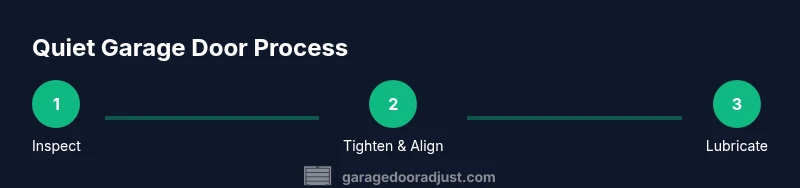
A systematic plan balances safety with effective noise reduction. Begin with a full visual inspection of tracks, hardware, and seals. Next, tighten all visible fasteners and check the track alignment. Apply lubrication to moving parts and test the door’s movement without load. Finally, assess spring balance and opener settings. If you encounter any component showing significant wear—especially springs or cables—refrain from DIY adjustments and call a professional. This approach minimizes risk while maximizing quiet results and preserves system safety.
When to Seek Professional Help and Safety First
If you notice fraying cables, visible track damage, or signs of spring wear, seek professional help promptly. Torsion springs, in particular, store high tension, and improper handling can lead to severe injury. Even when DIY maintenance seems straightforward, never attempt to adjust springs, exonent components, or cables beyond your comfort level or tool access. A professional inspection can identify subtle misalignments or insidious wear that an untrained eye might miss. GarageDoorAdjust emphasizes safety: if you’re ever uncertain about a component’s integrity or the door’s balance, contact a qualified technician. Regular, supervised maintenance is the safest path to a quiet, reliable door.
Tools & Materials
- Safety glasses(Protect eyes from debris and accidental slips)
- Step ladder(Stable and tall enough to reach tracks safely)
- Screwdriver set (Phillips and flathead)(For hinges, brackets, and fasteners)
- Wrench or socket set(For tightening track bolts and hardware)
- Garage door lubricant (silicone or lithium-based)(Apply to rollers, hinges, and bearings)
- Lint-free cloths(Wipe excess lubricant and residue)
- Degreaser or cleaner(Clean tracks if built-up grime is present)
- Replacement hardware (optional)(Keep on hand if a fastener shows wear)
Steps
Estimated time: 45-90 minutes
- 1
Inspect door and safety features
With the opener unplugged and door fully closed, visually inspect tracks, rollers, hinges, and weather stripping for wear or damage. Listen for what components contribute most to the noise during manual operation. This baseline helps you target issues efficiently.
Tip: Document any worn parts with photos before replacing or adjusting. - 2
Tighten loose hardware
Go around the door and tighten loose bolts on hinges, brackets, and track attachments using the appropriate wrench or socket. Ensure fasteners are snug but not over-tightened, which can strip threads or warp metal.
Tip: Tighten in small increments and re-test movement after each pass. - 3
Realign tracks if needed
Check vertical tracks for even gaps and straight alignment. If a track is off, loosen the mounting brackets slightly, reposition, then retighten. Misaligned tracks cause rubbing and grinding sounds during travel.
Tip: Use a level to confirm tracks are plumb before final tightening. - 4
Lubricate moving parts
Apply lubrication to rollers, hinges, bearings, and the contact points where the door slides along the track. Wipe away excess to prevent dust buildup. Recycle the lubricant only as directed by its label.
Tip: Avoid applying lubricant to nylon rollers if the manufacturer cautions against it. - 5
Check balance and safety features
Manually lift the door to the halfway point and release. If it stays put, balance is likely good; if it rises or falls, springs or balance components may need service. Do not attempt to adjust torsion springs yourself.
Tip: If the door feels heavy or unbalanced, stop and contact a pro. - 6
Test the opener settings
Reconnect power and run a full open/close cycle. If available, enable soft-start/soft-stop and recheck the safety sensor alignment. Confirm the door stops gently at the ends of travel.
Tip: Record the force and travel limits settings for future reference.
Got Questions?
What is the most common cause of a loud garage door?
Most often, dry or worn rollers, loose hardware, or misaligned tracks. Start by inspecting these components and addressing any wear or looseness.
Commonly it’s dry rollers, loose hardware, or misaligned tracks. Begin there.
Can lubrication alone quiet a garage door?
Lubrication helps, but it isn’t a cure for worn or bent parts. If noises persist after lubrication, inspect for damaged tracks, hinges, or rollers and replace as needed.
Lubrication helps but isn’t a cure for worn parts. Check tracks and rollers if noise continues.
Is it safe to adjust tracks or tighten bolts myself?
Tightening bolts and adjusting tracks is generally safe with basic tools. Do not attempt spring or cable adjustments yourself, as those carry serious risk.
Yes to hardware tightening, but avoid springs and cables.
How long does it take to quiet a loud door?
Minor fixes can take 30–60 minutes; a comprehensive tune-up including alignment and lubrication may take up to 90 minutes. Larger wear may extend this.
Expect 30 to 90 minutes depending on the issue.
When should I replace springs?
Springs wear over time and are critical to safe operation. Replace them only with professional service; DIY can be dangerous.
Springs wear out and should be replaced by a pro.
Do openers contribute to noise, and how to quiet them?
Openers can add to noise if mounting is loose or settings are aggressive. Use soft-start/stop and secure the mounting, but address mechanical wear first.
Yes, opener noise can contribute; adjust settings and secure the mount.
Watch Video
Quick Summary
- Identify root noise sources before fixes.
- Balance and lubrication are foundational to quiet operation.
- Tighten and align hardware with care to avoid damage.
- Never DIY spring adjustments—prioritize safety.
- Test the system after each major adjustment.