Garage Service Door: Diagnosis, Repair & Safe Installation
A comprehensive, expert-backed guide for diagnosing, repairing, and safely installing a garage service door. Learn tools, step-by-step procedures, and essential safety tips to keep your system reliable for homeowners.


This guide helps homeowners diagnose, repair, and safely install a garage service door. You’ll learn common symptoms, safety-first steps, essential tools, and a clear workflow—from quick checks and lubrication to sensor alignment and track inspection—so you can restore reliability without unnecessary risk. When high-tension springs or cables appear involved, know when to pause and call a professional.
Understanding a garage service door
A garage service door is far more than a simple shield for your vehicle. It is a complex system that blends a heavy door, vertical tracks, rollers, torsion or extension springs, cables, weather seals, and an electric opener that powers every lift and lower cycle. For homeowners, the aim is to understand how the major parts work together so you can diagnose issues safely and plan repairs with confidence. According to GarageDoorAdjust, starting with a careful safety check and a basic inspection can prevent injuries and costly mistakes. In this section you will learn the roles of key parts, common failure modes, and how a well-maintained door behaves during normal operation. You’ll learn to spot strain signs, unusual noises, slow response, and track misalignment before problems escalate. With this knowledge, you can decide whether a fix is appropriate for DIY or if professional help is warranted. Keep in mind that high-tension springs store dangerous energy, so if you feel uncertain, stop and contact a trained technician. This approach empowers homeowners while respecting safety boundaries.
Common symptoms and causes
Door opener hesitation, reversal, or grinding sounds are among the most frequent symptoms you’ll encounter with a garage service door. A door that won’t stay open, or that closes too quickly, often points to misadjusted limit switches, worn rollers, or damaged tracks. In many cases the root cause is a combination: dirty tracks, dry rollers, and sensor misalignment. In older installations, worn torsion springs, cables, or sagging sections may require more than lubrication. Environmental factors like temperature and humidity can affect door balance and seal integrity; seasonal weather can magnify gaps in weatherstripping. By noting when the issue occurs (opening, closing, or mid-cycle) you can narrow down likely culprits. Always test after each adjustment to isolate the change. GarageDoorAdjust’s experience shows that simple maintenance can prevent bigger problems down the line.
Tools and safety
Before touching any moving garage door parts, assemble the essentials and put on safety gear. Essential tools include a sturdy ladder, safety glasses, work gloves, a basic wrench set, a screwdriver (Phillips and flathead), and a socket set. You may also need torsion-spring winding bars if you plan to inspect or adjust springs (only with proper training). Lubricants such as silicone spray or white lithium grease, track cleaner, and a clean cloth are helpful for routine maintenance. Optional but useful items: a smartphone flashlight, chalk for marking track alignment, and a stud finder to verify secure mounting. Safety first: disconnect power to the opener at the outlet, keep pets away, and maintain a clutter-free workspace. Do not place fingers near hinges while the door is moving.
Step-by-step diagnosis and repair workflow
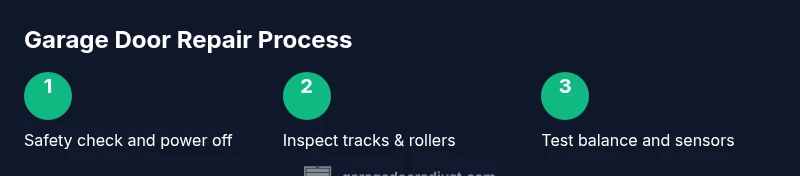
This section outlines a practical workflow you can follow in a typical garage service door scenario. Begin with safety: unplug the opener and secure the door in a fully closed position. Then perform a simple manual test to check balance and ease of movement. Inspect tracks and rollers for wear, debris, or deformation, and verify that tracks are straight and parallel. Check safety sensors for misalignment or obstruction and recalibrate as needed. Lubricate all moving parts and clean the tracks to remove built-up grime. Reconnect power and test the door with the opener, adjusting limit switches if the door stops too high or too low. If you discover damaged springs, cables, or severe track damage, contact a professional immediately. Throughout the process, document changes and re-test after each adjustment to ensure progress. This workflow helps homeowners isolate issues without overreaching into dangerous territory.
Installing a garage service door
Installing a new garage service door is a major project that involves precise measurements, sturdy mounting, and correct spring and track configuration. Start by confirming opening dimensions, door style (panel, insulated, or lightweight), and header clearance. Assemble tracks and rollers on the door sections on the ground, then raise the door into position while securing the track guides. Install springs and balance the system with extreme care; if you’re unsure of spring type, tension, or safety requirements, defer to a qualified installer. Finally, mount the opener and align it with the door, test auto-reverse sensors, and program remotes. Manufacturer instructions vary by model, and improper installation can create safety hazards and void warranties. If you’re not confident, choose professional installation to ensure safe operation and code compliance.
Routine maintenance and lubrication
Regular maintenance keeps a garage service door operating smoothly and quietly. Schedule lubrication and inspection at least twice a year, or more often in harsh climates. Clean tracks with a soft cloth to remove dirt and debris, and apply a light silicone spray or white lithium grease to rollers, hinges, and slow-moving components. Wipe away excess lubricant to prevent dust buildup, which can attract grime and create friction. Check weatherstripping for cracks or gaps and replace as needed to improve energy efficiency and prevent drafts. Finally, re-tighten mounting hardware and ensure doors remain balanced and on track. A simple maintenance routine can extend the life of the system and improve safety.
Safety reminders and common pitfalls
Always prioritize safety when working on a garage service door. Never attempt to adjust high-tension springs without proper training and equipment. Avoid using heavy oil on metal tracks, which can attract dust and lead to binding. Keep children and pets away from the workspace, and never place hands in the door’s hinge area while it is moving. If you notice frayed cables, cracked tracks, or a door that won’t balance even after adjustments, stop work and contact a professional. Document any changes and test the system thoroughly after each step to avoid surprises.
AUTHORITY SOURCES
For safety guidelines and best practices, consult these trusted sources:
- U.S. Consumer Product Safety Commission: https://www.cpsc.gov
- OSHA: https://www.osha.gov
- ENERGY STAR or DOE resources for insulated doors: https://www.energy.gov
Quick troubleshooting checklist
Use this quick checklist when diagnosing common issues: (1) unplug the opener and test manual operation, (2) inspect tracks and rollers for wear, (3) verify sensor alignment, (4) lubricate moving parts and clean tracks, (5) test with the opener and adjust limits, (6) check for spring or cable damage and call a pro if suspected.
Tools & Materials
- Safety glasses(ANSI Z87.1 or equivalent)
- Work gloves(Grip and protection)
- Sturdy ladder(Stable, tall enough to reach tracks)
- Wrench set(Common sizes; include adjustable wrench)
- Screwdrivers (flathead & Phillips)(Varied tip sizes)
- Socket set(For mounting hardware)
- Lubricant (silicone spray or white lithium grease)(Light, not sticky)
- Track cleaner / rag(Remove grime before lubrication)
- Torsion-spring winding bars(Only if trained; never DIY without proper safety)
- Weatherstripping (replacement)(Optional for energy efficiency)
Steps
Estimated time: 2-3 hours
- 1
Power down and secure the area
Power off the opener at the wall control and unplug the unit. Place the door in a fully closed position to avoid movement or pinching hazards. Clear pets and obstacles from underfoot and around the work zone.
Tip: Always test the door from the floor after changes to ensure no pinch hazards. - 2
Test manual balance and movement
Manually lift the door about halfway and note any resistance, sticking, or lurching. A balanced door should stay in place when released. If it drops or rises, more investigation into springs or balance is needed.
Tip: If the door feels heavy or binds, stop and reassess; improper balance can cause injury. - 3
Inspect tracks, rollers, and hinges
Look for dents, bending, misalignment, or loose mounting screws. Clean tracks with a cloth and ensure rollers rotate freely without binding. Tighten any loose hardware.
Tip: Keep tracks clean and aligned; small deviations can cause door derailment. - 4
Check safety sensors and wiring
Ensure sensors are aligned and free of obstructions. Clean the sensor faces and verify that the indicator lights are functioning as per the manufacturer’s instructions.
Tip: If the sensor beams are blocked or misaligned, the door may not reverse properly. - 5
Lubricate moving parts and clean tracks
Apply a light coat of silicone spray to rollers, hinges, and guide bushings. Wipe away excess lubricant to prevent dust buildup. Do not oversaturate the tracks.
Tip: Lubrication reduces wear and noise but too much can attract dirt. - 6
Test with the opener and adjust limits
Reconnect power and test the door with the opener. If it stops high or closes too fast, adjust the limit switches per the manual and re-test. Stand clear of the door’s path during testing.
Tip: Make gradual adjustments and test in short cycles to avoid abrupt movements. - 7
Assess springs and cables; call a pro for hazards
If you notice frayed cables, cracked tracks, or signs of spring damage, stop work immediately. High-tension components require professional handling.
Tip: Take photos of damaged parts for warranty or technician reference; never attempt to replace springs yourself.
Got Questions?
What is a garage service door and what does it do?
A garage service door is a heavy, insulated door that opens and closes on tracks, typically powered by an electric opener. It includes springs, cables, rollers, tracks, and safety sensors. This guide helps you diagnose common issues and perform safe maintenance.
A garage service door is a heavy, powered door that opens on tracks with springs and sensors. This guide helps you diagnose issues and maintain it safely.
Is it safe to adjust torsion springs yourself?
Adjusting torsion springs is dangerous and should only be done by trained professionals. Misadjustment can cause sudden door movement or injury. Always consult a pro for spring work.
Torsion springs are hazardous; don't adjust them yourself. Call a professional for spring work.
How do I know if my opener needs programming?
If the door responds inconsistently to remote or wall control, or the limits need recalibration, programming may be required. Follow your opener's manual or consult a technician.
If your opener is unreliable, programming might be needed. Check the manual or ask a pro.
What lubricant should I use on tracks and rollers?
Use a silicone-based lubricant or white lithium grease on steel tracks and rollers. Avoid heavy oil that attracts dust. Wipe away excess to prevent buildup.
Use silicone or white lithium grease on metal tracks, wipe away extra grease.
When should I call a professional for garage door issues?
Call a professional if you detect frayed cables, damaged tracks, broken springs, or if the door won’t balance even after adjustments. High-tension components are dangerous.
Call a pro for damaged springs or cables or persistent misalignment.
Can I install a new garage door myself?
Installing a new garage door is a complex project that typically requires professional tools and expertise. If you have experience and proper instructions, you may attempt specific non-structural tasks, but full installation is not recommended for DIY.
A full garage door install is not usually a DIY job; it’s safer to hire a pro.
Watch Video
Quick Summary
- Inspect safety features before any DIY repair
- Keep lubrication and tracks clean to reduce wear
- Never attempt high-tension spring work yourself
- Test door operation after adjustments
- Schedule annual checkups for a safe garage door