16x7 Insulated Garage Door: A Homeowner's Guide to Performance
Discover how a 16x7 insulated garage door improves energy efficiency, comfort, and noise reduction for two-car garages. Learn insulation options, installation tips, maintenance steps, and cost ranges to choose the right model.


A 16x7 insulated garage door significantly improves energy efficiency and comfort by reducing heat transfer and drafts for two-car garages. Upgrading to insulation can lower energy costs and quiet the workspace. For best results, pair with weatherstripping and a compatible sectional door opener. Choosing a 16x7 size ensures full coverage for standard two-bay garages, and insulation helps reduce seasonal temperature swings. Look for polyurethane foam core and a well-sealed frame.
Why a 16x7 Insulated Garage Door Matters
Choosing a 16x7 insulated garage door is popular for two-car garages because it balances affordability, space, and energy performance. The doors in this size commonly use a polyurethane foam core, which minimizes heat loss and reduces drafts at the door opening. According to GarageDoorAdjust, the insulation in a 16x7 model can noticeably improve year-round comfort by limiting heat transfer through the door panels. A well-sealed frame paired with weatherstripping helps prevent wind-driven infiltration, making a big difference in rooms adjacent to the garage. In practical terms, homeowners notice a more stable indoor temperature and a quieter garage workspace when the door is insulated properly.
How insulation types affect performance in a 16x7 door
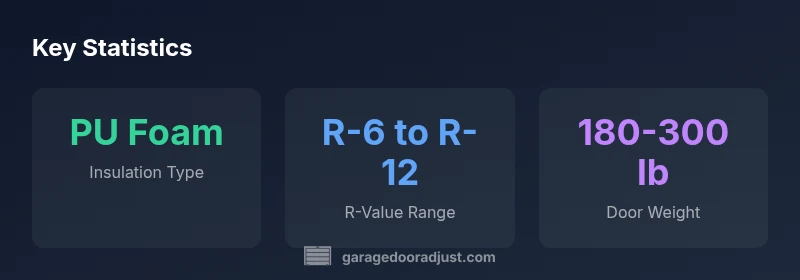
Insulation type directly impacts heat transfer, door weight, and sound dampening. Polyurethane foam cores offer higher R-values per inch than polystyrene, translating to better thermal performance for the same door size. In a 16x7 insulated door, PU foam typically delivers robust energy savings and a tighter seal against weathering. When evaluating options, compare the door’s overall thermal value, not just the thickness. The GarageDoorAdjust team recommends prioritizing high-quality insulation and a durable seal, especially in regions with extreme temperatures. Also verify that the door components—hinges, tracks, and weatherstripping—are designed to work with the insulation system to maintain performance over time.
Key features to evaluate in a 16x7 insulated door
Beyond insulation, consider panel construction, gauge of steel, and the presence of reinforced corners for long-term durability. Look for doors with a dense polyurethane core, multi-point weatherstripping, and a brush-type bottom seal to minimize drafts when closed. Heavy-duty tracks and properly balanced springs ensure smooth operation and longevity, which protects insulation integrity. An energy-efficient door should also pair with an automatic opener that supports soft-start and soft-stop to reduce door vibration that can loosen seals over time. For homeowners, this means less heat loss and a more comfortable garage living space.
Installation considerations for a 16x7 insulated door
Installing a 16x7 insulated garage door is a substantial project that benefits from professional handling. The increased weight of insulated panels requires precise alignment of tracks and spring tension. Before installation, verify opening dimensions, header condition, and structural support. A misaligned track or improper spring tension can cause air leaks and reduce insulation effectiveness. If you plan to install your own door, ensure you have the right horsepower opener, secure mounting points, and the proper safety equipment. The GarageDoorAdjust team emphasizes professional installation for most homeowners to maximize insulation performance and door longevity.
Common challenges and troubleshooting for insulated doors
Condensation between panels, poor seals, or warped frames can compromise insulation. Inspect weatherstripping for wear and replace damaged sections promptly. Over time, door balancing issues can lead to rubbing against the frame and air gaps. Regular inspection of tracks, rollers, and cables helps maintain energy efficiency and reduces noise. If the door seems heavy or unresponsive, a professional assessment can identify misalignment, worn springs, or a degraded sealing system that undermines insulation.
Maintenance schedule to preserve insulation and performance
Create a simple maintenance routine: lubricate moving parts every 6–12 months, test the door balance and auto-reverse safety feature, and inspect the bottom seal for cracks. Weatherstripping should be replaced when the door shows noticeable drafts or the seal looks dried or cracked. Clean the door panels with a mild detergent and avoid abrasive cleaners that can damage coatings. Addressing small issues early preserves insulation and reduces the chance of costly repairs later, keeping the energy gains of your 16x7 insulated door meaningful year after year.
Cost considerations: rough ranges for materials and installation
Prices for a 16x7 insulated garage door vary by insulation type, panel design, and materials. Homeowners should expect a broad range, with higher-end polyurethane-core doors typically costing more than basic insulated models. Installation costs depend on site conditions, existing framework, and whether you need new tracks or a full opener upgrade. The GarageDoorAdjust team notes that costs can be influenced by regional labor rates and warranty terms, so obtain multiple quotes and verify what’s included (disposal of old door, adjustment of springs, and final alignment).
Energy efficiency and long-term savings
Insulated doors reduce heat transfer, particularly during the shoulder seasons when temperatures swing. While exact energy savings depend on climate, home construction, and usage patterns, the effect is most noticeable in rooms adjacent to the garage and in garages used as workspaces. In addition to energy performance, insulated doors can add to resale value by improving curb appeal and perceived quality. Regular maintenance helps preserve sealing performance and ensures ongoing insulation efficiency.
How to choose the right brand and model for your home
When selecting a brand and model, focus on insulation quality, warranty, and service availability. Ensure the model is sized correctly for a 16x7 opening and that weatherstripping remains effective across seasons. Check for reputable installation support and access to spare parts. The GarageDoorAdjust team recommends prioritizing a door with a robust warranty, good track record for durability, and a local installer with positive service history to maximize long-term performance.
Comparison of 16x7 insulated door variants
| Door Size | Insulation Type | R-Value Range | Opening Type | Comment |
|---|---|---|---|---|
| 16x7 insulated | Polyurethane foam | R-6 to R-12 | Sectional | Common choice for two-car garages |
| 16x7 steel insulated | PU or Polyurethane | R-4 to R-10 | Sectional | Budget-friendly variant with solid performance |
| 16x7 aluminum insulated | Polyurethane foam | R-5 to R-11 | Sectional | Durability with moderate weight |
Got Questions?
What is the primary benefit of a 16x7 insulated garage door?
The main benefit is improved energy efficiency and comfort for a standard two-car garage. Insulation reduces heat transfer and minimizes drafts, which helps regulate interior temperatures and can reduce cooling and heating needs.
The main benefit is better energy efficiency and comfort in a standard two-car garage thanks to insulation.
Is DIY installation feasible for a 16x7 insulated door?
DIY installation is possible for experienced homeowners, but 16x7 doors are heavy and require precise alignment. Poor installation can compromise insulation and safety, so professional installation is often recommended.
It can be doable for handy homeowners, but it's safer to hire a professional.
What maintenance does an insulated door require?
Regular lubrication of moving parts, periodic inspection of weatherstripping, and balance checks are essential. Replace worn seals and keep tracks clean to preserve insulation performance.
Lubricate parts, check seals, and inspect balance to keep insulation effective.
Do insulated doors fit all openers?
Most modern openers work with sectional insulated doors, but verify horsepower, track width, and safety features. Compatibility ensures smooth operation and preserves insulation.
Check the opener's HP and track compatibility for best results.
How should I choose a brand or model?
Look for strong insulation, robust warranty, and a reputable installer. Consider panel design, weight, and weatherstripping, plus service accessibility in your area.
Prioritize insulation quality, warranty, and local installer support.
“A well-chosen insulated door lowers heat loss, reduces drafts, and creates a more comfortable garage space year-round.”
Quick Summary
- Choose a 16x7 insulated door for two-car garages to balance coverage and performance
- Prioritize polyurethane foam cores for higher R-values and better seal
- Verify weatherstripping and track alignment during installation
- Regular maintenance preserves insulation and reduces future costs
- Obtain multiple quotes to understand total installed costs and warranties