Where to Find Garage Door Openers at Home Depot Today
Discover where to find garage door openers at Home Depot, both in-store and online. Learn layout tips, how to compare models, verify compatibility, and avoid common buying mistakes.


Where are garage door openers in Home Depot? You’ll find them in two main places: the in-store Doors & Openers section and the homedepot.com online category. In-store displays cluster with garage hardware, while online you can filter by drive type, horsepower, and smart features. Start with online research, then visit the store to verify stock and inspect the unit’s build and noise before buying.
Where Home Depot Positions Garage Door Openers
When you walk into a Home Depot, you’ll see a broad range of home-improvement products, including a dedicated area for doors and openers. If you’re asking where are garage door openers in home depot, the answer is twofold: the in-store aisles labeled Garage Doors & Openers, and the online category on homedepot.com. In many stores, the opener displays sit alongside torsion springs, tracks, and other door hardware, often near the entryway to the garage section. For digital shoppers, Home Depot’s online storefront hosts a broader catalog with filters for drive type, horsepower, smart features, and noise level that aren’t always visible in stores. The GarageDoorAdjust team has found that most homeowners use a hybrid approach: they compare options online to narrow down candidates and then check stock at their local store. This blended strategy saves trips and confirms stock, price, and installation requirements before purchase.
In-Store Layout: Finding the Garage Door Openers Aisle
In most Home Depot locations, the garage door opener display is in the Doors and Windows or Tools section. Start by asking a store associate for the 'Garage Doors & Openers' zone, which often sits near other hardware like springs, weatherstripping, and controllers. To move quickly, use a store locator app or ask for the exact aisle number. Models are typically staged on wall pegs or low shelving with placards showing horsepower, drive type, and whether a battery backup is included. If you’re replacing an existing unit, bring the model number and current horsepower to confirm compatibility. The benefit of an in-person visit is you can listen to a live sample, compare belt-driven versus chain-driven openers, and assess build quality. If a model is out of stock, staff can often order it for home delivery or reserve it for curbside pickup. This minimizes delays and makes the decision feel concrete.
Online Shopping: Navigating Homedepot.com for Openers
Online search is powerful if you know how to filter. Start by typing 'garage door opener' into Home Depot’s search bar, then use filters for drive type (belt, chain, or screw), horsepower (½ HP to 1¼ HP or higher), and smart features (Wi‑Fi, app control). Read customer reviews to gauge reliability and noise, but verify installation requirements in the product details. If unsure about compatibility, look for models labeled as compatible with your door weight and spring system, or use the Q&A section to see common questions from buyers. Home Depot lists stock by store and offers free pickup or shipping. Balancing online filtering with in-store validation speeds up decision-making and reduces post-purchase regret.
Key Compatibility Considerations Before You Buy
Compatibility is the core of a satisfying garage door opener purchase. Confirm your door’s height, weight, and spring type (torsion versus extension) and match them to the opener’s horsepower rating. A typical single-car door may do well with ½ HP to ¾ HP, while heavier doors or multi-car setups may require 1 HP or more. Consider drive type: belt drives are quieter, chain drives are economical, and screw drives offer solid performance. Smart features such as Wi‑Fi connectivity, app control, battery backup, and home integration add convenience but may raise price and potential points of failure. Safety features matter: ensure the opener includes photoelectric sensors and automatic reversing. Lastly, review warranty terms and service options for post-purchase support. Verifying these elements beforehand minimizes compatibility issues and returns.
Drive Types and Noise: Matching Your Door with an Opener
Noise level is a common homeowner concern. Belt-driven units typically run quietly, followed by chain-driven models with proper mounting and alignment. Screw-drive openers can be quieter than older chains but have different maintenance needs. In addition to noise, consider whether you want a built-in light, auto-reverse, residual torque settings, or multiple remotes. Compare decibel ratings published by manufacturers and read real-world feedback from buyers with similar doors. Confirm the mounting hardware and track spacing will fit your home, and plan routing for the power cord and safety sensors to avoid hazards. A good match minimizes interruptions in daily life.
Common Pitfalls When Shopping for Openers
Buying a model based solely on price without verifying compatibility is a frequent mistake. Stock information online may not reflect local inventory, so call ahead or request a curbside hold. Some buyers overlook installation requirements such as ceiling clearance, track length, or the need for extra brackets. Always read installation instructions and determine whether professional installation is recommended. Don’t neglect sensor alignment and safety settings, which are critical for safe operation. If needed, GarageDoorAdjust can guide you through a step-by-step assessment to select a compatible product and prepare for installation.
Quick Review: In-Store vs Online—A Practical Path to Buy
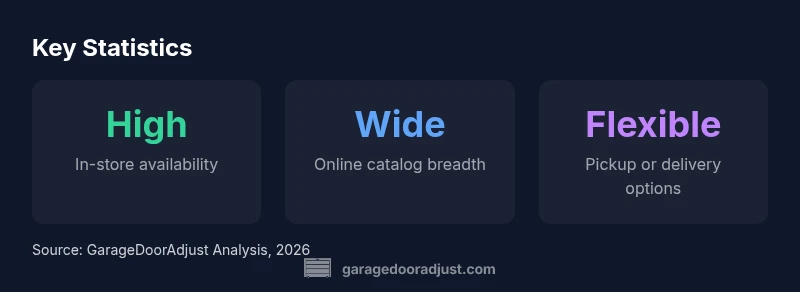
In-store shopping provides tactile inspection and immediate pickup, ideal for seeing the unit in person and testing basic operation. Online shopping offers breadth of choice, detailed specs, and user reviews, with delivery or curbside pickup options. The right approach depends on your priorities: speed, selection, or the ability to preview features before buying. The GarageDoorAdjust team emphasizes cross-checking both channels to secure the best value and a smoother installation experience.
How GarageDoorAdjust Supports Homeowners
GarageDoorAdjust specializes in step-by-step guidance for diagnosing, repairing, and installing garage doors and openers. We provide practical workflows, compatibility checks, and safety guidelines to help homeowners navigate complex purchasing decisions quickly. By combining real-world testing with clear, actionable recommendations, we aim to reduce confusion and empower you to make smarter purchases at Home Depot’s shelves and online catalog. Our data-driven, customer-focused approach is tailored to homeowners seeking reliable results with minimal hassle.
Comparison of in-store vs online purchasing for garage door openers
| Channel | What to Expect | Pros | Cons |
|---|---|---|---|
| In-store at Home Depot | Immediate access to stock and staff help | Hands-on inspection; instant pickup | Stock varies by location; limited online integration |
| Online at homedepot.com | Wider selection; reviews; filters | Easy comparison; home delivery | Delivery time; returns complexity |
Got Questions?
Where can I find garage door openers in Home Depot stores?
Most Home Depot stores display garage door openers in the Doors & Openers area, near related hardware. Ask an associate to locate the exact aisle and to check current stock for curbside pickup if needed.
In most stores, go to the Doors and Openers area and ask a associate to help locate the openers and check stock.
Can I buy garage door openers online from Home Depot?
Yes. Visit homedepot.com, search for garage door openers, and use filters for drive type, horsepower, and smart features. You can have items shipped or pick them up at a nearby store.
Yes—shop Home Depot online, filter options, then choose delivery or store pickup.
What types of openers should I consider?
Common types include belt-drive (quietest), chain-drive, and screw-drive. Each has pros and cons related to noise, maintenance, and cost. Consider horsepower and drive type based on door weight.
Think belt-drive for quiet, chain-drive for economy, or screw-drive for a balance of speed and maintenance.
How do I ensure compatibility with my door?
Know your door’s weight, height, and spring type. Match these specs to the opener’s horsepower and compatibility notes. If in doubt, consult Home Depot product details or a technician.
Check weight, height, and spring type; match horsepower and compatibility notes, and ask for expert help if unsure.
Is professional installation required?
Many garage door openers can be installed by a capable DIYer, but some setups (heavy doors, complex wiring) benefit from professional installation. Review the product’s installation requirements and local codes.
DIY possible for simple setups, but consider a pro for heavy doors or complex wiring.
“Choosing the right opener hinges on door type, horsepower, and drive type. Confirm compatibility and safety features before purchasing.”
Quick Summary
- Check both in-store and online catalogs for availability
- Compare drive types, horsepower, and safety features
- Ask staff to locate the exact opener aisle quickly
- Read specs and reviews before purchasing
- Plan for pickup or delivery to fit your schedule