How to Find and Hire Garage Roller Doors Near Me
Learn how to locate reputable garage roller doors near you, compare quotes, verify licenses, and schedule a safe installation with practical steps and checklists for homeowners.


According to GarageDoorAdjust, your first step is to identify reliable local options for garage roller doors near you, compare quotes, and verify licensing. By measuring opening dimensions, evaluating manual vs. motorized options, and reading local reviews, you can confidently choose a reputable installer today online.
Why local options matter for garage roller doors near me
Finding garage roller doors near me isn’t just about buying a door; it’s about partnering with a local installer who can support measurements, fittings, and after-sales service. Local providers understand area codes, weather conditions, and common installation challenges, which translates to quicker site visits, faster parts availability, and more accurate warranty coverage. When you search for local options, you’re more likely to find technicians who can respond promptly to service calls and provide ongoing maintenance. As you compare options, prioritize nearby contractors who offer transparent pricing and visible references. This approach minimizes travel time, reduces disruption to your routine, and strengthens accountability when problems arise. According to GarageDoorAdjust, starting with a nearby, reputable installer helps you avoid scams and speeds up the entire process. Keep proximity in mind for scheduling, support, and long-term reliability, especially if the door is on your primary garage.
Local familiarity also means installers can tailor recommendations to your climate, door size, and usage. If your garage is attached to the home, energy efficiency and noise levels matter; a nearby pro can advise on insulation, weather-stripping, and sound-damping hardware based on real neighborhood conditions. Finally, choosing a local expert often provides greater flexibility for quotes and negotiations, which is valuable when you need a quick turn-around or want to synchronize with other home projects.
What features matter in garage roller doors and why they impact nearby options
Garage roller doors come in varied materials, profiles, and insulation levels, but certain features should guide your choice and steer you toward reputable local installers. First, insulation quality matters for energy efficiency and comfort, especially in attached garages. Look for sectional steel or aluminum doors with polyurethane cores and weather seals around the frame. Wind resistance and safety features like touch-safe sensors, automatic reverse, and sturdy tracks reduce risk and improve reliability. Hardware quality, including springs, rollers, and guides, determines lifespan and noise profile. Check for rust-resistant coatings, powder finishes, and corrosion protection if you live near the coast or in humid areas. If motorized operation is desired, verify compatibility with common openers and smart-home systems. Finally, review warranty terms for door panels, springs, tracks, and motors. A solid warranty protects your investment as local service networks handle repairs quickly, which is especially important when you search for garage roller doors near me and want ongoing support. When you balance price with these features, you’ll position yourself to choose a door that lasts and behaves predictably in daily use.
Assessing installers: licenses, warranties, and service area
Evaluating local installers requires a structured checklist. Start by confirming that each contractor holds a valid state or local contractor license where required, and request proof of general liability and workers’ compensation insurance. Ask about manufacturer certifications or training from door brands; qualified technicians are often certified to install and service specific systems, which reduces risk. Warranties should clearly cover door panels, springs, tracks, and the motor or opener, with explicit terms for parts and labor and an expected duration. Service area is critical: verify they service your neighborhood and any other properties you own within a reasonable radius. Inquire about response times for repairs, especially if you rely on your garage daily. Finally, read recent client reviews and obtain references. A trustworthy local installer should demonstrate punctuality, transparent quotes, and robust communication. The GarageDoorAdjust approach emphasizes license verification, insurance coverage, and reliable service territory before you sign.
Note: Always request copies of licenses and insurance documents before agreeing to work. This proactive step protects you and your home during the project.
Measuring your opening accurately and selecting the right door
Precise measurements prevent installation delays and ensure the door fits smoothly into the opening. Start by measuring the width at three points across the doorway (inside jamb, middle, and outside jamb) and record the widest measurement. Do the same for height from the floor to the head frame at several points and use the smallest height that fits all three measurements. Check headroom (space above the door) and jamb depth to confirm the door type will clear the ceiling or garage structure when opening and closing. Note any obstructions such as weatherstripping, protruding molding, or vents that could affect hardware fit. If you’re replacing a door, measure the tracks, anchor points, and the current opener’s compatibility. Share these precise numbers with your installer for accurate quotes and to avoid order delays. For best results, take photos of the existing setup and bring them to the site visit; this helps the installer plan the fit and highlights any unusual constraints. With accurate measurements, you’ll choose the right door profile, insulation level, and panel design for your space.
Tip: Always measure twice and communicate all irregularities to the installer to avoid back-and-forth reworks.
Understanding installation timelines and site preparation
A typical project involves several coordinated steps, and your local installer will guide you through the schedule. Expect a site assessment, removal of the old door, rail and track alignment, and wiring for a motorized opener if included. Pre-install tasks include clearing the garage interior of obstacles, ensuring electricity access, and turning off power to the current system if needed. The installation crew may need access to exterior walls and the interior ceiling for mounting hardware and anchors. Timelines depend on door type, weather, and the installer’s backlog; plan for a window that allows for ordering, delivery, and on-site assembly. If you share measurements and approved options upfront, you reduce the risk of delay. After installation, the team will test opening and closing cycles, calibrate safety sensors, and review operation with you. Understanding these steps helps set realistic expectations and ensures the process runs smoothly in your region.
Pros tip: request a written schedule with milestones, so you know when to expect site visits, delivery, and final testing.
Maintenance routines to extend life and safety
Ongoing maintenance keeps roller doors operating smoothly and safely. Schedule lubrication every 6–12 months for tracks, hinges, rollers, and springs using a silicone-based or garage-door-specific lubricant. Clean tracks with a soft brush to remove dust and debris; inspect weatherstripping for wear and replace as needed. Check the door balance by testing the opener’s force settings and listening for unusual squeaks or grinding; contact a pro if you notice abnormal sounds. For safety, test auto-reverse and edge sensors monthly to ensure they function correctly. If you have a motorized opener, replace batteries and update remote codes to prevent interference. Finally, inspect the external door skin for dents or corrosion that could compromise structural integrity and call your installer for any repairs under warranty. Routine care reduces likelihood of expensive repairs and preserves insulation performance, a benefit highlighted in GarageDoorAdjust guidance on long-term maintenance.
Budgeting: costs, quotes, and value over time
Homeowners frequently ask about pricing when shopping for garage roller doors near me. While exact costs vary by door material, insulation level, size, and whether you add an opener, the best approach is to collect multiple quotes and compare what’s included. Look beyond upfront price and examine what each quote covers: installation labor, warranty terms, removal of the old door, and any disposal fees. A higher initial price may deliver longer-term savings through better insulation, quieter operation, and stronger warranties. Consider total cost of ownership, including maintenance, parts replacement, and potential energy savings from improved insulation. The goal is to maximize value, not just minimize price. The GarageDoorAdjust analysis shows that homeowners who obtain three quotes and read warranty terms tend to make more informed, lower-risk decisions and achieve better post-install support. Plan for a contingency in your budget for potential upgrades or modifications identified during site visits.
Tip: Ask installers to provide a side-by-side comparison chart so you can easily see differences in materials, insulation, and warranty coverage.
Steps to book and confirm service
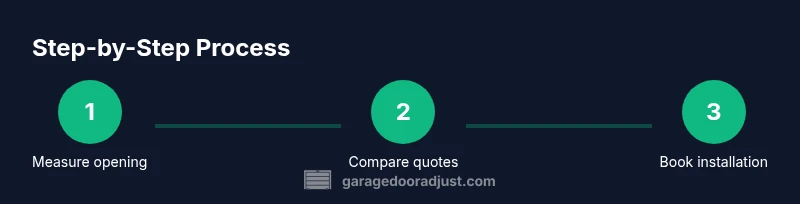
When you’re ready to move from planning to action, follow a simple booking sequence to secure your installation. First, reconfirm measurements and requested options with the installer. Next, obtain written quotes and review terms, focusing on warranty coverage and service scope. Then, verify licensing, insurance, and service area before scheduling a site visit. On the visit day, prepare the garage by clearing space and ensuring access to power if a motorized opener is included. After installation, verify that all safety sensors work and that the door operates smoothly across full travel range. Finally, collect all warranty documents and keep the installer’s contact information for future adjustments or repairs. A well-organized booking process saves time and reduces friction, helping you achieve a reliable, properly installed roller door close to home.
Tools & Materials
- Measuring tape (min 25 ft)(For accurate width/height measurements at multiple points)
- Notebook or digital device(Record measurements, quotes, and contact details)
- Ladder(Access high mounting points and tracks safely)
- Gloves and safety glasses(Personal protective equipment for site visits)
- Camera or smartphone(Capture opening condition and references)
- Utility flashlight(Inspect dark corners of the opening and tracks)
Steps
Estimated time: 2-4 weeks
- 1
Take precise opening measurements
Use a tape measure to record width at three points and the tallest height available. Note any obstructions or irregularities that could affect fit. Double-check measurements and keep photos for reference.
Tip: Measure at least three times from floor to top and across the width to confirm consistency. - 2
Request quotes from three local installers
Contact at least three nearby providers and request detailed, written estimates that include labor, materials, disposal, and warranty terms. Compare each quote side-by-side to identify value.
Tip: Ask for a sample contract to review warranty scope before signing. - 3
Verify licenses and insurance
Ask for license numbers and proof of general liability and workers’ compensation insurance. Confirm they are current and valid for your area.
Tip: If a contractor hesitates to share proof, move on to another provider. - 4
Choose door options and finalize specifications
Select material, insulation level, color, panel design, and whether you want a motorized opener. Ensure compatibility with existing electrical and space constraints.
Tip: Request a written specification sheet from the installer. - 5
Schedule site visit and confirm access
Arrange the visit during daylight, ensure the garage is accessible, and blue-print any electrical or external access needs. Get a firm date and expected start time.
Tip: Provide the installer with any gate codes or access instructions ahead of time. - 6
Prepare the site for installation
Clear space inside and outside the garage, remove vehicles, and ensure there’s room for lifting equipment. Confirm power supply if you’re installing a motorized opener.
Tip: Disconnect any non-essential devices from the area to avoid interference. - 7
Oversee installation and safety checks
Watch the setup as tracks, springs, and mounting points are installed. Confirm safety features (sensors, auto-reverse) function after setup.
Tip: Ask the installer to demonstrate the door in multiple positions and speeds. - 8
Agree on warranty paperwork and aftercare
Receive all warranty certificates and maintenance guidelines. Save installer contact details for future services and scheduling.
Tip: Keep a digital copy of all documents in a dedicated home improvement folder.
Got Questions?
How can I find reliable garage roller door installers near me?
Start with local search results and neighborhood recommendations. Look for installers who publish licenses, show references, and offer clear warranty terms. Request quotes from at least three providers to compare service quality and scheduling.
Look for licensed, well-reviewed local installers and compare three quotes to compare service quality and timelines.
What licenses and insurance should a door installer have?
A reputable installer should have a valid contractor license where required and carry general liability and workers’ compensation insurance. Ask for proof and verify with the issuing agency.
Ensure they provide proof of a valid license and insurance before work begins.
How long does installation usually take?
Typical installation spans a few hours for a standard door, plus scheduling lead time for delivery. If motorized openers are included, allow additional time for wiring and calibration.
Most installations are completed in a few hours, with extra time if wiring a motor.
Is it safe to install a roller door myself?
Installing a roller door involves heavy components and high-tailure springs. Unless you’re trained, it’s safer to hire a professional to avoid serious injury.
No—this job is best left to professionals due to risk of injury and damage.
What maintenance is required after installation?
Keep tracks clean, lubricate moving parts periodically, test safety sensors, and inspect weather seals. Schedule annual check-ups with your installer to sustain performance.
Regular lubrication and sensor tests keep the door safe and quiet.
How do I compare warranty terms effectively?
Look for coverage on panels, springs, tracks, and opener. Compare duration, what’s excluded, and who handles service. A stronger warranty often reflects longer-lasting parts and better support.
Compare what each warranty covers and for how long to gauge true value.
Watch Video
Quick Summary
- Identify at least three local installers to compare options.
- Verify licenses, insurance, and service areas before signing.
- Measure opening accurately and document all details clearly.
- Get written warranties and review what they cover for parts and labor.
- Plan a site visit and confirm a realistic installation timeline.