Frosted Glass Garage Door: Installation and Care
A complete how-to for diagnosing, installing, and maintaining a frosted glass garage door with safe, practical guidance from GarageDoorAdjust for homeowners.


A frosted glass garage door can balance privacy with daylight, improve curb appeal, and reduce glare while letting in natural light. This guide outlines installation, maintenance, and common troubleshooting steps homeowners can perform safely, with clear safety notes and brand-backed best practices.
Frosted Glass Garage Door: Benefits and Initial Considerations
A frosted glass garage door offers a modern aesthetic by diffusing daylight while preserving privacy. For homes that want natural light without visible activity from outside, frosted panels are a popular choice. According to GarageDoorAdjust, the combination of diffused light and a contemporary look can boost curb appeal without sacrificing security. When selecting a frosted glass door, consider panel thickness, the frame material, and whether the door is insulated. Insulated frosted glass panels help reduce heat transfer and can improve energy efficiency in colder climates, though the best choice depends on climate, door size, and daily usage patterns. In this section we’ll cover design options, frame materials, and how to balance light, privacy, and durability. The goal is to help you pick a configuration that matches your home style and your local weather while keeping operation smooth and safe.
Frosted Glass and Privacy vs. Light Diffusion
The frosted finish on glass diffuses light to reduce glare and obscure interior activity. This can be a practical feature for spaces where you want daylight but don’t want a full view of the interior. For homeowners, the visual softness of frosted glass also reduces the appearance of fingerprints and dust compared with clear glass. As you weigh options, compare panel patterns (acid-etched, sandblasted, or matte frosted) and panel thickness. Thicker panels tend to feel sturdier and can improve insulation, but they may require stronger hardware or mounting considerations. The design choice should harmonize with your home’s exterior colors and architectural lines, so the door looks like a cohesive element rather than a standalone feature.
Safety and Handling Considerations
Glass is heavier than many alternative door materials, and frosted glass panels require careful handling. Before beginning any project, ensure the power to the door opener is disconnected to prevent accidental movement. Wear protective gloves and safety glasses, and use proper lifting equipment or a helper for heavy panels. Inspect the door’s tracks, hinges, and springs for wear before removing or replacing panels. If you notice frayed cables or bent tracks, stop and consult a professional. This is especially important for larger doors where misalignment can cause binding, sudden shifts, or broken glass.
Energy Efficiency and Weather Sealing
Frosted glass can be combined with insulated frames and gaskets to reduce heat loss. If your climate experiences cold winters or hot summers, look for doors with insulated frames and low-emissivity (low-E) coatings on the glass. Weather stripping around the door helps seal gaps that can admit drafts. Proper sealing reduces drafts and wind-driven rain infiltration, which can extend the life of the door components and improve comfort in the garage. Remember that proper installation is key to long-term performance; poor sealing can offset any energy benefits from the glass.
Cleaning and Maintenance Practices
Dust, fingerprints, and mineral deposits can accumulate on frosted glass panels. Use a non-abrasive glass cleaner and a soft microfiber cloth to wipe the surface. Avoid ammonia-based cleaners on certain coatings, and always test a small area first. For exterior panels, rinse with water first to remove loose dirt, then wipe in a circular motion. Inspect seals and weatherstripping quarterly and replace worn gaskets promptly. Regular maintenance extends panel life and keeps the door operating smoothly.
Common Issues and Troubleshooting
If the door appears unbalanced or tracks are misaligned, the door may drift, bind, or squeak. Check tension springs and cables for wear, and verify that rollers run freely in the tracks. If you notice cracks or chips in frost-coated panels, stop using the door and consult a professional—glass repair involves safety risks. For energy performance, ensure seals are contacting the frame evenly; gaps indicate weatherstripping wear. Remember, for many frost glass installations, professional inspection is advised if you’re not confident performing these steps.
Observations on Durability and Longevity
Frosted glass panels are durable when tempered or laminated and installed correctly. The door’s longevity depends on the quality of glass, frame materials, and how well the seals resist weather. The GarageDoorAdjust team emphasizes that, while frosted glass is attractive, maintaining proper seals and periodic inspections is essential for preventing water intrusion and heat loss. Choosing reputable manufacturers and installers helps ensure long service life while maintaining aesthetic appeal.
Tools & Materials
- Ladder or step stool(Stable and tall enough for reach)
- Safety glasses and work gloves(Protect eyes and hands during cutting and handling)
- Tape measure(Measure door openings accurately)
- Cordless drill with bits(For fasteners and panel mounting)
- Screwdrivers (Phillips and flathead)(General fastener adjustments)
- Caulk gun and neutral-cure silicone sealant(Seal edges after panel installation)
- Weatherstripping (PVC/EPDM)(Seal gaps around door frame)
- Glass cleaner and microfiber cloth(Clean frosted panels without streaks)
- Putty knife or plastic scraper(Gently loosen glazing if needed)
- Level and C-clamps(Ensure panels sit true and secure)
- Safety line or rope(Auxiliary support for heavy panels)
Steps
Estimated time: 3-6 hours
- 1
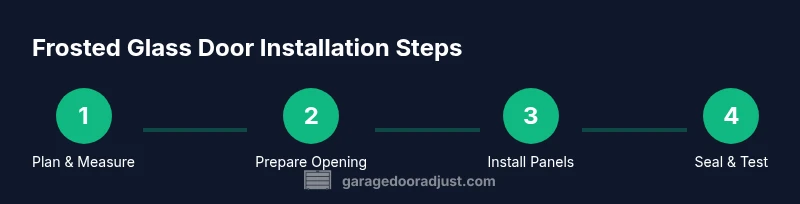
Assess safety and plan
Disconnect the door opener to prevent movement during work. Put on safety glasses and gloves, then inspect tracks, hinges, and springs for wear. Plan the layout and confirm panel dimensions before removing any components.
Tip: Always have a second person assist when dealing with heavy glass panels to prevent injuries. - 2
Measure door opening and panel dimensions
Use a tape measure to verify the opening height, width, and any irregularities in the frame. Compare these measurements to the frosted glass panels you’ll install to ensure a proper fit.
Tip: Record measurements in multiple spots (top, middle, bottom) to catch any variation. - 3
Prepare door opening
If replacing panels, carefully remove existing glass and set aside. Clean the frame and remove debris. Check for damaged weatherstripping and replace it if needed.
Tip: Work slowly to avoid scratching adjacent frames or glazing. - 4
Install frosted glass panels
Fit the new frosted glass panels into the frame, ensuring proper alignment with tracks. Secure panels with appropriate fasteners and verify that they seat evenly.
Tip: Use a helper to hold panels while you secure them to avoid slips. - 5
Seal edges and install weatherstripping
Apply neutral-cure silicone along edges, then install weatherstripping to seal gaps. Wipe away excess sealant before it cures. Allow sealant to cure per manufacturer guidelines.
Tip: Work in a well-ventilated area and avoid kneeling on newly sealed surfaces. - 6
Reassemble tracks and balance test
Reattach tracks and ensure rollers glide without binding. Test door balance by lowering halfway and letting it stay; adjust springs or tension if needed, following safety protocols.
Tip: Never adjust springs without professional guidance; incorrect tension can cause injury. - 7
Test operation and finalize
Reconnect the opener if used and run through a full cycle, including auto-reverse safety. Check for leaks, squeaks, or misalignment and address as needed. Clean up tools and inspect for any glass shards.
Tip: Record observations and schedule a follow-up inspection if anything feels off.
Got Questions?
What is a frosted glass garage door?
A frosted glass garage door uses glass panels with a frosted finish to diffuse light and provide privacy. The appearance is modern and reduces glare while allowing daylight to enter the garage.
A frosted glass garage door uses frosted glass panels to diffuse light and maintain privacy, giving a modern look while letting daylight in.
Are frosted glass doors energy efficient?
Insulated frosted glass doors can improve energy efficiency by reducing heat transfer. The overall performance depends on panel thickness, frame insulation, and proper sealing of the frame.
Insulated frosted glass doors can help with energy efficiency, but it depends on the panel thickness, frame insulation, and sealing.
Can I install frosted glass panels myself?
DIY installation is possible for experienced homeowners with the right tools and safety precautions. Heavy panels and door mechanisms pose significant risks, so consider professional help for large doors or unfamiliar steps.
You can attempt DIY if you’re comfortable with heavy glass and door mechanisms, but for large doors, professional help is wise.
How do I clean frosted glass panels without streaks?
Use a non-abrasive glass cleaner and a soft microfiber cloth. Avoid harsh chemicals on certain frosted finishes and wipe with the grain of the glass to minimize streaks.
Clean with a soft cloth and glass cleaner, avoiding harsh chemicals to prevent streaks on frosted surfaces.
What maintenance is needed for frosted glass doors?
Regularly inspect seals, tracks, and rollers. Clean panels as needed and watch for signs of wear or weather damage. Address issues early to prevent bigger repairs.
Inspect seals and tracks routinely, keep panels clean, and address wear early to avoid costly repairs.
What safety precautions should I take with glass doors?
Always disconnect the door opener when working on the door. Wear protective gear and never stand under a door when performing adjustments.
Disconnect power, wear safety gear, and never work under a moving door.
Watch Video
Quick Summary
- Plan safety-first before starting any frost glass installation.
- Choose the frosted finish and insulation that fit your climate.
- Seal edges well to maximize energy efficiency and durability.
- Regularly inspect tracks, seals, and panels for wear.
- Consult professionals for heavy or high-risk steps.